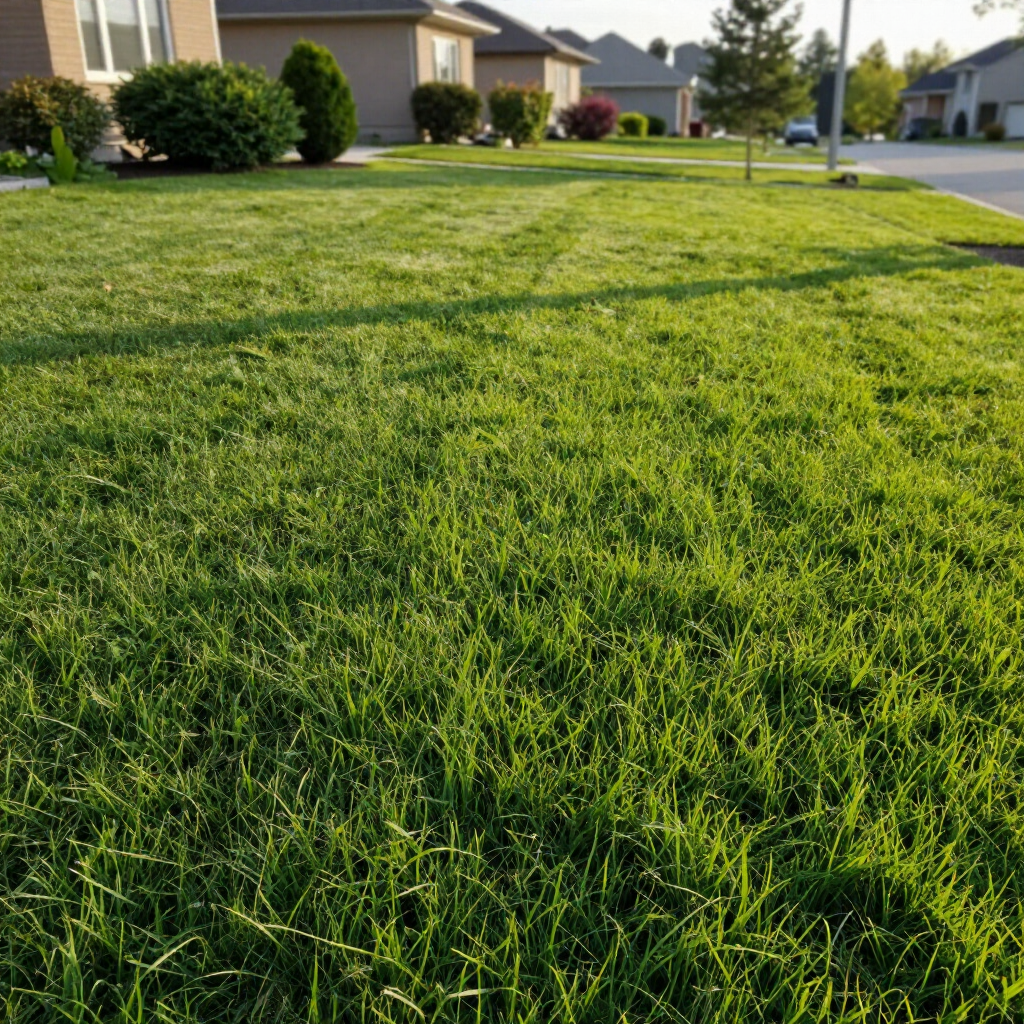
Sodding vs. Seeding: Which Is Best for Your Lawn?
When you’re ready for a new lawn, the biggest decision is usually sod or seed . Both can produce a thick, healthy yard, but they get there in very different ways. Your timeline, budget, site conditions, and how soon you want to use the space all matter. In this guide, we’ll break down the pros, cons, and best-use scenarios for each approach—so you can choose the method that fits your property and expectations.
1. What’s the difference between sodding and seeding?
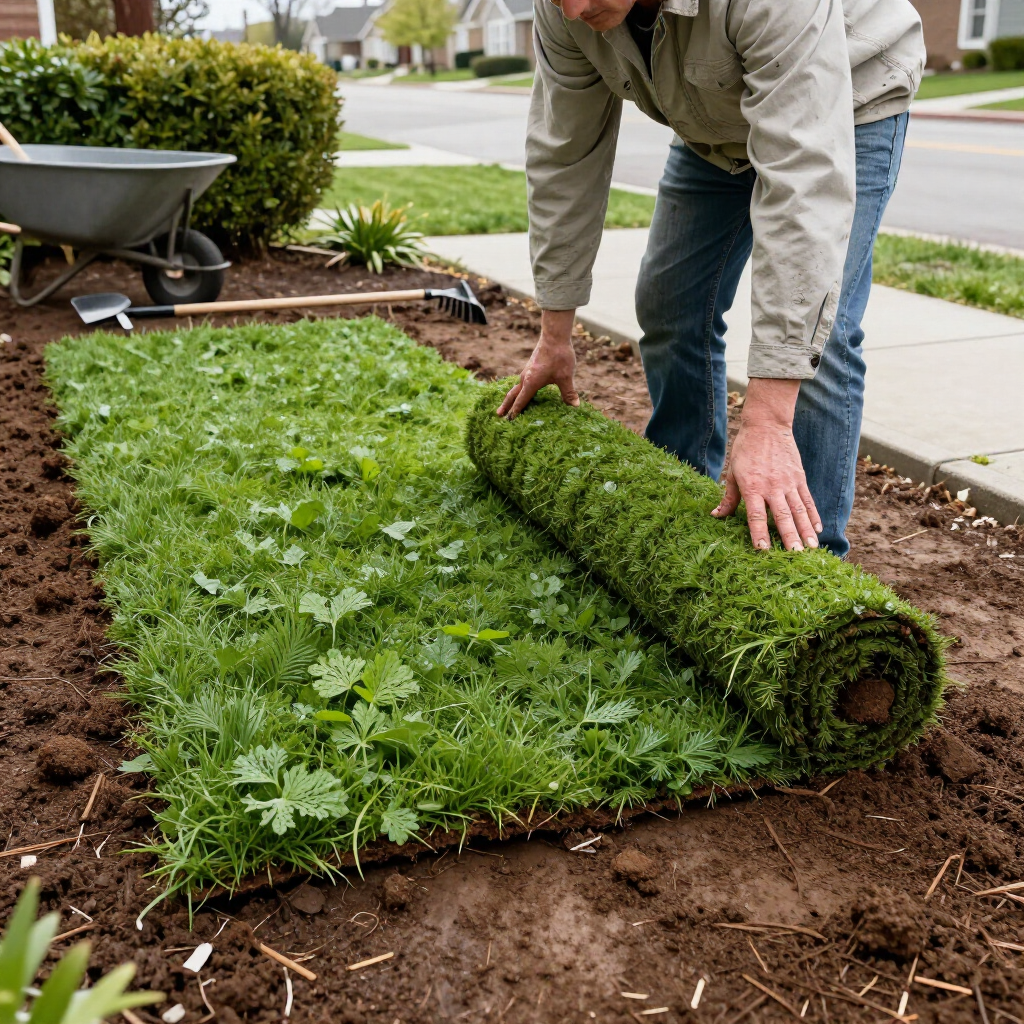
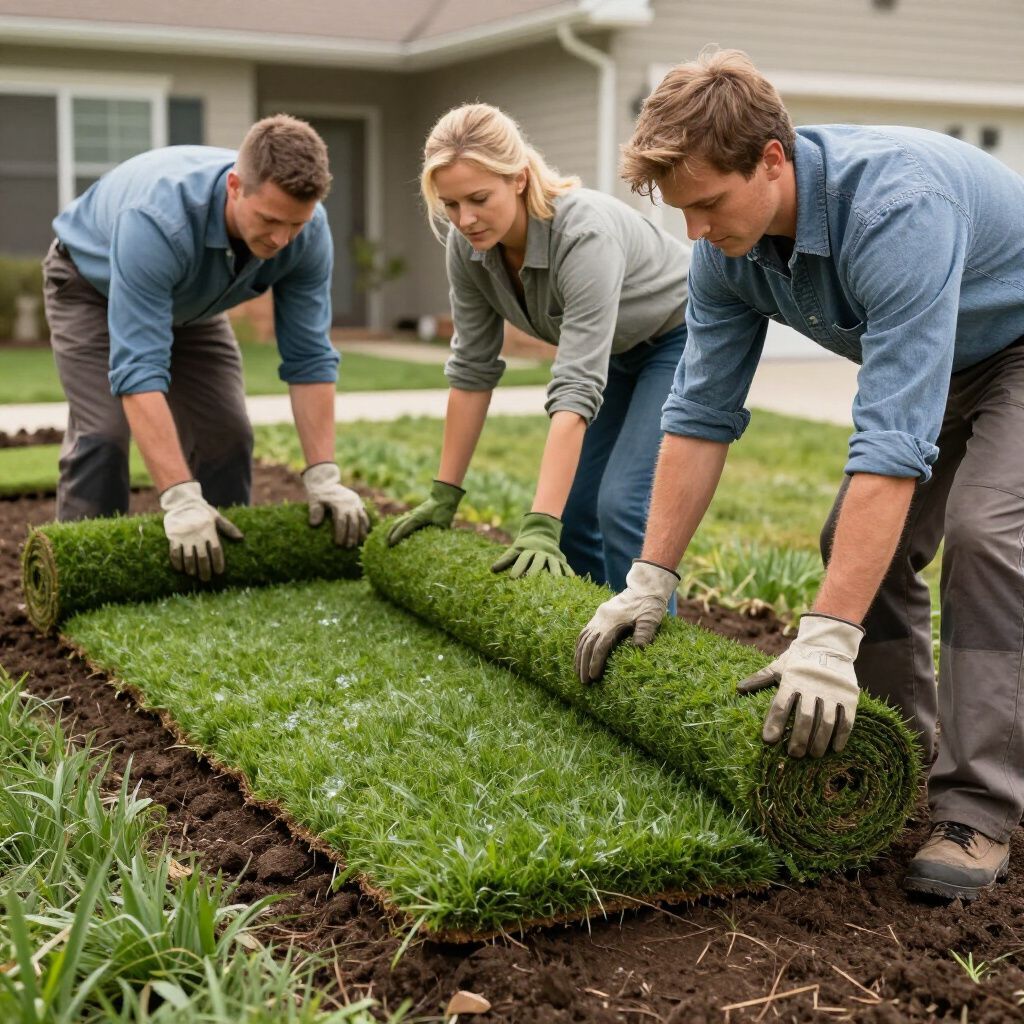
Sodding (often called “laying sod”) means installing mature grass that was grown on a farm, cut into rolls or slabs, and delivered to your property. Once installed over properly prepared soil, it gives you an almost instant green lawn.
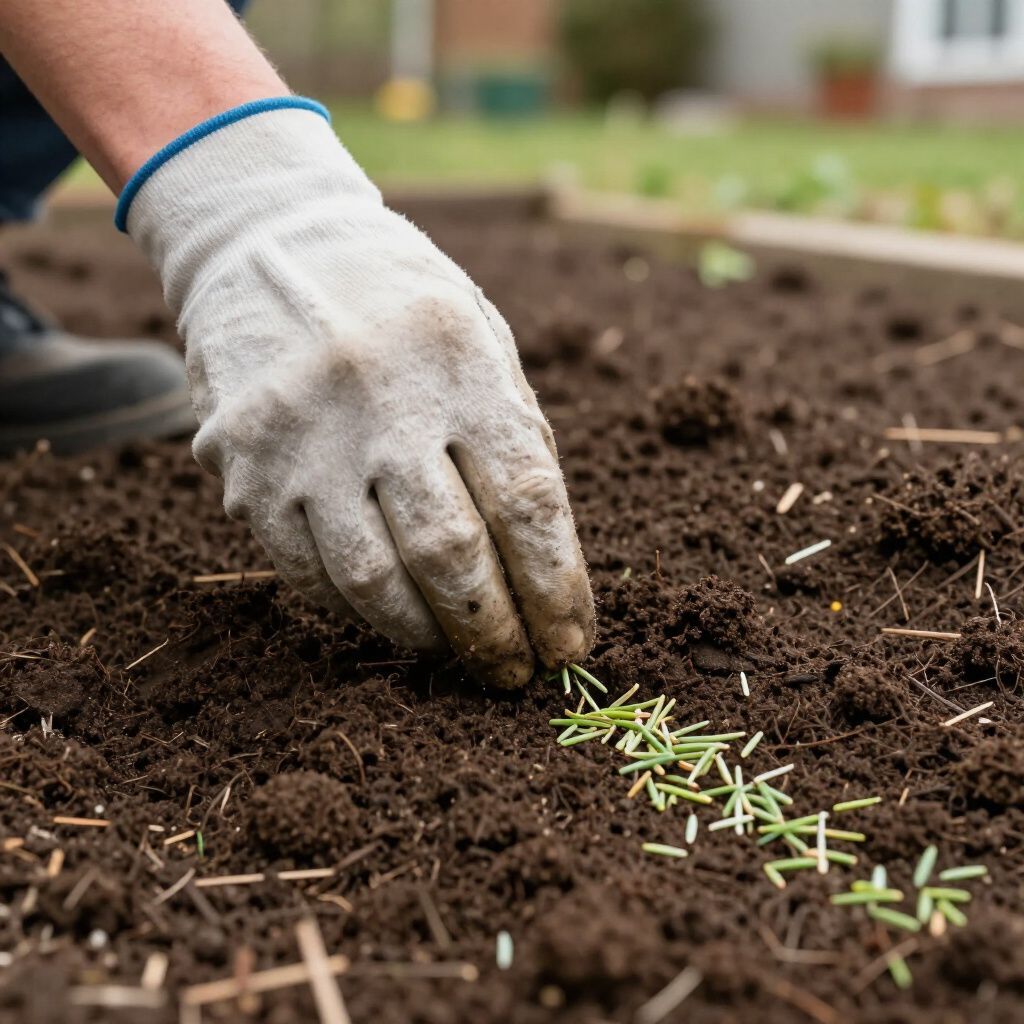
Seeding means spreading grass seed over prepared soil and nurturing it through germination and early growth. You’ll see sprouts relatively quickly under the right conditions, but it takes longer to reach a full, dense lawn.
Think of sod as “instant lawn” and seed as “grow your lawn.” Both require good soil preparation and correct watering, but the timeline and risk factors differ.
2. Speed: how fast do you want results?
If you need a finished-looking lawn quickly—especially for a move-in date, a renovation deadline, or an event— sod is the fastest option . In most cases, the yard looks complete the same day it’s installed.
Seeding is slower because you’re waiting for germination, then for the seedlings to mature. Depending on grass type and weather, germination can take roughly 5–21 days, and it may take several more weeks to look consistently full.
Ask yourself: Do you need a green lawn now, or can you wait for it to grow? That one question often makes the choice obvious.
3. Cost: what does each option typically cost?
In most markets, sod costs more upfront than seed. You’re paying for the grass that’s already been grown, harvested, transported, and installed. The labor is also higher because sod needs to be installed promptly and correctly.
Seeding is usually the most budget-friendly option, especially for large areas. Material costs are lower and the work can be simpler—though successful seeding still requires careful prep and follow-through.
One thing to keep in mind: a “cheap” seed job can become expensive if it turns patchy and requires multiple reseeds, extra soil, or weed control. Your best value comes from doing the prep right the first time.
4. Risk factors: weeds, washouts, and uneven growth
Sod has a major advantage early on: it forms a dense mat quickly, which helps reduce weed pressure . It also provides immediate coverage that helps protect soil from erosion—great for slopes or areas that get heavy rain.
Seeding is more vulnerable during the first few weeks. Heavy rain can wash seed away, birds can pick at it, and weeds can outcompete young grass. That doesn’t mean seeding can’t be successful—it just means the early stage requires more attention.
If your yard has challenging conditions (slopes, runoff, bare soil exposed to wind/rain), consider whether you’re set up to protect seed and keep moisture consistent.
5. Best timing: when should you sod or seed?
Both methods perform best when temperatures are mild and moisture is more predictable. In many regions, early fall and spring are the most forgiving windows, but the exact “best” time depends on the grass type and local climate patterns.
Sod is often more flexible because the grass is already established, but it still needs consistent watering right after installation. Seeding is very sensitive to temperature swings and drying out, so timing matters more.
Wondering what’s ideal for your specific yard and season? It’s worth asking a pro, especially if you’re trying to hit a narrow window.
6. Maintenance: watering and first mow
Both sod and seed require consistent watering at the start, but the approach differs. Fresh sod needs frequent watering to help roots knit into the soil; the top layer must stay moist without turning muddy. Seeding needs gentle, frequent watering to keep the seedbed damp—drying out can stop germination or kill seedlings.
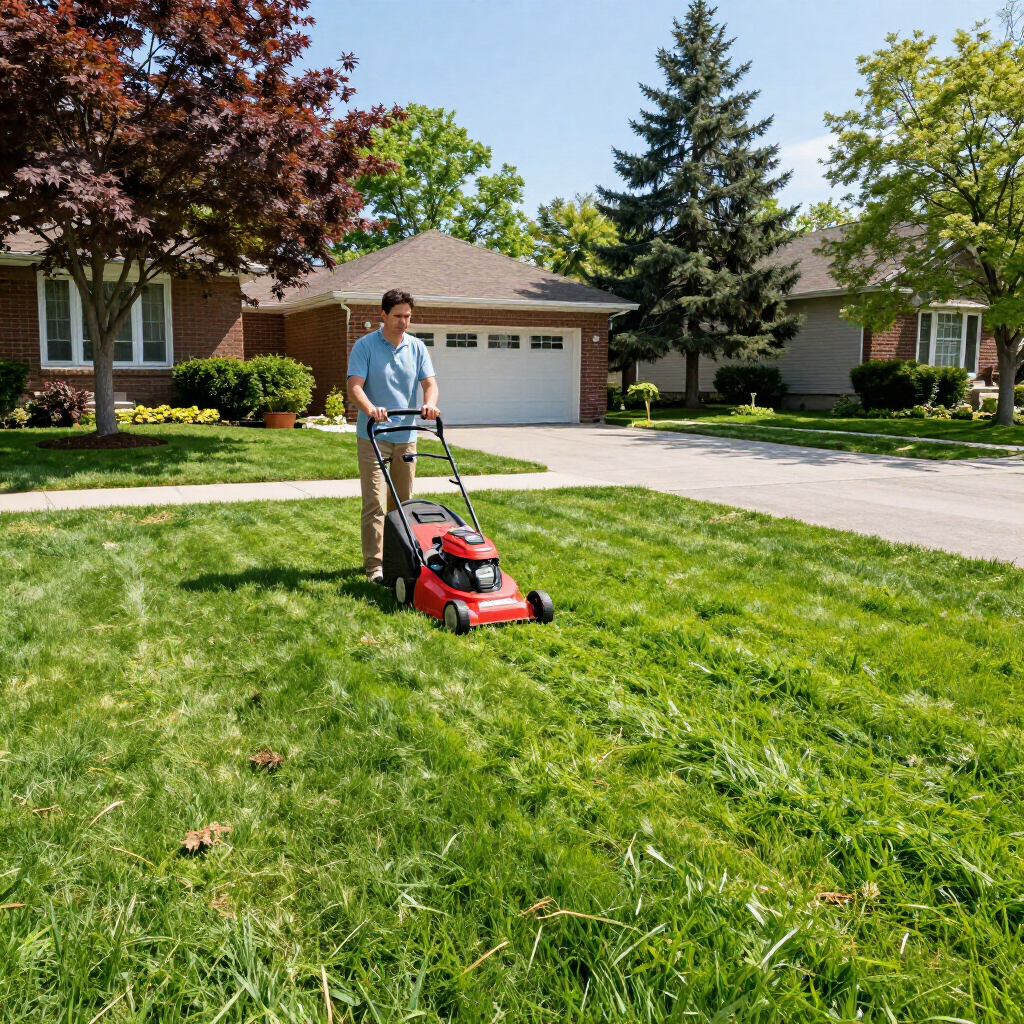
With sod, you’ll typically be able to mow sooner, once it has rooted and you can’t easily lift a corner. With seed, mowing comes later, after the grass reaches mowing height and is strong enough to handle the cut.
Question: Are you able to water multiple times per day during the first couple of weeks if needed? If not, sod may be the safer bet, or you may want to wait for a season with more reliable moisture.
7. Which one should you choose?
Choose sodding if: you want instant curb appeal, need fast results, want fewer early weeds, or need erosion control on slopes. Sod is also a great choice when you need the area to become usable sooner.
Choose seeding if: you’re working with a tighter budget, want more grass-type options, have time to nurture the lawn, and can commit to consistent watering and protection during germination.
Still unsure? A site’s sun/shade mix, soil quality, drainage, and how the space is used all play into the best answer. The right choice is the one that matches your property’s conditions and your expectations.
Conclusion
Sodding and seeding can both deliver a beautiful lawn, but they shine in different situations. Sod offers speed and early reliability, while seed offers flexibility and lower upfront cost. With proper soil preparation and the right watering plan, either method can produce a thick, healthy yard you’ll enjoy for years.
If you’d like a recommendation for your specific property, share a few details about your yard (sun exposure, slope, and how soon you want results) and we can help you decide which approach makes the most sense.
Share This Blog
Perfect Backyard Patio with Slabs and Pebbles in Between: A Smart, Stylish Choice for Brampton Homes