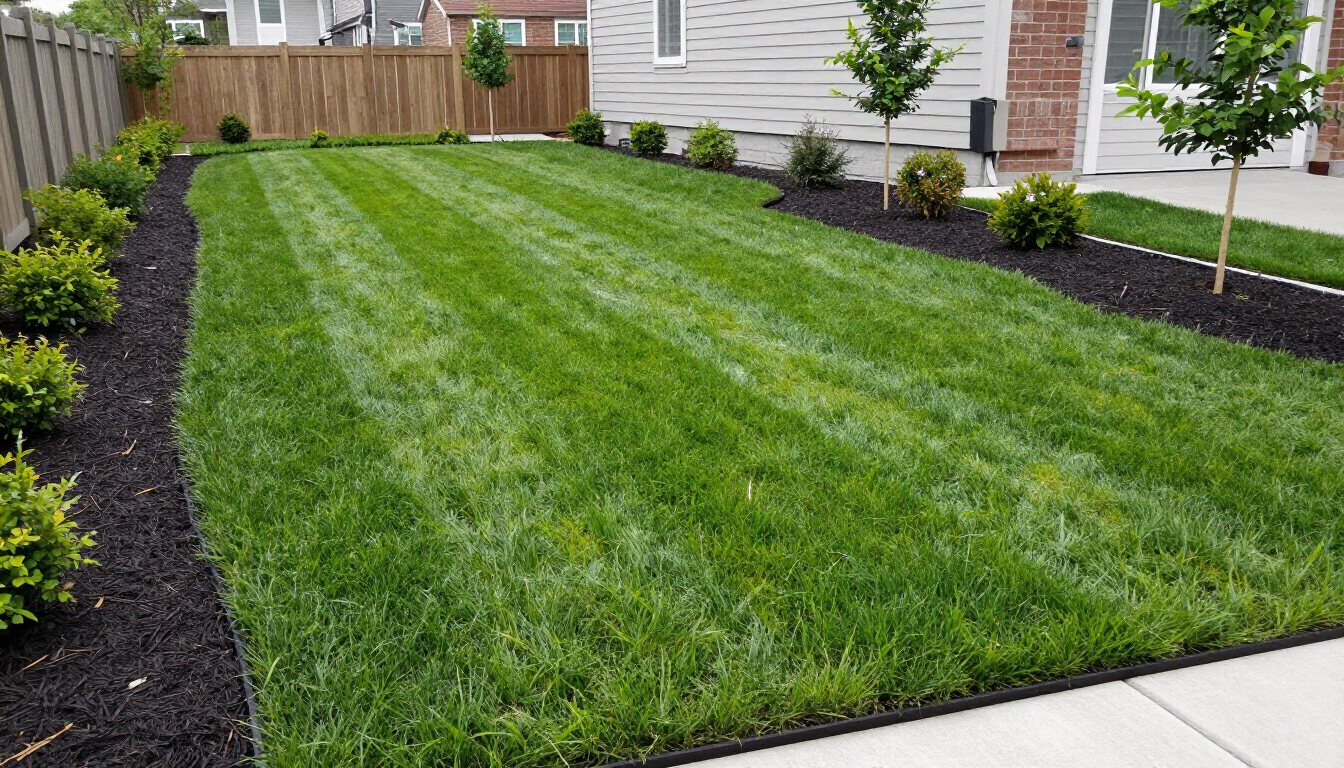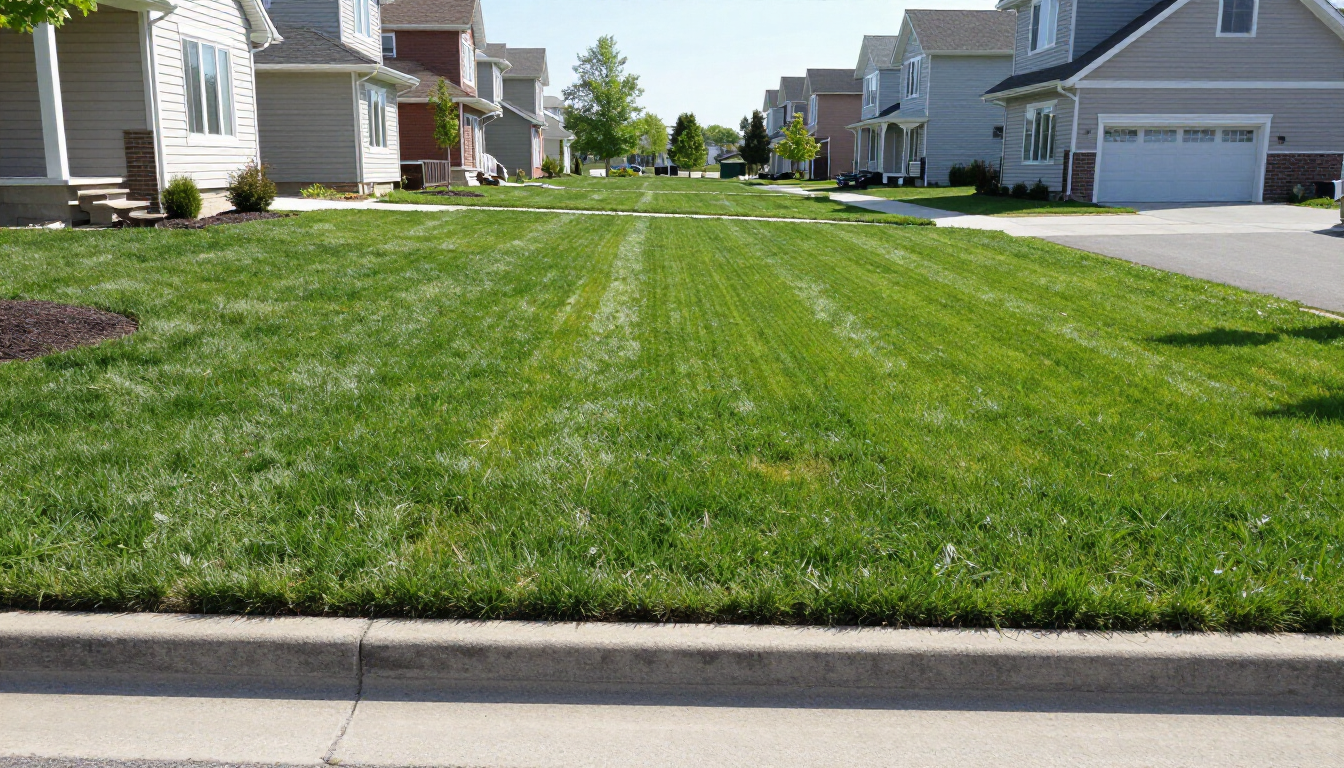
How to Cut Grass Perfectly: The GTA Homeowner’s Guide
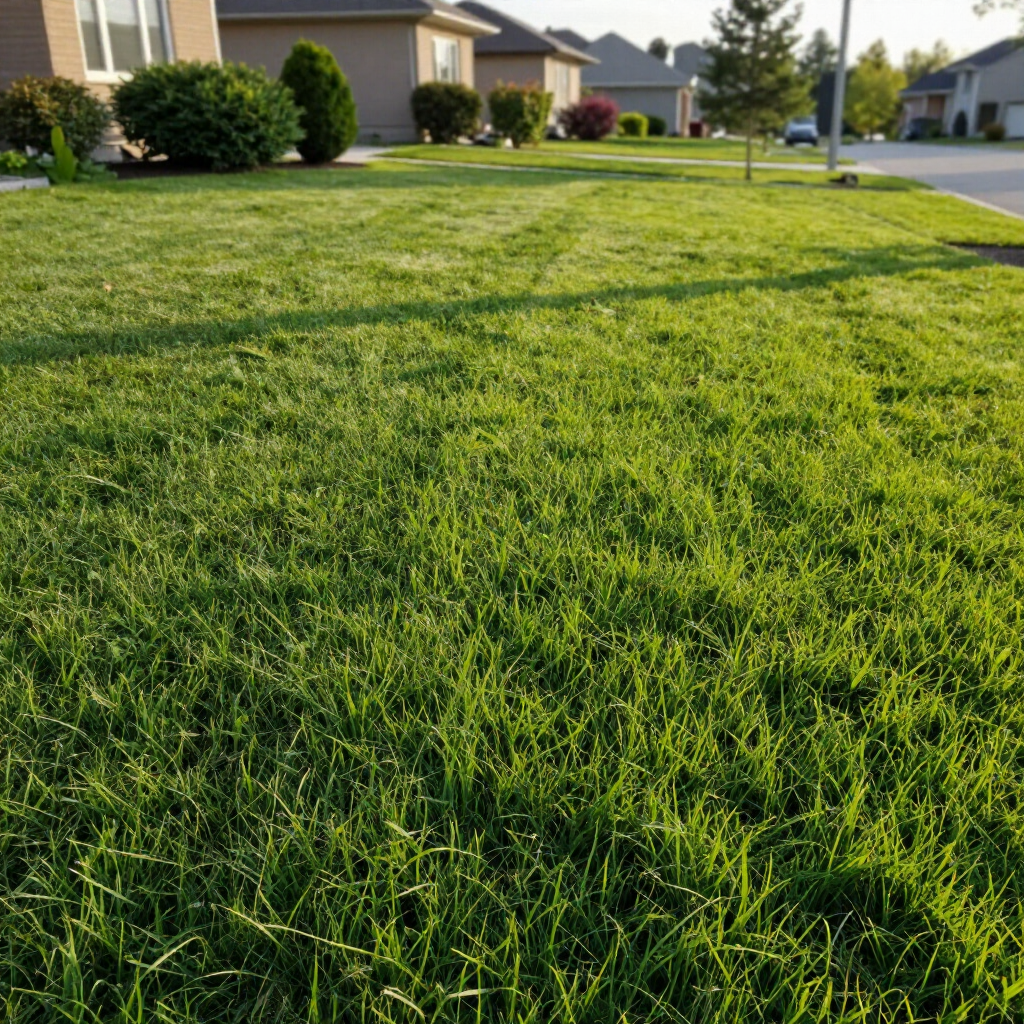
A “perfect cut” isn’t just about looks—it’s one of the fastest ways to get a thicker, greener lawn that naturally resists weeds. In the GTA (Greater Toronto Area) , lawns deal with heat waves, humidity, heavy spring growth, and occasional drought restrictions. The right mowing technique protects the grass, improves root strength, and keeps your yard looking like it was cared for by a pro.
1. Set the right mowing height (this is the big secret)
If you only change one thing, mow higher. Most GTA lawns are cool-season grasses (like Kentucky bluegrass, perennial rye, and fescues). These grasses stay healthier—and look fuller—when cut taller. A taller lawn shades the soil, keeps moisture in, and makes it harder for weeds to germinate.
- Ideal mowing height: about 3–3.5 inches for most lawns in Toronto and the GTA.
- During hot/dry spells: go a bit higher (closer to 3.5–4 inches ).
- Avoid “scalping”: cutting too short stresses grass and creates brown patches.
In areas like Mississauga, Brampton, Vaughan, Markham, Oakville, and Richmond Hill, taller mowing also helps because many yards sit on heavier soil that can compact—short grass struggles more in compacted ground.
2. Follow the 1/3 rule every time
The cleanest looking lawns are consistent lawns. Never remove more than one-third of the grass blade in a single cut. Cutting more than that shocks the plant, weakens it, and can leave clumps and visible mower lines.
- If your lawn is kept at 3 inches, mow when it reaches about 4–4.5 inches .
- If it gets too tall, raise the mower and “step down” over two mowings a few days apart.
Ask yourself: Am I mowing because the lawn needs it—or because it’s Saturday? Timing mowing to growth is what keeps the cut looking perfect.
3. Use a sharp blade for a crisp, healthy finish
A dull mower blade tears grass instead of slicing it. Torn tips turn brown, making the whole lawn look rough or “dusty” a day after mowing. A sharp blade leaves clean cuts that heal fast, keeping the lawn greener and less prone to disease.
- Look closely after mowing: frayed, shredded tips = time to sharpen.
- As a GTA rule of thumb: sharpen 2–3 times per season (more if you hit debris).
4. Mow when the lawn is dry (and choose the right time of day)
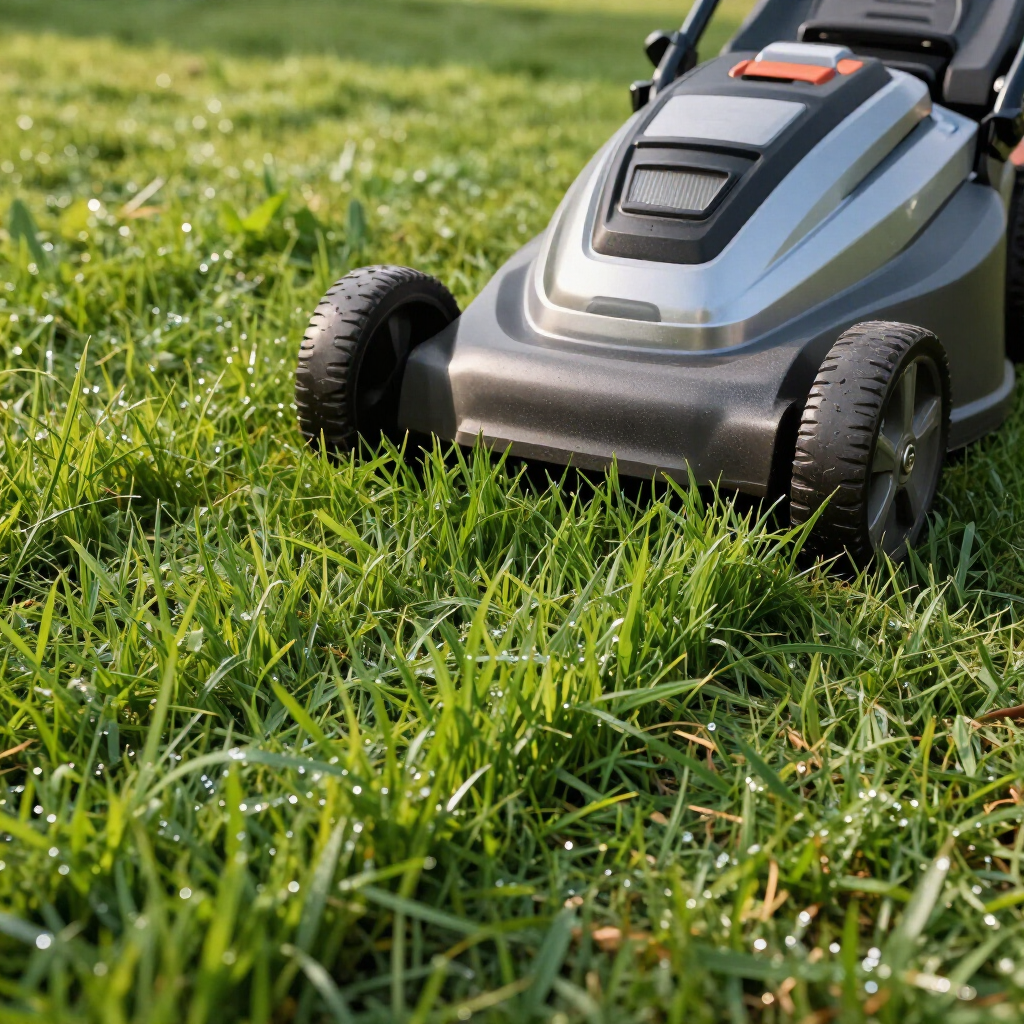
For the best-looking cut, mow when grass is dry. Wet mowing can clump, smear, and leave ruts—especially on softer spring lawns. It can also spread lawn disease.
- Best times: late morning or early evening (after dew dries, before it gets dark).
- Avoid: mowing in the peak afternoon heat when the turf is already stressed.
If you’re watering, try to mow before irrigation cycles, not right after.
5. Change mowing patterns to prevent ruts and stripes
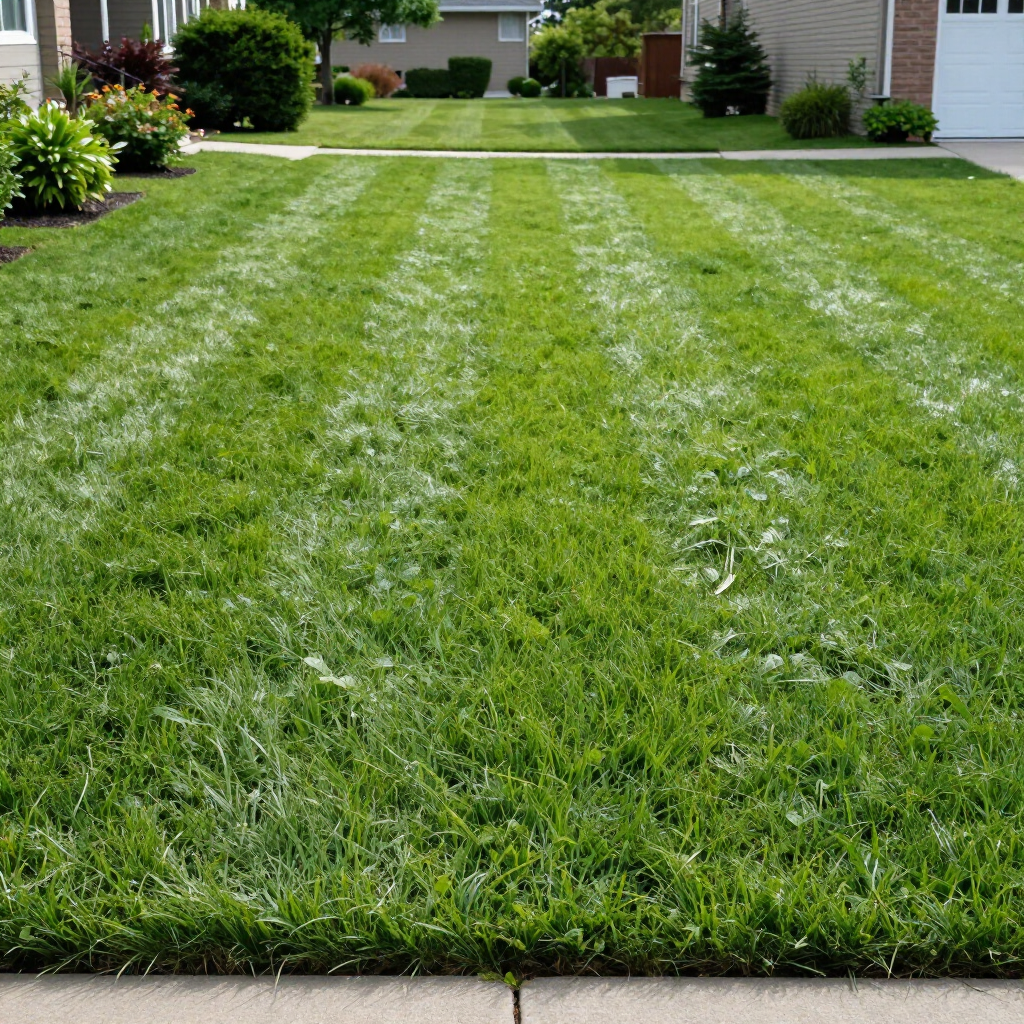
“Perfect” lawns look even because the mower isn’t pushing the grass the same way every week. Repeating the same direction can create compaction lines and visible tracks, especially along property edges and near gates.
- Alternate patterns: vertical one week, horizontal the next, diagonal after that.
- Overlap slightly so you don’t leave uncut “steps.”
- Take your time around corners—fast turns can scalp the turf.
6. Handle clippings the right way (mulch most of the time)
In most cases, leaving clippings on the lawn (mulching) improves the look and health of your turf. It recycles nutrients and helps the lawn stay greener. The key is mowing often enough that clippings are short and disappear quickly.
- Mulch when clippings are small and dry.
- Bag only when the lawn is overgrown, wet, or the clippings are piling up.
Heavy clumps can smother grass and create yellow spots—another reason the 1/3 rule matters.
7. A simple “perfect cut” checklist (GTA lawn care)
Use this quick checklist before you mow:
- Mower height set to 3–3.5 inches
- Blade is sharp
- Lawn is dry
- Remove sticks/debris first
- Change your mowing pattern from last time
- Mow slow around edges and slopes
Conclusion
Cutting grass perfectly is really about consistency: mow high, don’t take off too much, keep the blade sharp, and avoid mowing wet turf. Follow these basics and you’ll get a thicker, healthier lawn that looks great across Toronto and the GTA—without fighting constant brown tips and patchy areas.
If you tell me your city (Toronto, Mississauga, Brampton, Vaughan, Markham, Oakville, etc.) and whether your lawn is new sod or established turf, I can recommend the best mowing height for your exact conditions.
Share This Blog
Perfect Backyard Patio with Slabs and Pebbles in Between: A Smart, Stylish Choice for Brampton Homes