How to Fix a Muddy Backyard – New Sod vs. Other Solutions
Few things are as frustrating for homeowners as stepping into your backyard only to find it a mud pit. Whether it’s due to poor drainage, worn-down grass, or heavy foot traffic, a muddy backyard can make outdoor spaces unusable and unsightly. But don’t worry—there are smart, lasting solutions to help you enjoy your yard again. In this guide, we’ll break down the causes, compare popular fixes—including laying new sod—and explore which option is right for you.
1. Understanding Muddy Backyards: Causes & Impact
Before you can fix a muddy backyard, it’s important to know what’s causing the problem. Poor drainage, heavy clay soil, compacted ground, or shade that prevents grass from thriving are frequent culprits. Sometimes, downspouts discharge near the yard, making things worse after every rainfall.
Mud issues aren’t just cosmetic. Persistent wet soil can kill plants, attract pests like mosquitoes, and even cause foundation or flooding issues if left unchecked. Every yard is unique: is yours patchy mainly where kids or pets play? Or soggy all over after storms? Pinpointing these differences helps you choose the best fix.
Think about your lifestyle: do you host gatherings, have pets, or prefer easy maintenance? Your answer will influence the best solution for reclaiming your backyard oasis.
2. Solution 1: Laying New Sod
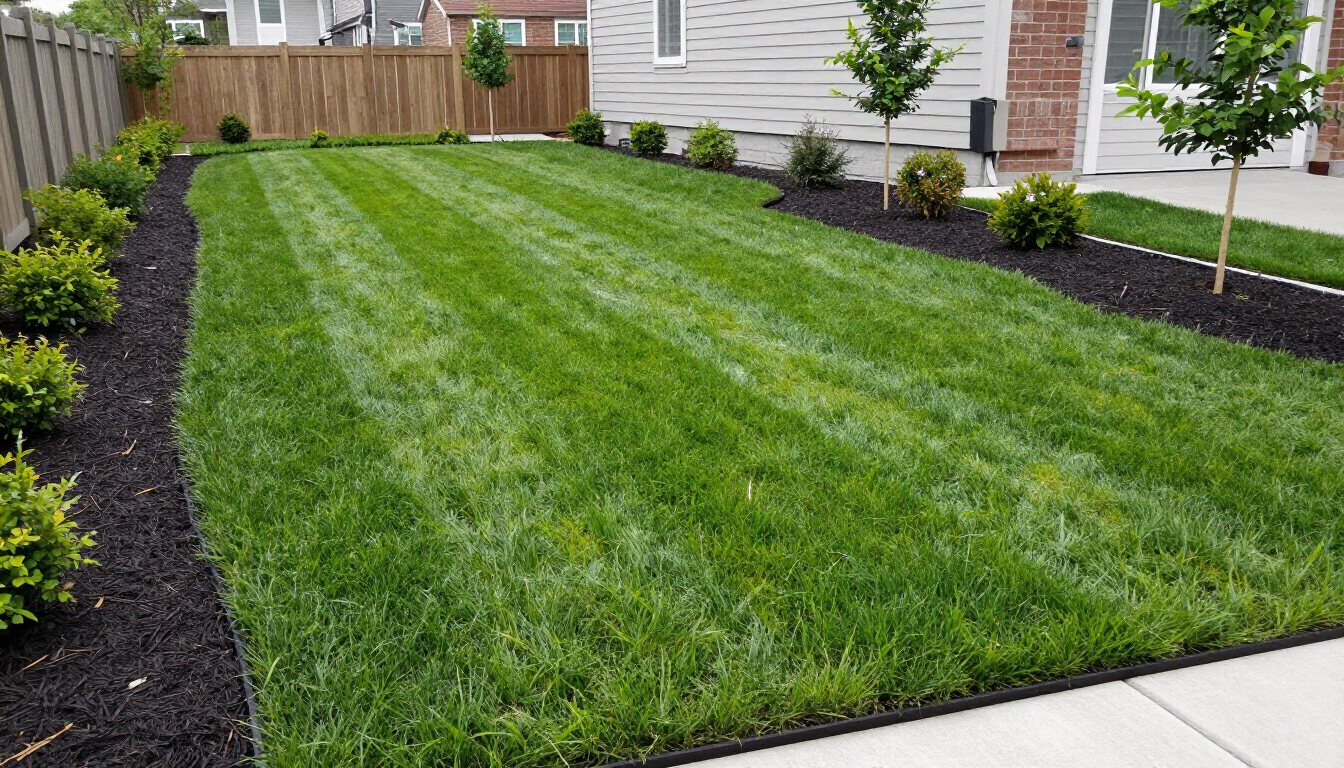
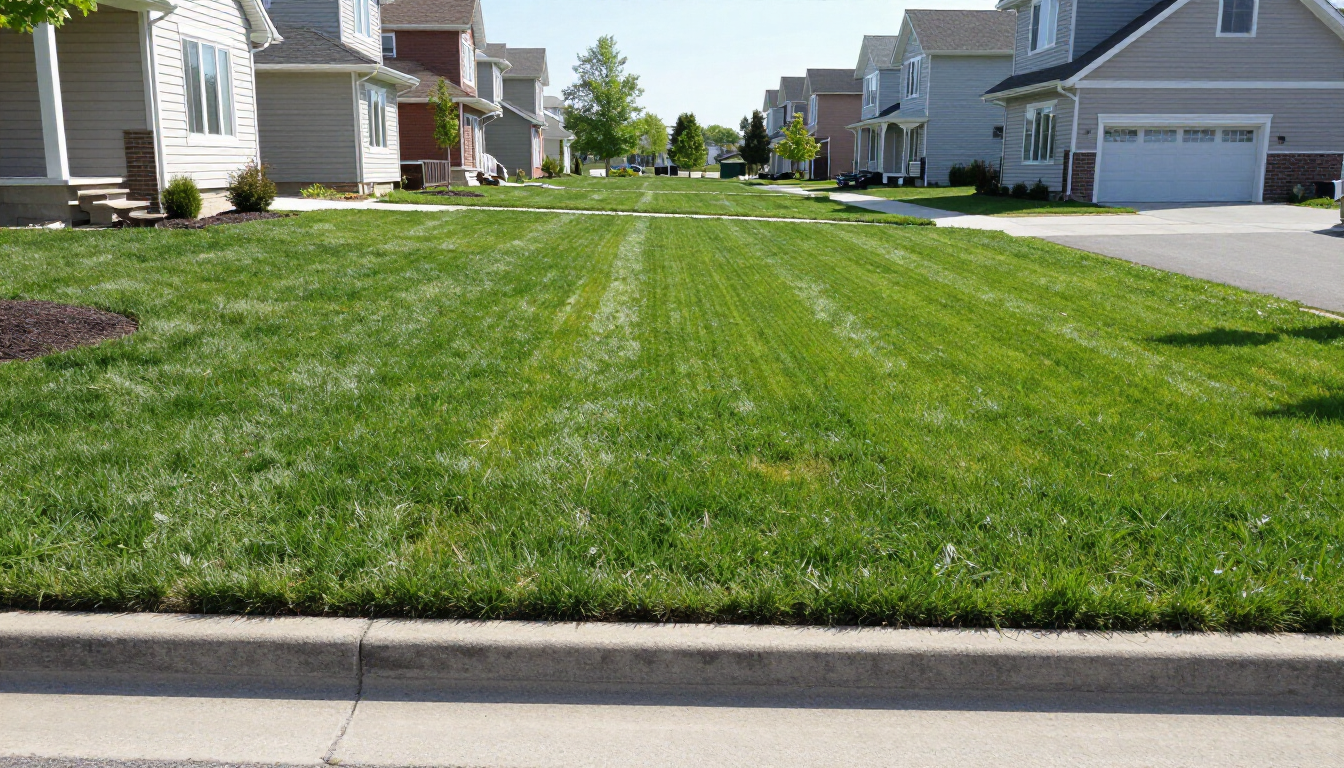
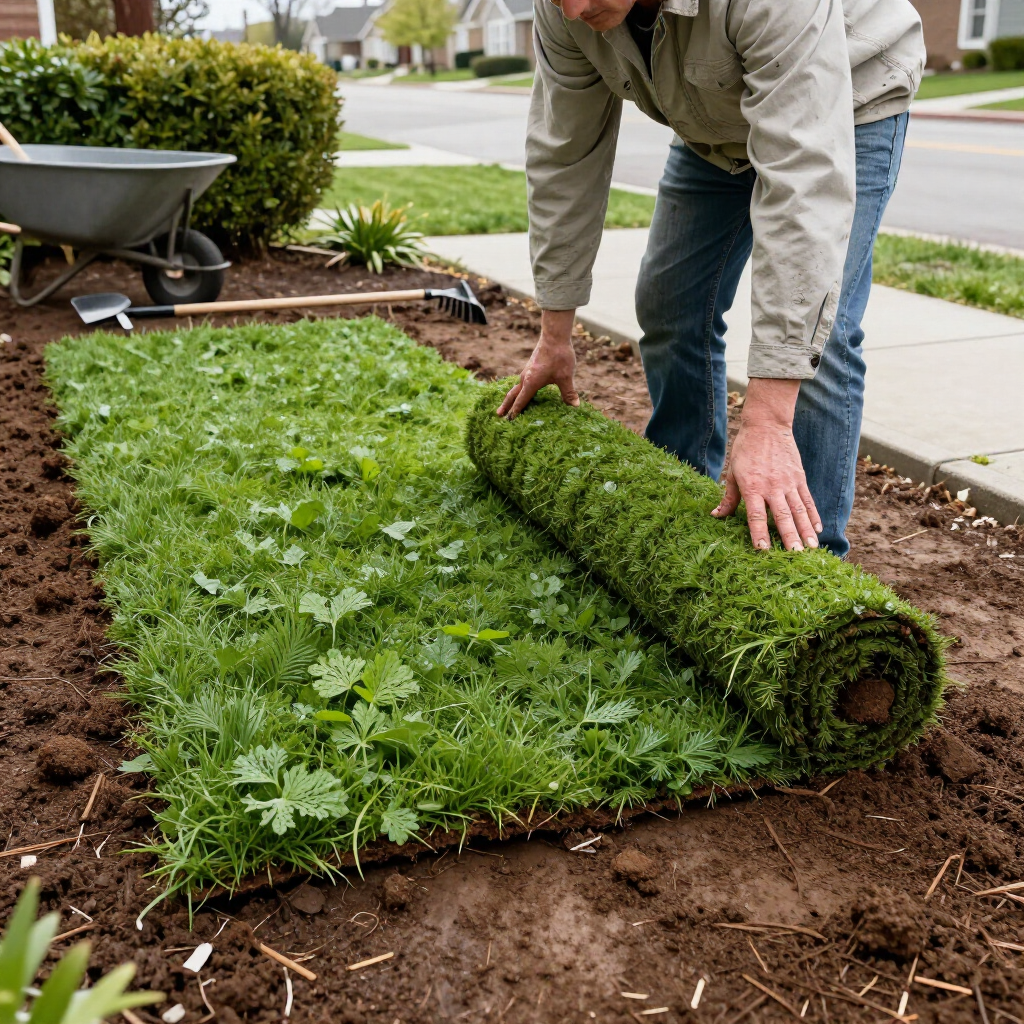
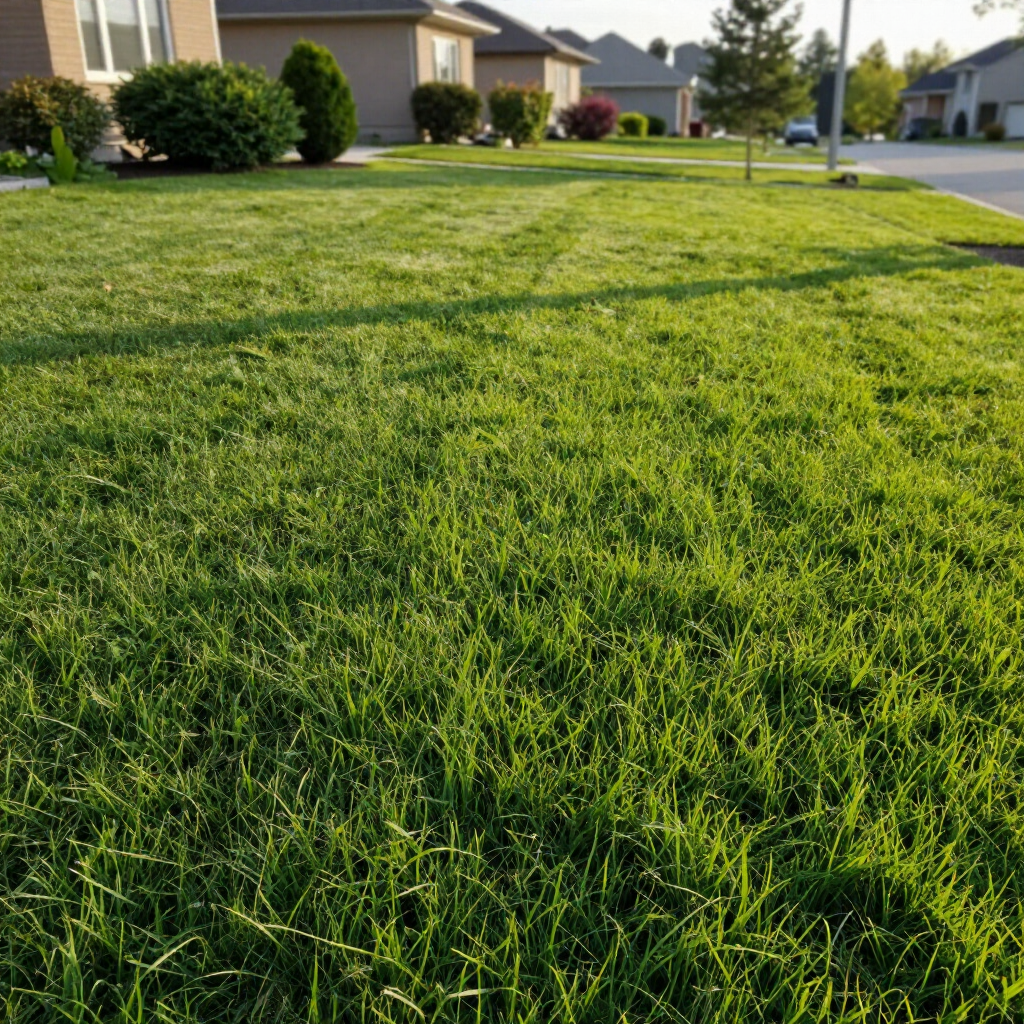
One of the fastest ways to transform a muddy, patchy yard is to install new sod. Sod gives you an instant green carpet that, once rooted, absorbs water better than bare soil and can withstand heavy use.
Preparation is the key. Remove old grass and debris, loosen the soil, improve drainage (if needed), and use a quality topsoil base. Laying sod without solving underlying drainage issues may yield only temporary improvements—water might still pool after rainstorms, and the fresh sod will quickly suffer.
Benefits of sod include immediate aesthetic transformation and increased property value. Drawbacks include higher upfront cost and the need for regular watering and maintenance as it establishes. Have you tried laying sod, or are you considering it as your next step?
3. Solution 2: Improving Drainage and Alternative Fixes
Not every muddy yard needs new sod. Improving drainage can be a highly effective and sometimes more affordable solution. Options include:
- French drains or underground piping to direct water away
- Regrading to create proper runoff slopes
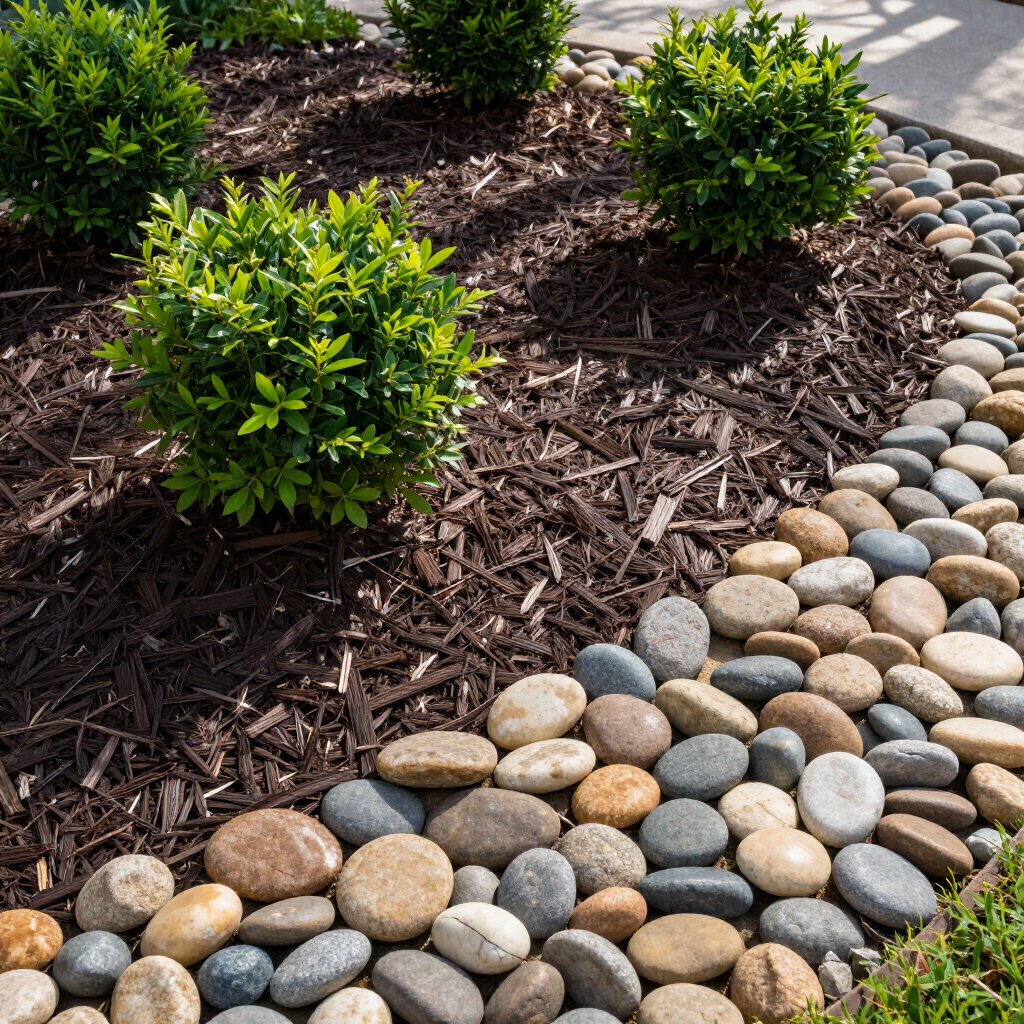
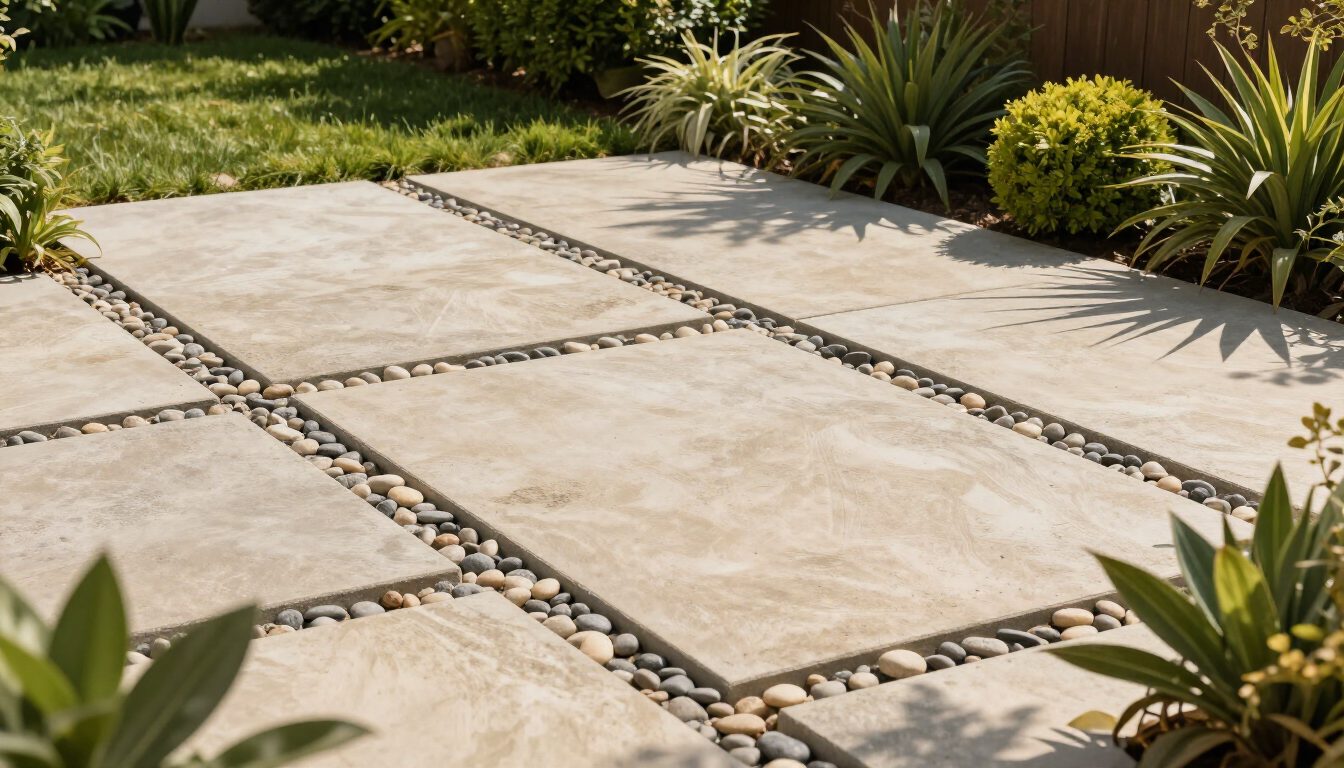
- Installing gravel, mulch paths, or permeable pavers in high-traffic/wet zones
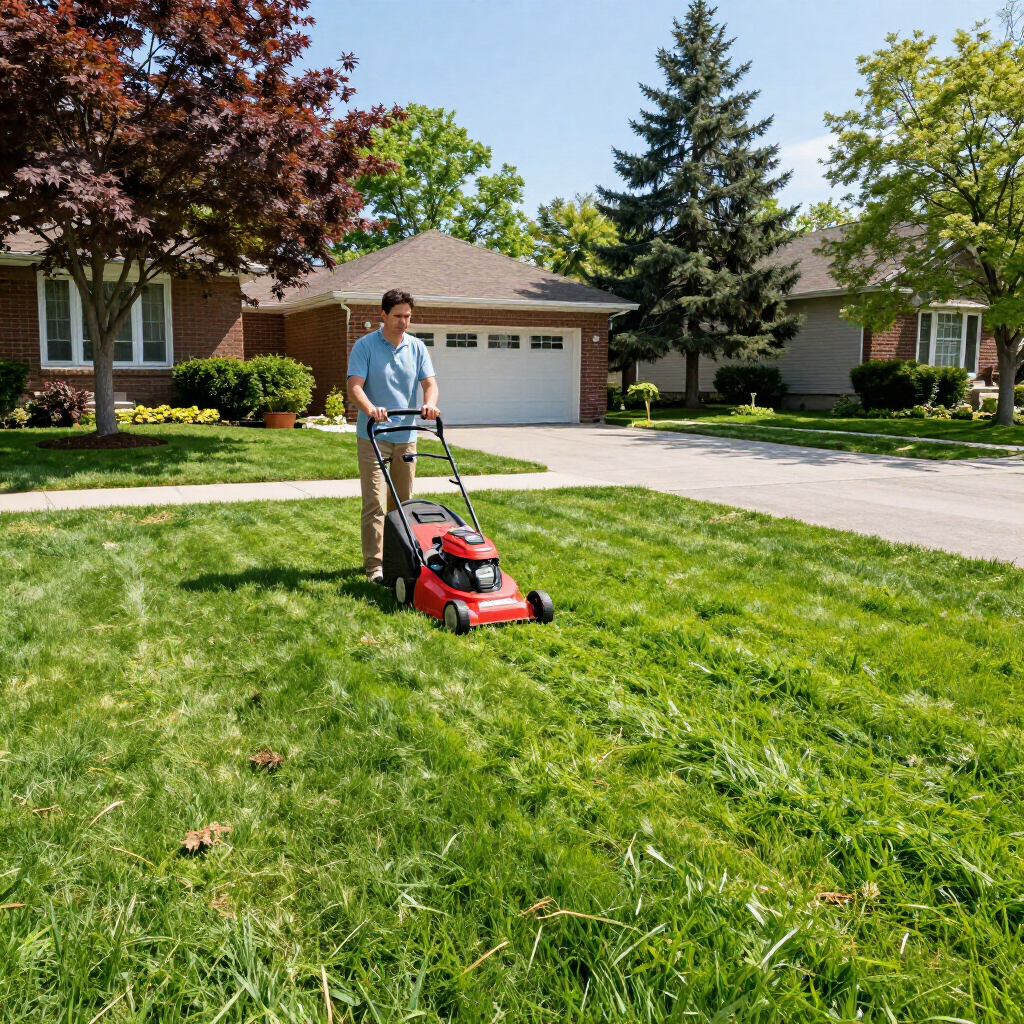
- Aerating and overseeding grass to thicken turf
- Adding organic matter to lighten clay soil
Each method varies in cost, lifespan, and appearance. French drains and regrading are best suited for broad water problems, while pavers and mulch work well for smaller trouble spots or pathways. Don’t overlook simple changes like redirecting downspouts, which can make a significant difference quickly.
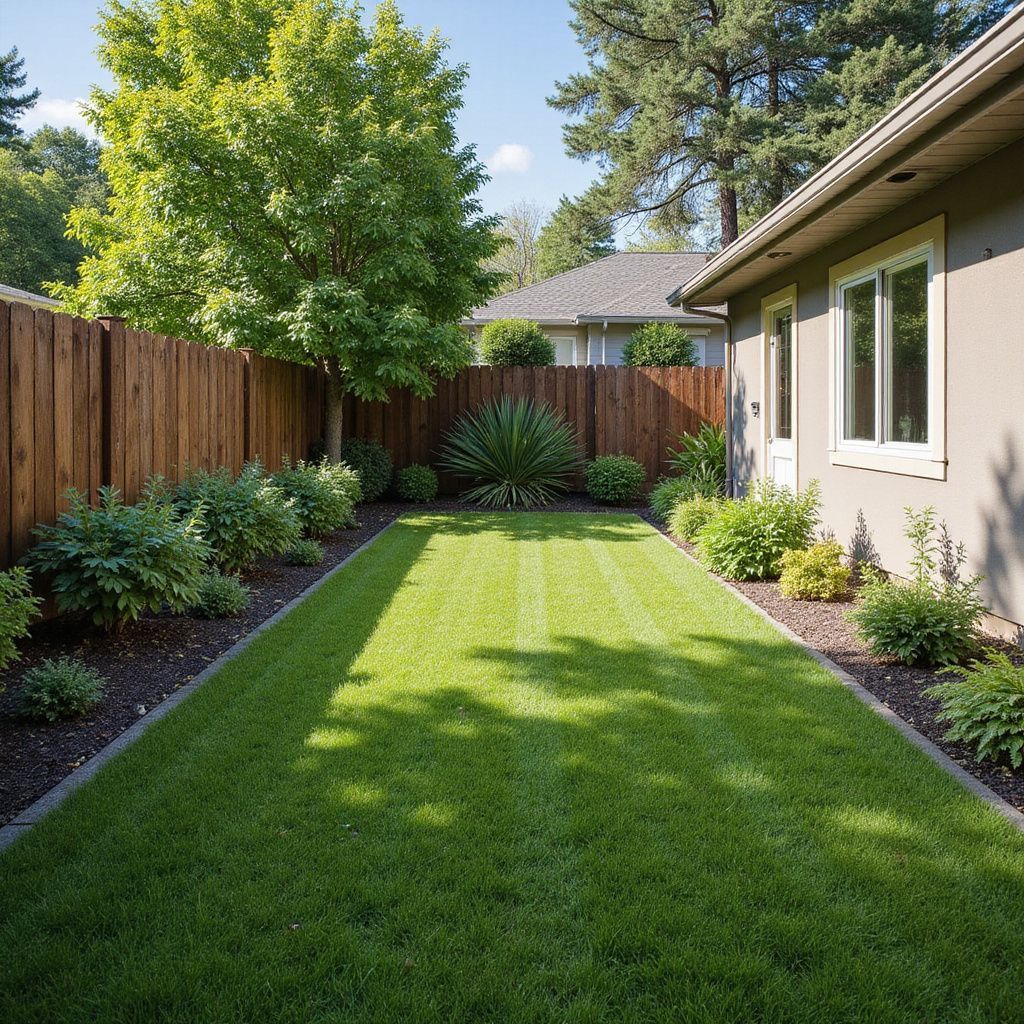
Which area in your yard gets the muddiest, and does it stay wet long after it rains? Identifying this can lead you to the most effective, lasting solution.
4. New Sod vs. Other Solutions: What’s Best for You?
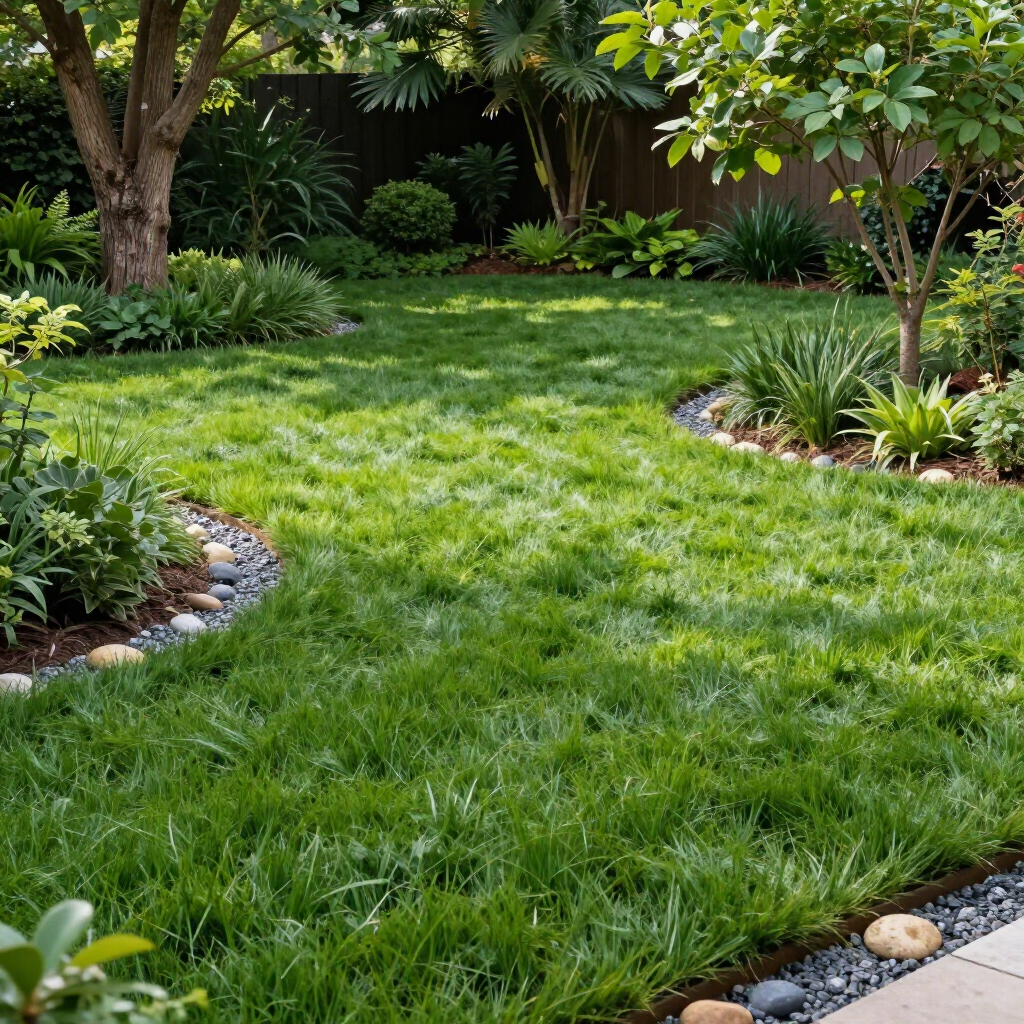
Choosing between new sod and alternative solutions depends on your goals and budget. If you want an instant upgrade before an event or home sale, new sod is hard to beat. If you’re motivated by long-term stability and lower maintenance, investing in drainage or improving existing soil and turf can be smarter—and sometimes cheaper—over time.
Try combining fixes: improve drainage first, then add sod or reseed. Sometimes, just fixing downspouts and traffic patterns is all your yard needs to recover naturally.
Conclusion
Fixing a muddy backyard is possible—with the right combination of knowledge and action. Whether you opt for new sod, drainage improvements, or a blend of approaches, the result can be a dry, beautiful yard perfect for play, relaxation, and gatherings. Ready for a change? Assess your backyard today—and take the first step toward reclaiming your outdoor haven.
Share This Blog
Perfect Backyard Patio with Slabs and Pebbles in Between: A Smart, Stylish Choice for Brampton Homes