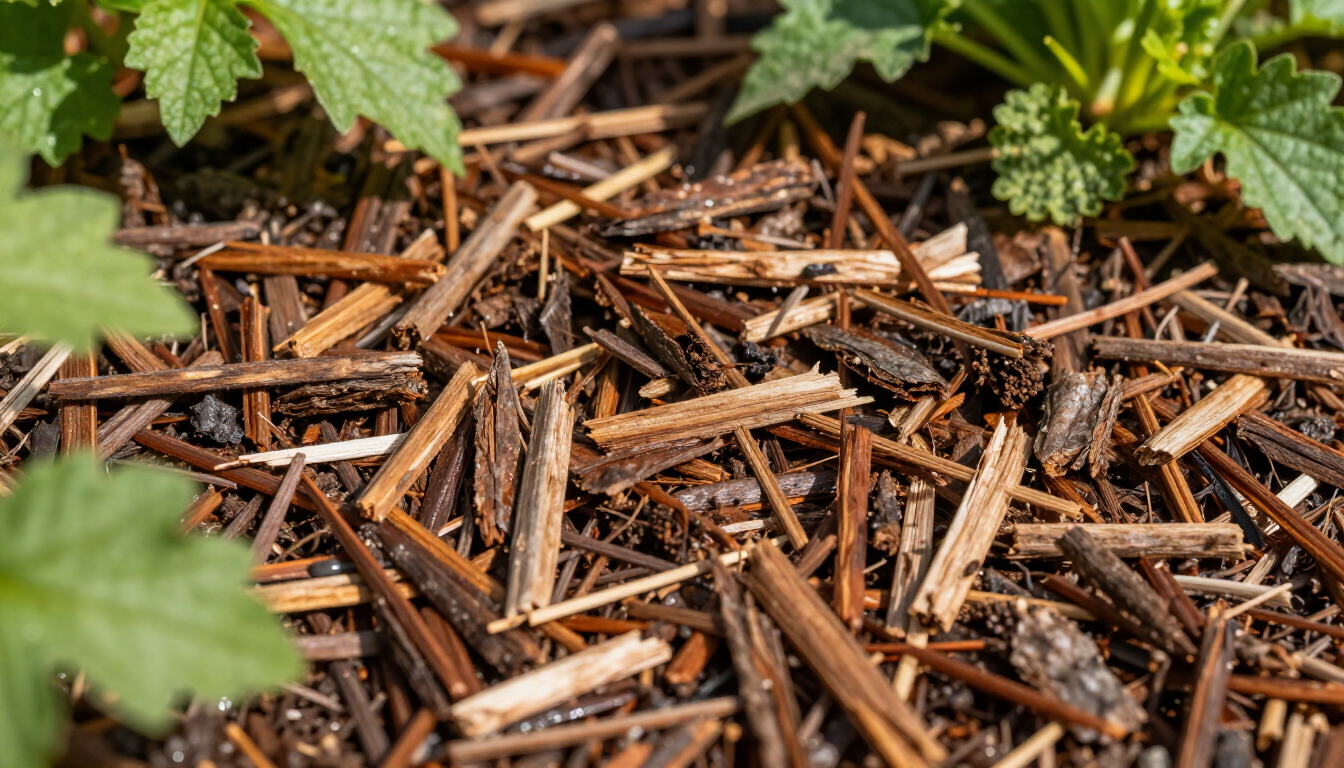
River Rock vs. Mulch: What’s Best for Your Backyard?
If you’re planning a backyard refresh in Brampton (or anywhere in the GTA), you’ve probably considered using gravel—think pea gravel or river rock —for garden beds, side yards, or around patios. Stone can look clean and modern, but it’s not a “set it and forget it” solution. In fact, gravel is often harder to maintain than most homeowners expect .
Below is a practical breakdown of the pros and cons of decorative stone , plus why natural mulch is usually the better choice for healthier, easier-to-manage landscaping.
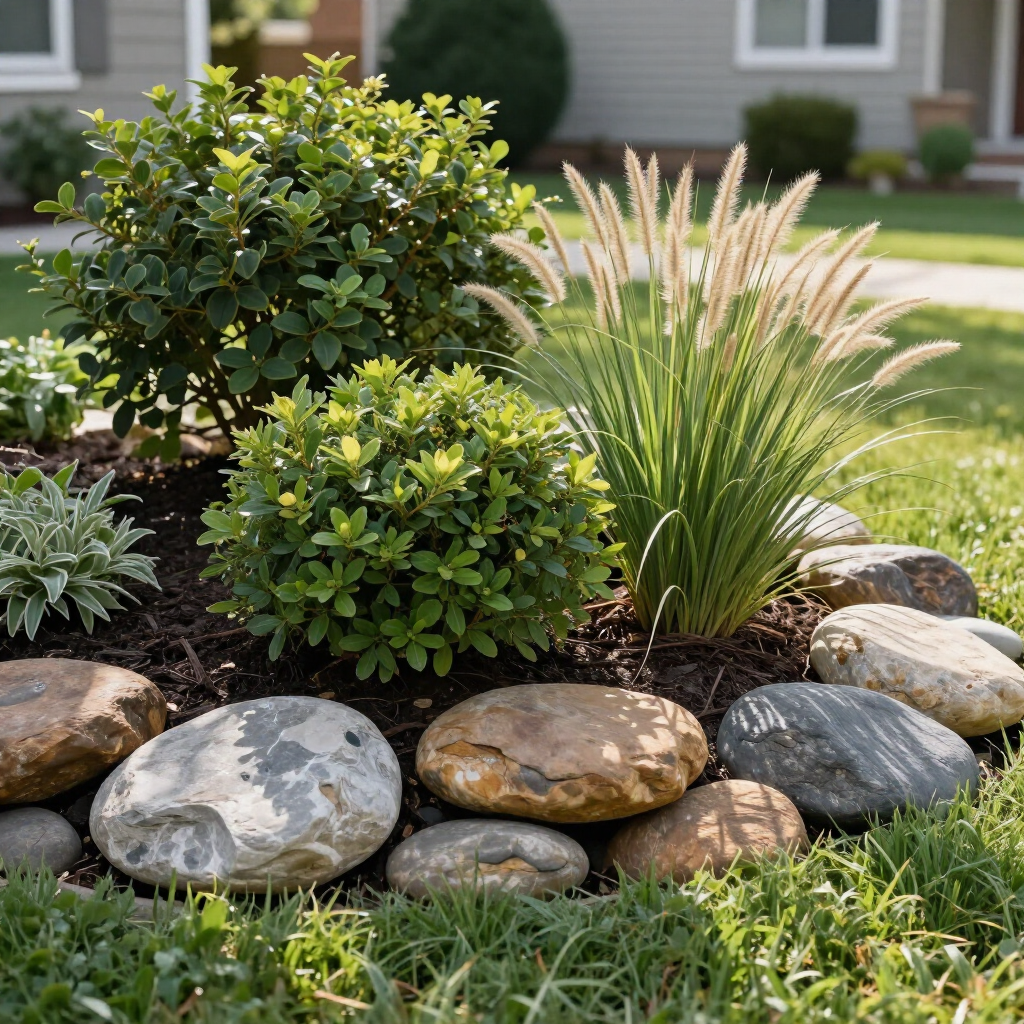
1. The Pros of River Rock or Pea Gravel
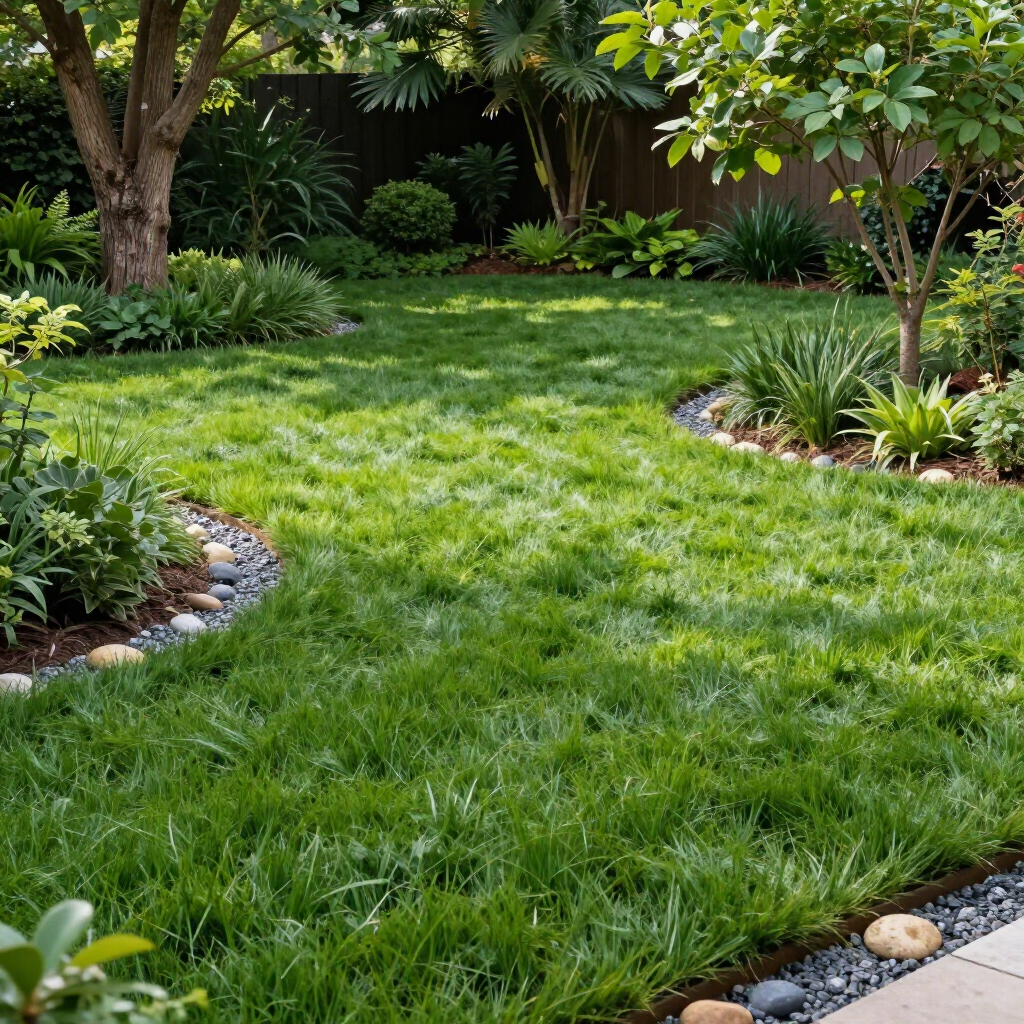
It can look sharp and structured. Stone creates a crisp, finished look—especially in modern landscapes or around hardscape features like patios, walkways, and sheds.
It won’t decompose. Unlike mulch, stone doesn’t break down over time, so you won’t be topping it up every season just because it “disappeared.”
Good drainage in the right application. Gravel can help manage splash-back and muddy areas when installed properly with correct base prep and edging.
2. The Cons (and Why Gravel Is Often Hard to Maintain)
Weeds still happen—often worse than you think. Even with landscape fabric, wind-blown seeds land in the stone and sprout. Over time, dust and organic debris build up between the rocks and create a thin “soil layer” that weeds love.
Cleaning is frustrating. Leaves, twigs, and helicopter seeds get trapped between stones. Raking can pull stones into the lawn, and blowing debris out often just redistributes it. Once organic matter settles in, it’s tough to remove without disturbing the bed.
Stone moves. Pea gravel shifts underfoot and migrates into walkways and turf—especially after rain, snow removal, or foot traffic. River rock can also spread if there’s no solid edging.
Heat and plant stress. Stone can hold and reflect heat during hot Ontario summers. That can dry out nearby soil faster and stress some plants.
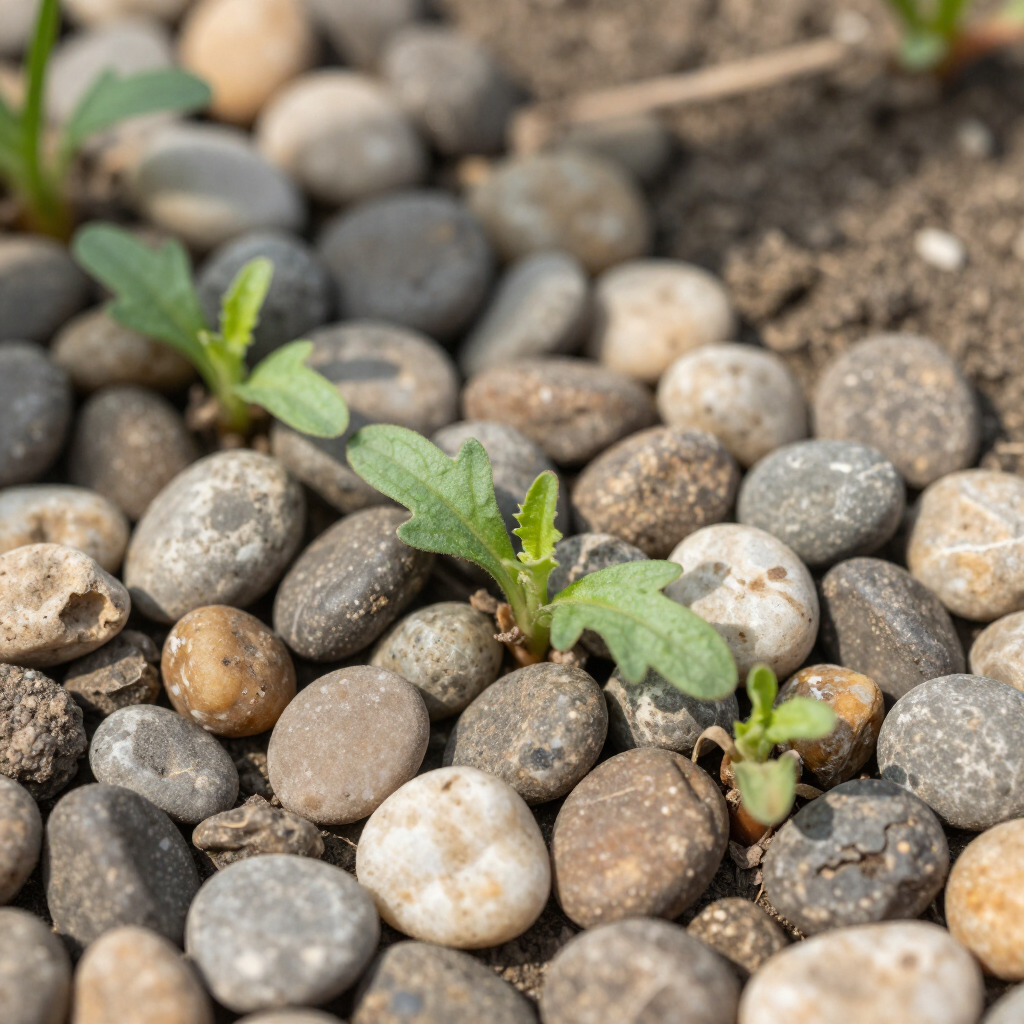
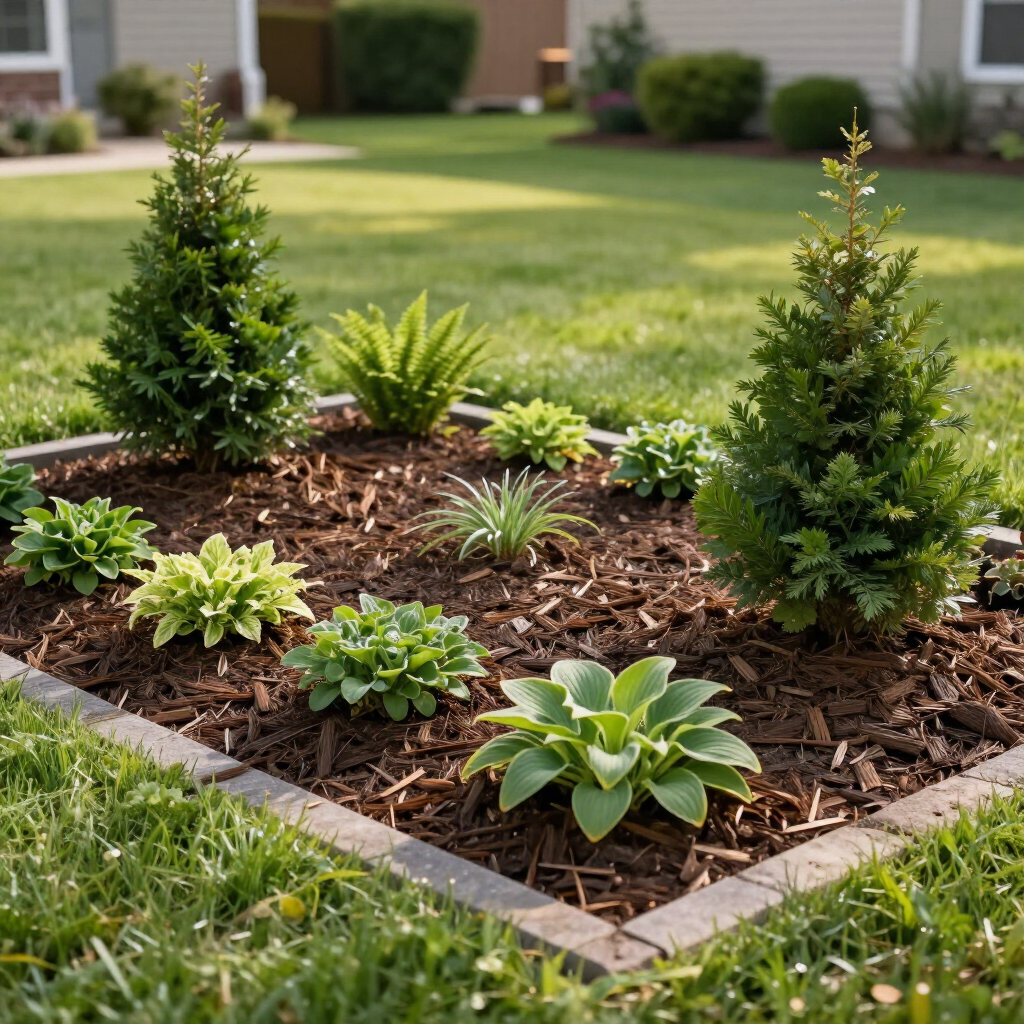
3. Why Mulch Is Usually a Better, More Natural Option
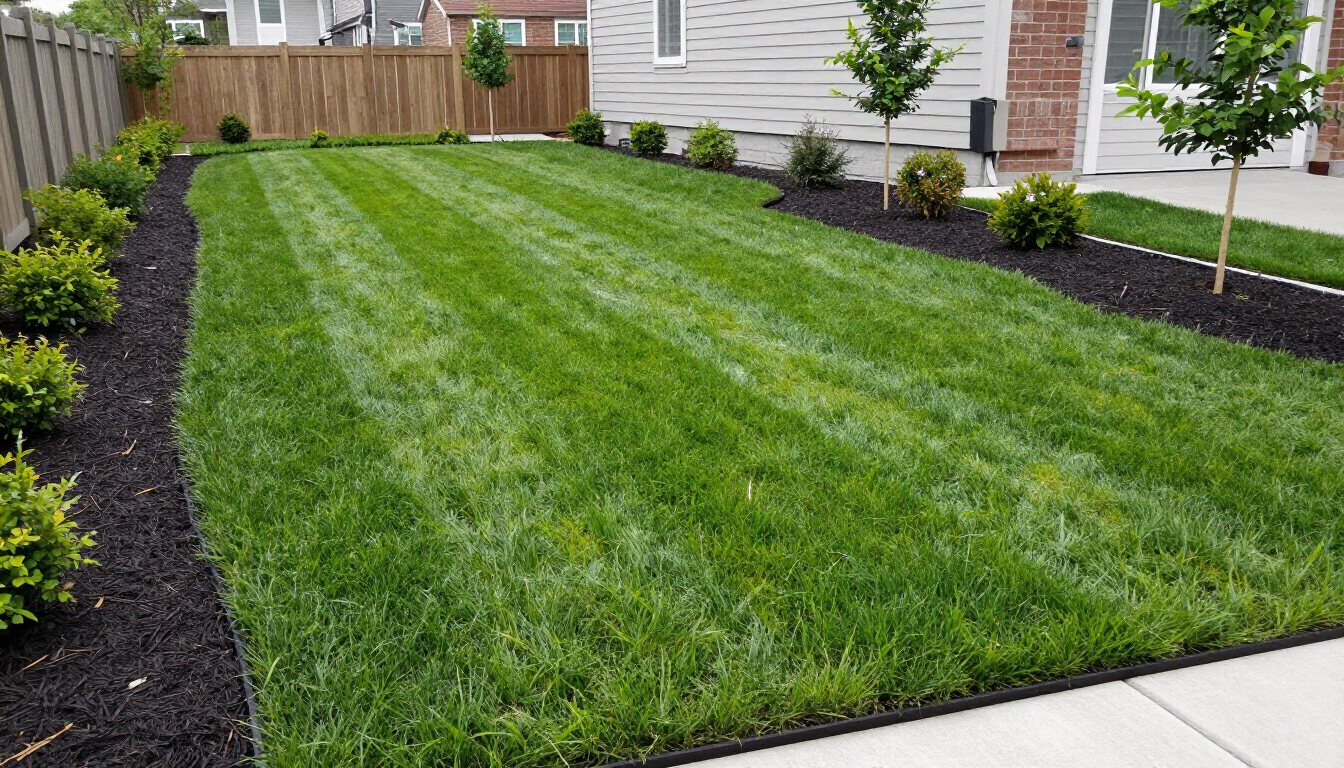
Mulch improves the soil. As it breaks down, mulch adds organic matter—supporting healthier plants, better moisture retention, and improved soil structure.
Mulch helps suppress weeds (more effectively over time). A proper 2–3 inch layer blocks light and makes it harder for weeds to establish. You’ll still get the occasional weed, but maintenance is typically simpler than weeding gravel.
It’s easier to refresh and adjust. Need to add a new plant? Mulch is easy to pull back and re-spread. With gravel, planting changes often mean digging through rock and fabric, then trying to restore the bed so it looks even again.
It looks natural—and fits Brampton-area yards. In many GTA landscapes, mulch complements lawns, trees, and mixed plantings better than a large field of stone.
4. When Gravel Does Make Sense
Stone isn’t “bad”—it just needs to be used in the right place. Gravel can be a good choice for:
- Drainage-focused areas (with proper base prep)
- Paths or utility side yards where plants are minimal
- Around hardscape where you want a clean border and don’t mind occasional maintenance
Ask yourself: Do you want a natural garden bed that supports plant health, or a rock bed that stays tidy only with regular cleanup and weed control?
Conclusion
River rock and pea gravel can be beautiful, but they’re not low-maintenance . Over time, weeds, debris, shifting stones, and heat buildup make many gravel installs more work than expected. For most Brampton-area backyards, mulch is the more natural, plant-friendly, and easier-to-maintain choice —especially in garden beds.
If you’re not sure what material fits your yard best, we can help you choose an option that matches your style, budget, and maintenance expectations—serving Brampton and surrounding areas.
Share This Blog
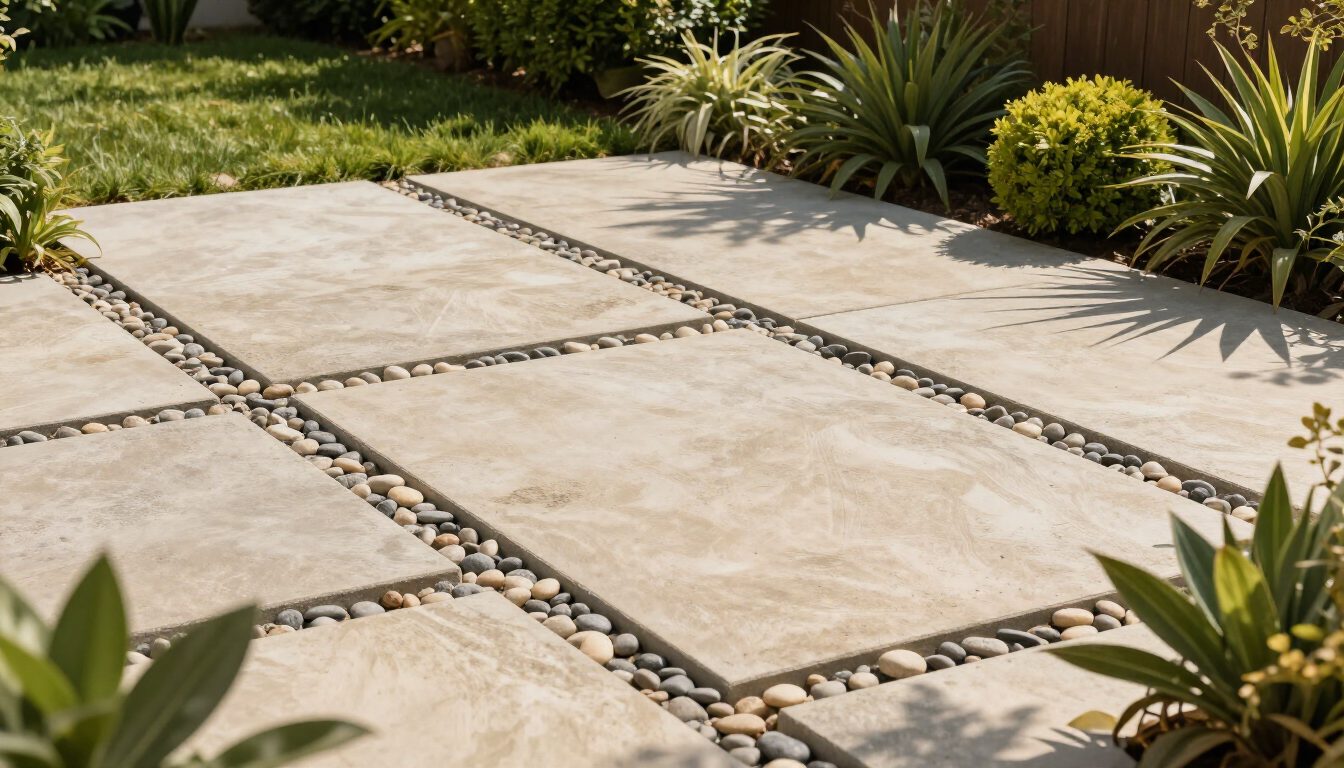
Perfect Backyard Patio with Slabs and Pebbles in Between: A Smart, Stylish Choice for Brampton Homes