Why May and June Are the Best Months for Sodding in Ontario
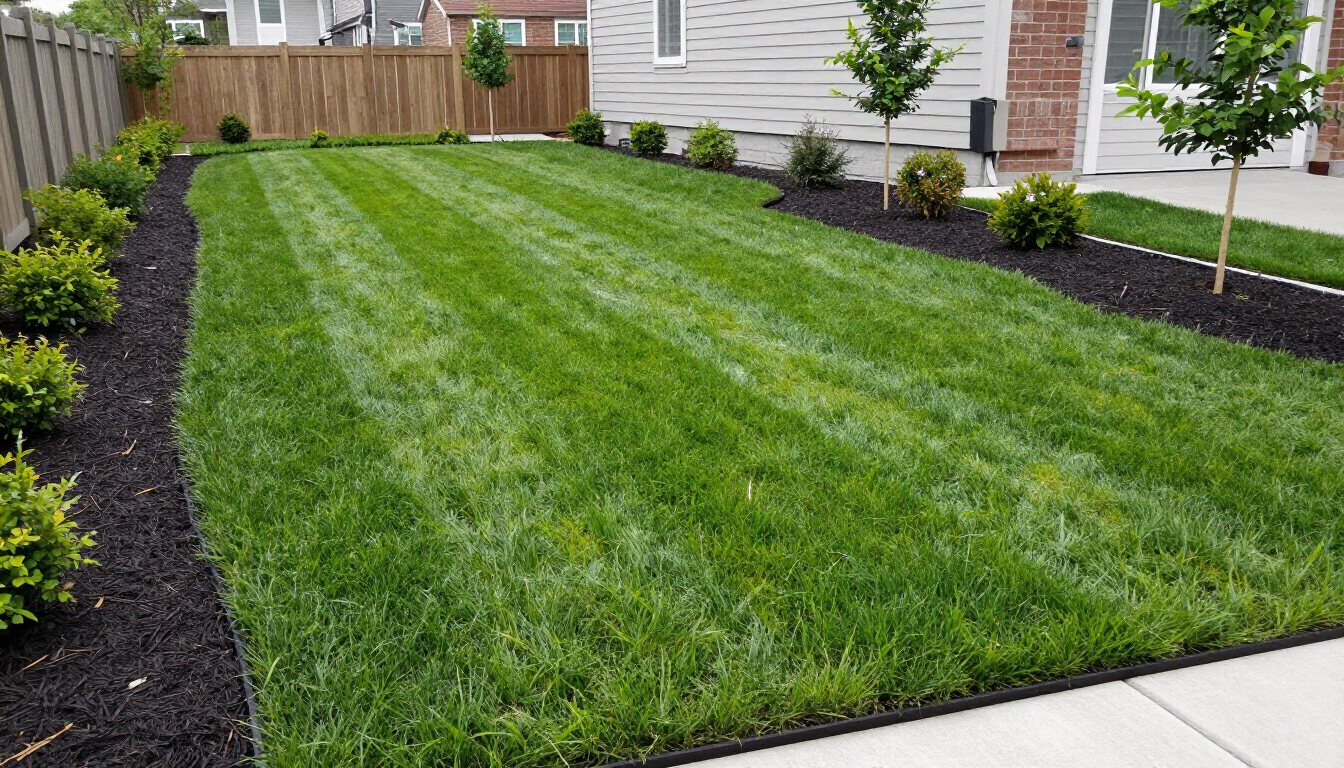
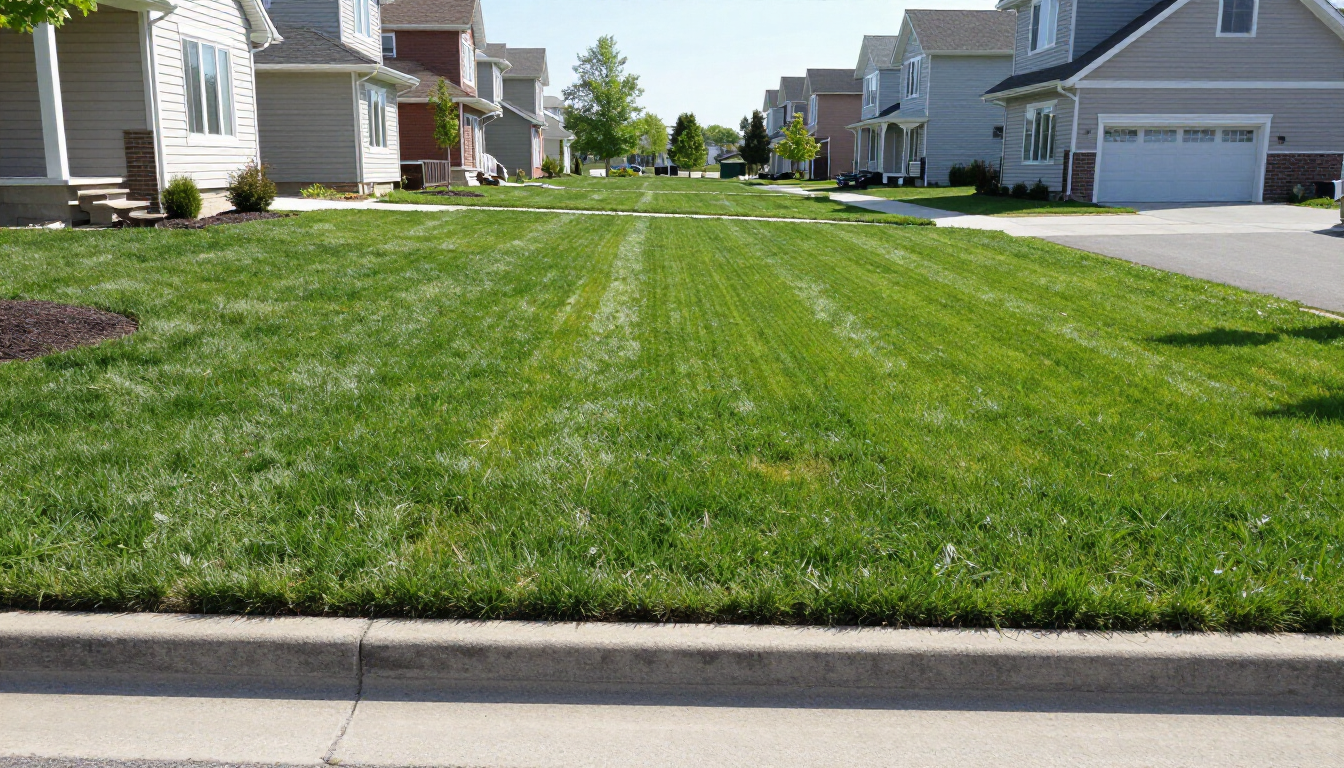
There’s a reason so many homeowners plan their new lawn for late spring. If you want sod to root quickly, stay consistently green, and carry less risk through its “new lawn” period, May and June are often the best months of the year to install sod in much of Ontario. The weather is warming up, the soil is alive and active, and the extreme heat of midsummer usually hasn’t arrived yet—creating a sweet spot where turfgrass can transition from “laid” to “established” with less stress.
In this post, we’ll break down why May and June are ideal for sodding , what conditions you should aim for, and how to care for your sod so it knits into the soil and becomes a durable, thick lawn you can enjoy all season. Have you ever wondered why sod sometimes looks perfect on day one, then struggles a week later? Timing (and after-care) are usually the answer.
1. Soil temperatures in May and June help sod root faster
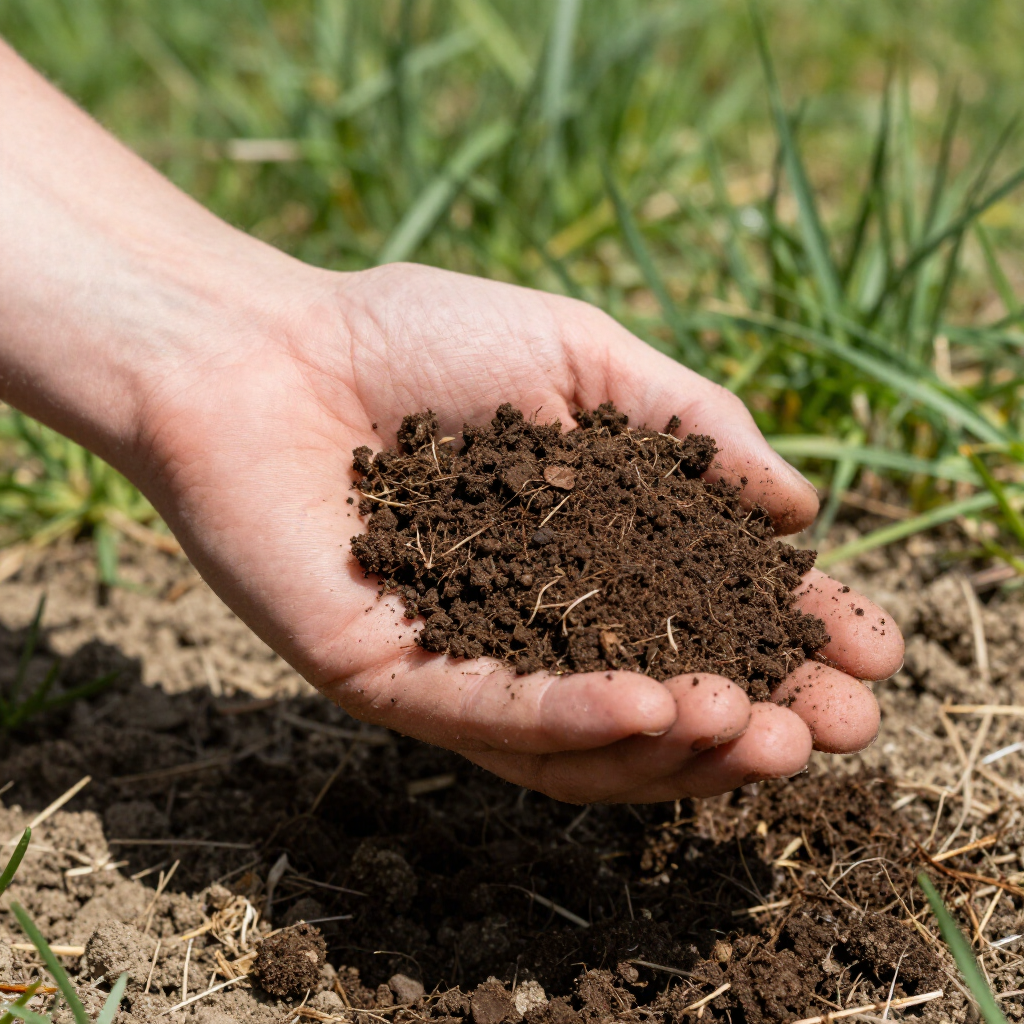
Sod is mature grass with a thin layer of soil and roots attached, but it’s still a transplant. After installation, its main job is to push new roots down into your yard’s soil. That happens best when the soil is warm enough to support growth, but not so hot that it dries out faster than you can keep up with.
In May and June, soil temperatures typically rise into a range that encourages strong rooting and steady growth. The grass is “awake,” and the biology in your soil—microbes, earthworms, and natural nutrient cycling—also becomes more active. This helps the sod knit in, which means it becomes less dependent on frequent surface watering over time.
When sod roots quickly, it’s more resilient. It can handle slight watering mistakes, brief warm spells, and regular foot traffic sooner. That’s why a May/June install often feels like it “takes off” compared to sod laid in colder shoulder-season conditions.
As a simple check, ask yourself: Is the ground no longer cold to the touch in the morning? If the soil is warming and workable, sod can establish more predictably.
2. Spring moisture makes watering easier to manage
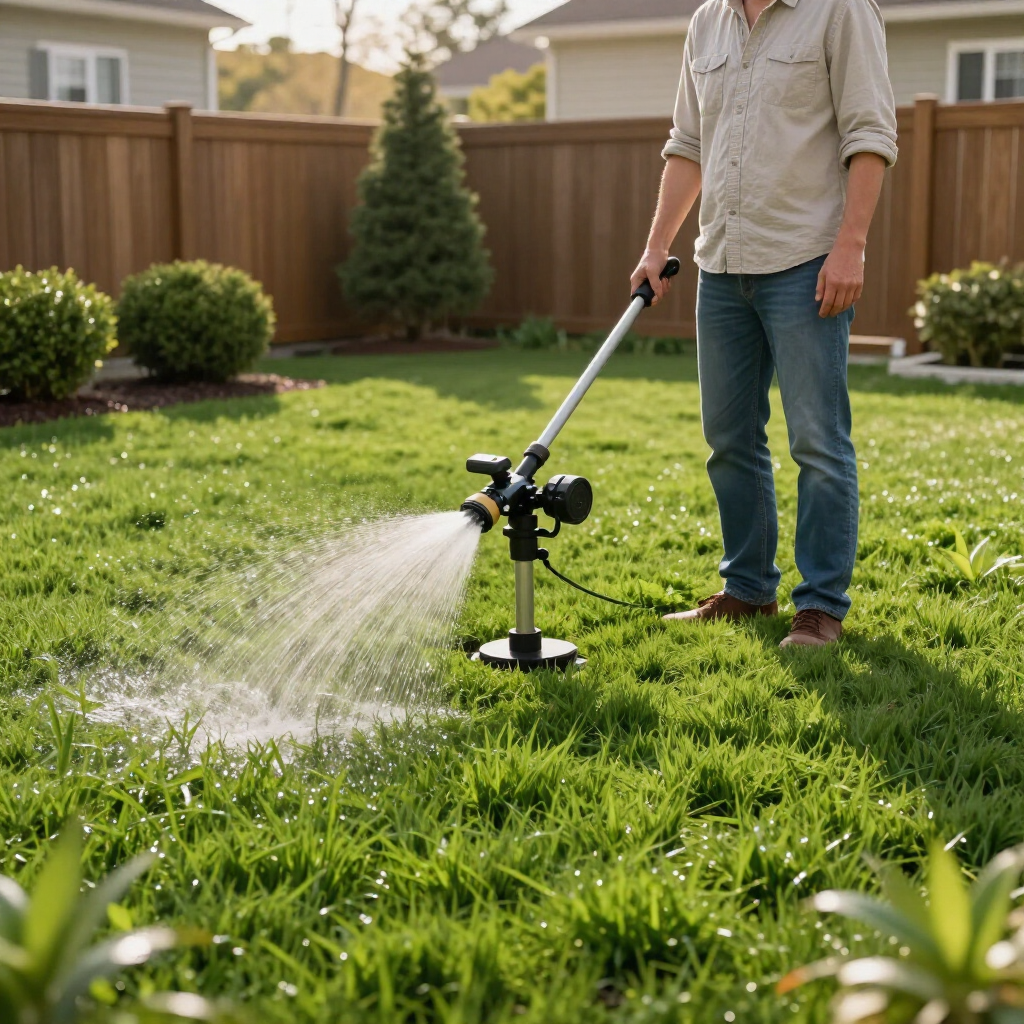
New sod needs consistent moisture near the surface at first, because the roots are shallow and still reconnecting. Late spring often brings a mix of rainfall and moderate temperatures, which supports that early stage without forcing you into constant, heavy irrigation.
May and June are especially helpful because evaporation tends to be lower than in July and August. Your watering schedule can be more forgiving: fewer scorching days, fewer “bake-dry” afternoons, and a lower chance of heat stress that can turn edges brown.
That doesn’t mean you can skip watering—new sod still needs attention—but the environment gives you a better margin of error. It’s easier to keep the sod evenly moist across the entire lawn, including tricky areas like sunny corners, slopes, and along driveways.
If you’ve ever asked, “Why does sod dry out in patches?” it’s usually because water coverage isn’t uniform, or because certain zones lose moisture faster. Spring conditions reduce how extreme those differences can become.
3. Less weed pressure than later summer installs
Weeds are opportunists. Bare soil, thin turf, and stressed grass are openings they can exploit. The sooner your sod roots, thickens, and starts growing vigorously, the faster it closes the door on many common weeds.
In May and June, your sod has enough time to establish before peak summer heat. That matters because heat-stressed turf tends to thin out, and thin turf invites weeds. A spring install often produces a denser lawn by mid-summer, which naturally shades the soil surface and reduces weed germination.
Also, many broadleaf weeds and annual grasses become more aggressive as summer progresses. When your lawn is already thick and healthy going into that period, you’re starting from a stronger position.
Good preparation makes this even better: a clean, graded base and proper soil contact reduce the gaps where weeds can gain a foothold.
4. You avoid the toughest part of the year: midsummer heat stress
Sodding can be done in summer, but it’s harder. Hot weather accelerates evaporation and increases the stress on newly installed turf. The same lawn that would establish calmly in late spring may require significantly more water and monitoring in July or August.
Heat also raises the stakes of small mistakes. A missed watering window, an under-performing sprinkler zone, or an especially windy day can dry out sod quickly—especially along seams and edges. Once sod dehydrates severely, recovery can be slow and uneven.
By installing in May or June, you’re often giving your lawn a head start. The roots can get anchored before the most demanding weather arrives, which means the grass is better equipped to handle hot spells with fewer setbacks.
Think of it like training before a long run: a lawn that’s already established by mid-summer is simply more capable.
5. Better timing for fertilizing and mowing routines
Spring is naturally a time when homeowners reset lawn routines—cleanups, edging, garden prep, and irrigation checks. Sodding in May and June fits into that rhythm, so it’s easier to stay consistent with what new turf needs.
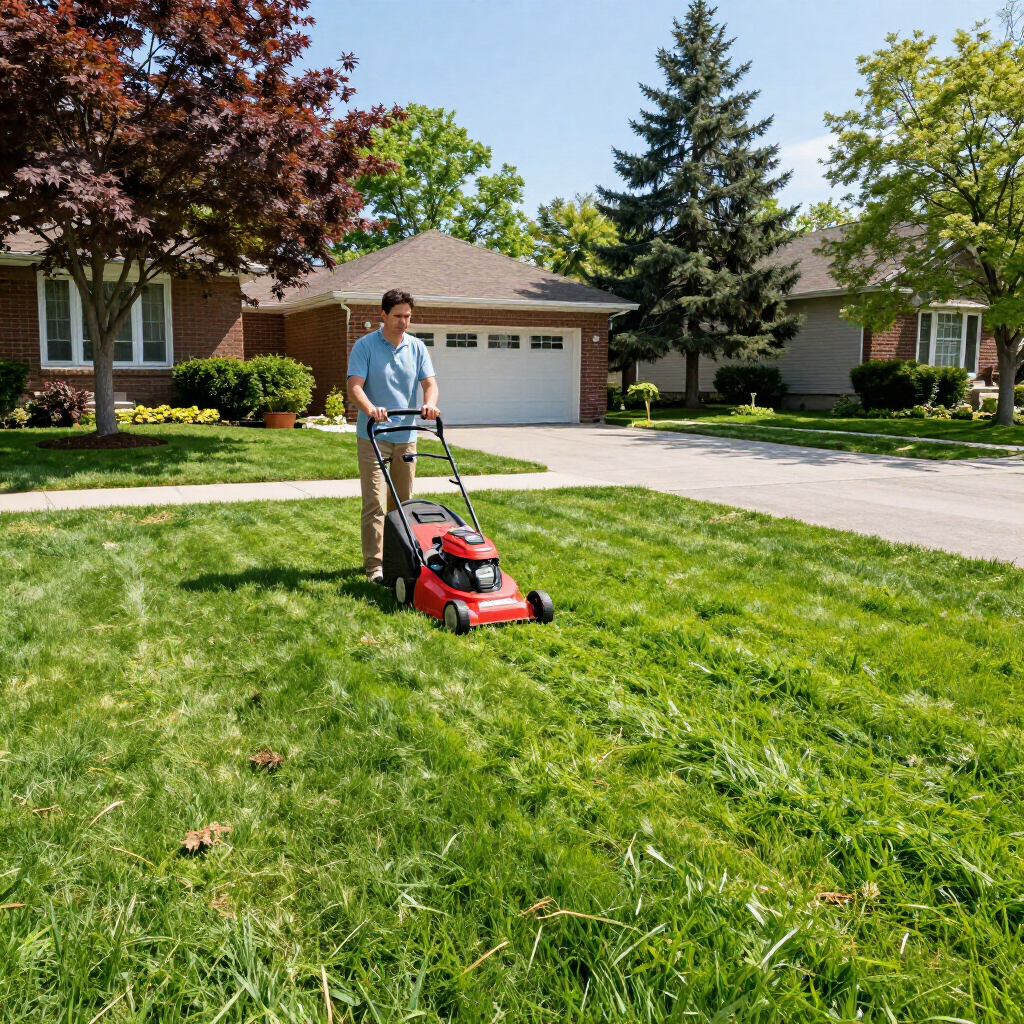
Once the sod has rooted enough (a gentle “tug test” can help—if it resists lifting, roots are taking hold), you can transition into a normal mowing routine. Regular mowing at the proper height encourages thicker turf and stronger roots, and it improves the look quickly.
Fertilizing can also be timed more effectively. Many lawns benefit from a balanced feeding plan in late spring/early summer, and a May/June installation aligns well with growth cycles. The key is to avoid over-fertilizing new sod, which can create stress or burn, especially in warm conditions.
If you’re unsure, it’s worth asking: Should I fertilize right away, or wait until rooting is strong? The answer often depends on what the sod farm used and what your soil test suggests, but late spring gives you a stable window to plan it correctly.
Practical tips for successful May/June sodding
- Prep matters: Remove debris, grade for drainage, loosen and amend topsoil if needed, and ensure a smooth base.
- Install fast: Sod is perishable. The sooner it goes from pallet to ground, the better it performs.
- Water immediately: Water right after installation, and keep it consistently moist during the first phase.
- Focus on edges and seams: These dry first. Check them daily during warm spells.
- Avoid heavy traffic: Give it time to root before hosting backyard games or moving heavy items across it.
Conclusion
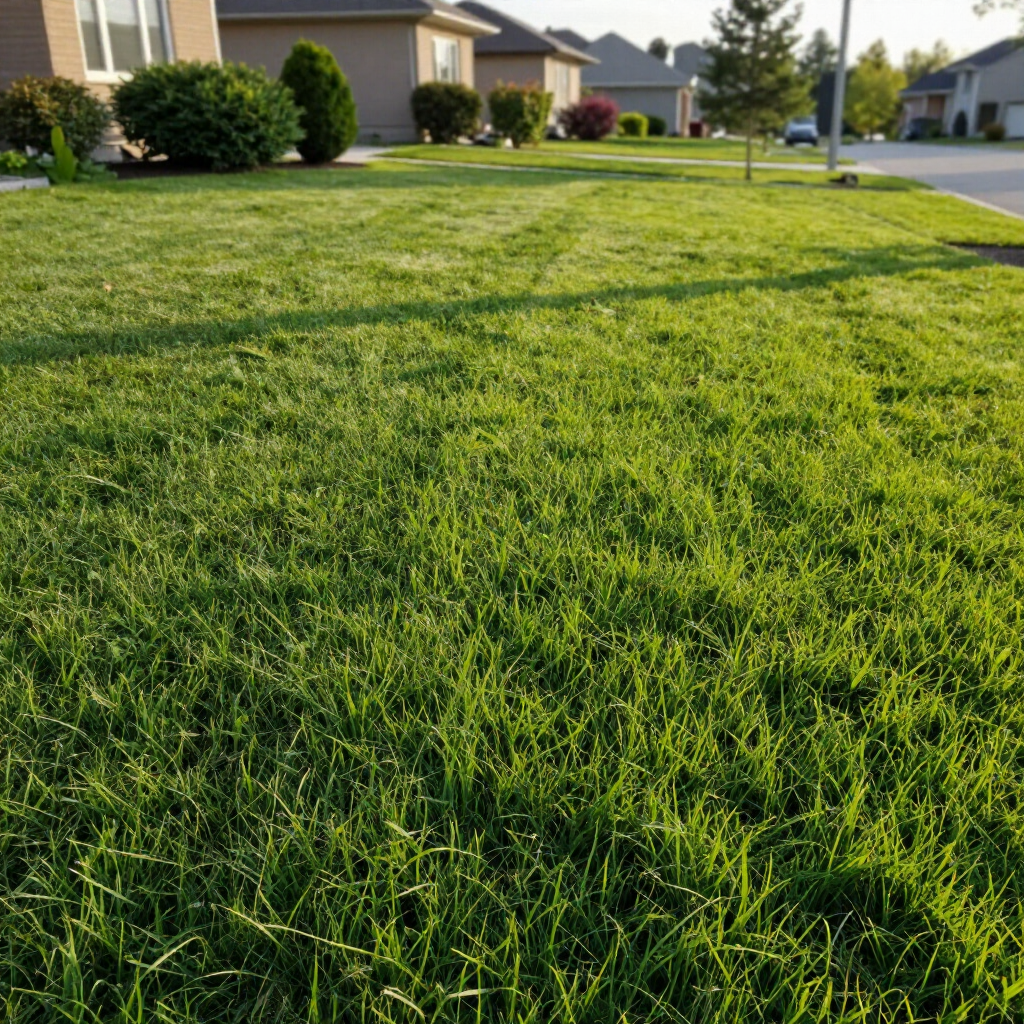
May and June combine the factors that new sod loves: warming soil, manageable temperatures, and generally more cooperative moisture conditions. With the right preparation and consistent watering, a late-spring installation can establish quickly and carry you into summer with a thicker, healthier lawn and fewer headaches.
If you’d like help planning the right timing or after-care for your yard, keep an eye on our blog for more seasonal lawn tips—or reach out to our team for guidance tailored to your property’s sun, soil, and watering setup.
Share This Blog
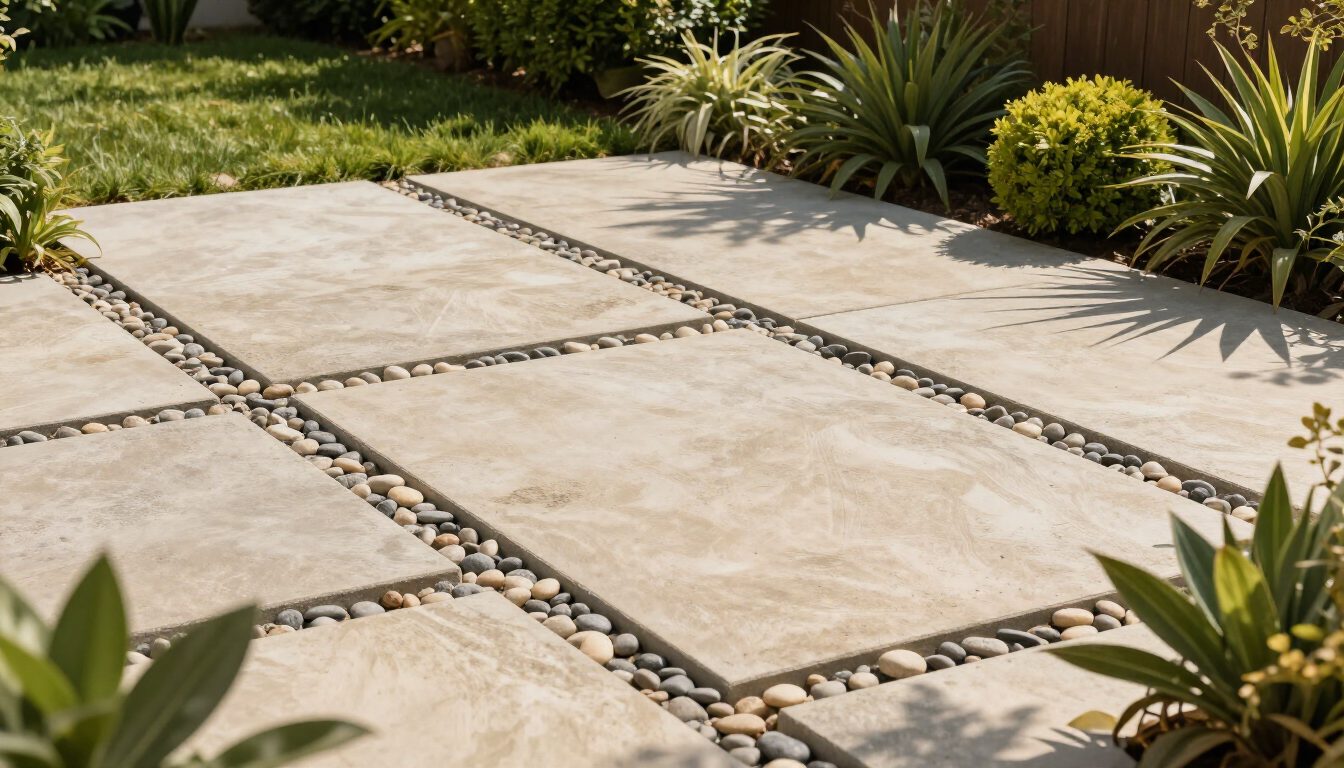
Perfect Backyard Patio with Slabs and Pebbles in Between: A Smart, Stylish Choice for Brampton Homes