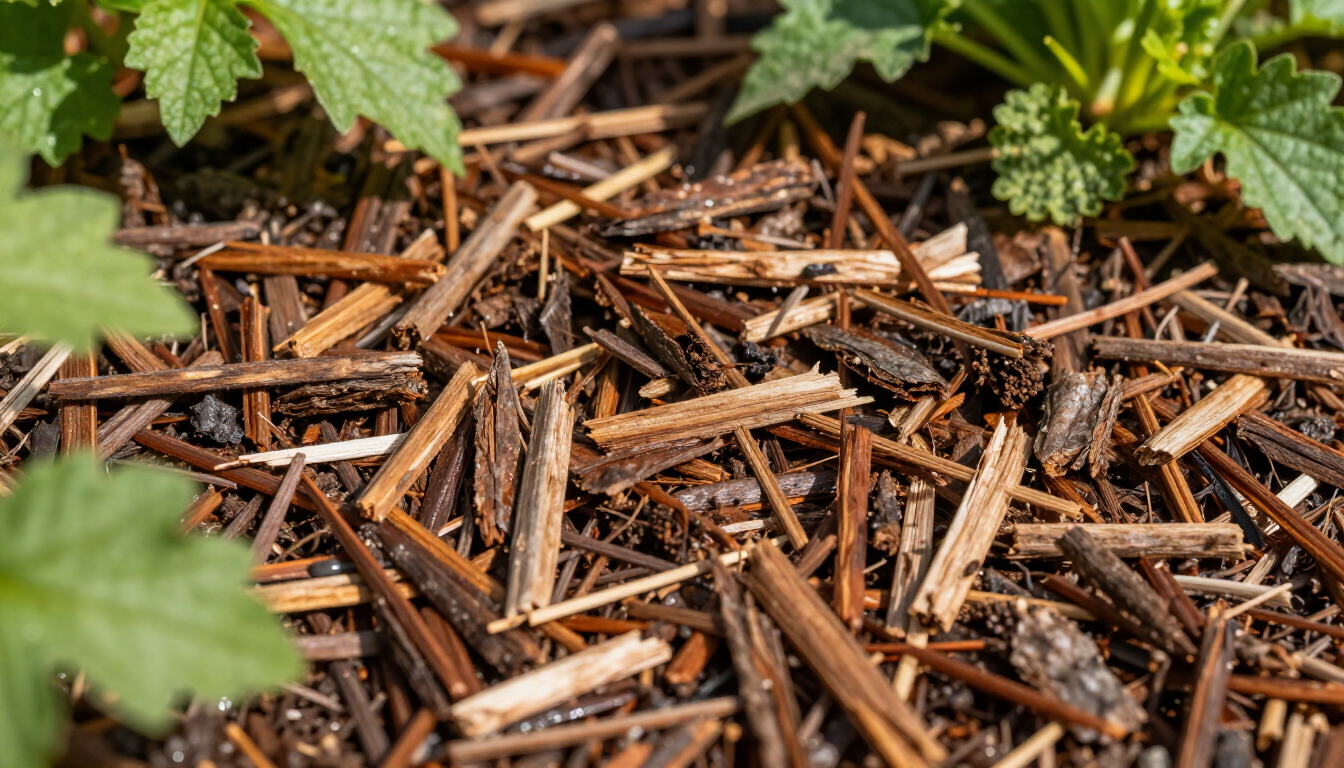
Rain Gardens: A Natural Fix for Yard Drainage Problems
Puddles near your foundation, soggy lawn patches, and water running off your property after every storm aren’t just annoying—they can lead to erosion, damaged landscaping, and long-term moisture problems. One of the most effective landscaping drainage solutions is also one of the most beautiful: a rain garden . A properly designed rain garden captures stormwater, holds it briefly, and lets it soak into the ground naturally—helping you manage runoff while creating a vibrant planted feature.
1. What is a rain garden (and why landscapers recommend them)?
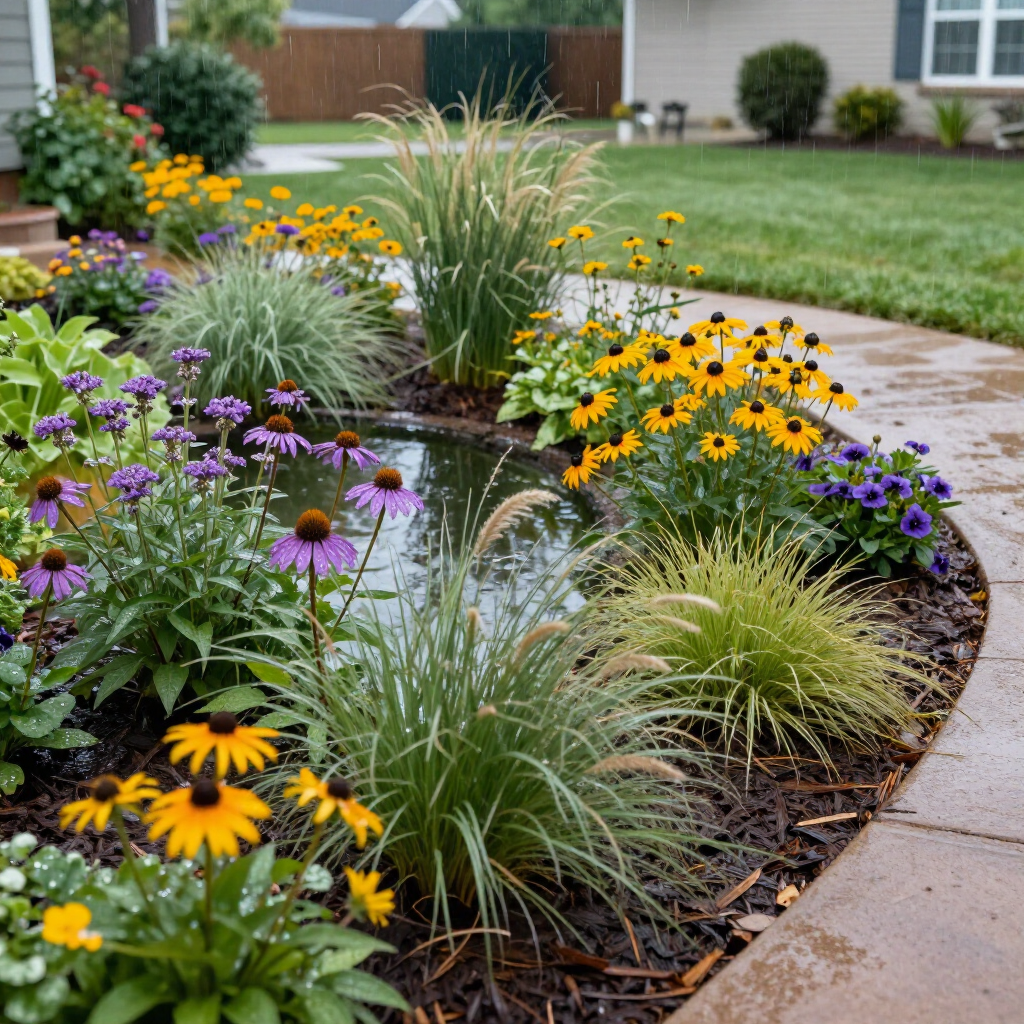
A rain garden is a shallow, bowl-shaped planting bed designed to collect water from hard surfaces like roofs, driveways, patios, and walkways. Instead of letting runoff rush to the street—or pool in the lowest spot in your yard—the rain garden slows water down and filters it through soil and plant roots.
Many homeowners look for a quick fix when searching things like yard drainage , backyard drainage solutions , or landscaping to fix drainage . A rain garden stands out because it addresses the root problem: too much water moving too fast over compacted soil and slopes. By increasing infiltration, it reduces standing water and helps stabilize your landscape.
Because it’s both functional and attractive, a rain garden can be integrated into existing landscape design (beds, pathways, downspout routing, and grading). It’s a common recommendation from a professional landscaper or landscape contractor when the goal is long-term stormwater management without relying only on pipes.
2. How a rain garden helps solve water drainage issues
Rain gardens work by combining grading , soil , and plants to create a “soak-in zone.” Water is directed into the basin, spreads out, and then percolates into amended soil. Ideally, the garden drains within 24–48 hours—fast enough to prevent standing-water issues while still soaking in a large volume of runoff.
Here are common drainage problems a rain garden can help with:
- Downspout discharge that floods garden beds or creates erosion
- Low spots that collect water after rain
- Runoff from driveways that washes soil and mulch away
- Water moving toward the foundation (when paired with proper grading and routing)
Have you noticed water always pooling in the same place, no matter how much seed or topsoil you add? That repeat pattern is often a sign that your yard needs a true landscape drainage solution —not just surface patching.
3. Where to place a rain garden
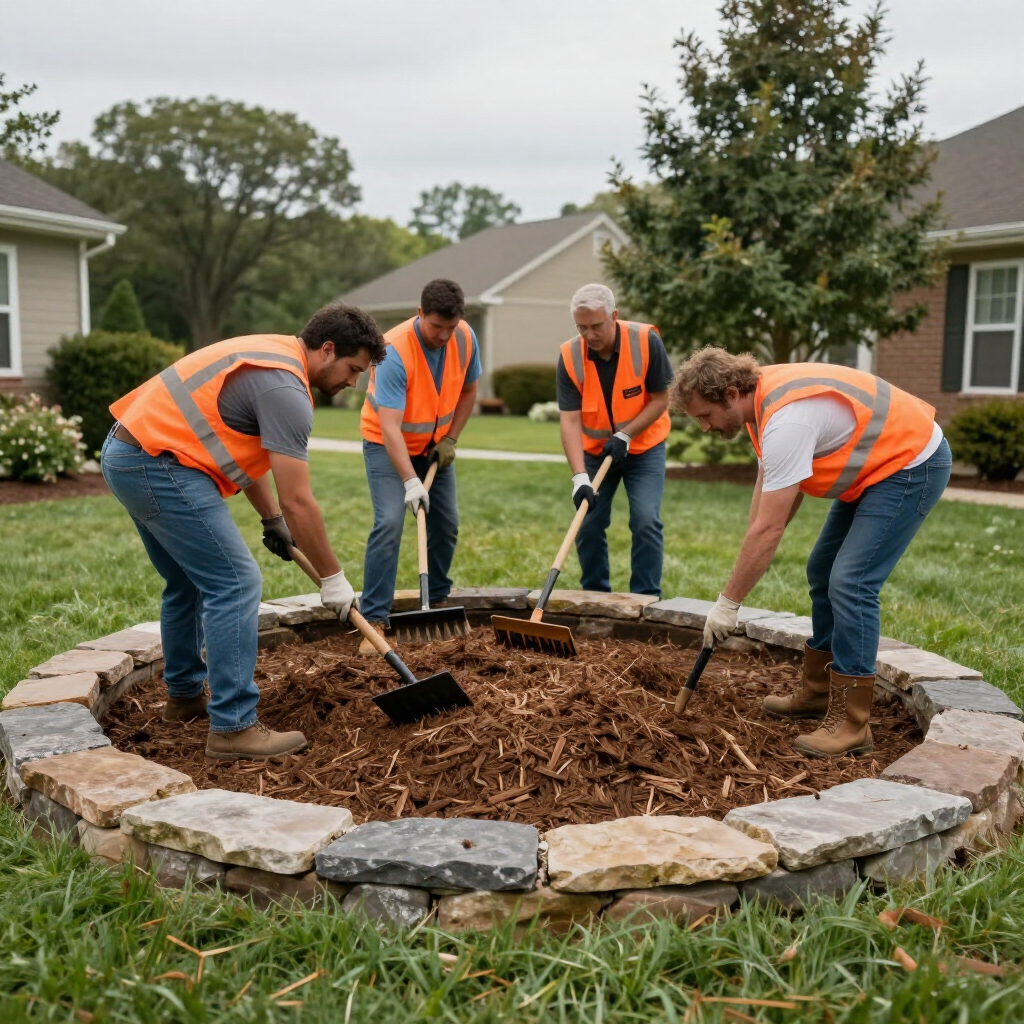
Placement is critical. A rain garden should be located where it can receive runoff easily, but not so close to structures that it risks moisture problems. As a general best practice, many landscapers place rain gardens a safe distance away from foundations and avoid installing them over utility lines or septic systems.
Good locations often include:
- Near a downspout (with a swale, buried drain line, or splash path directing water)
- At the base of a gentle slope where water naturally collects
- Along the edge of a driveway where runoff concentrates
If your property has heavy clay soil or persistent compaction, a professional can help with soil amendments and grading to make sure the garden drains properly. That’s where experienced landscaping services matter—rain gardens are simple in concept, but performance depends on correct design.
4. Best plants for a rain garden (with practical suggestions)
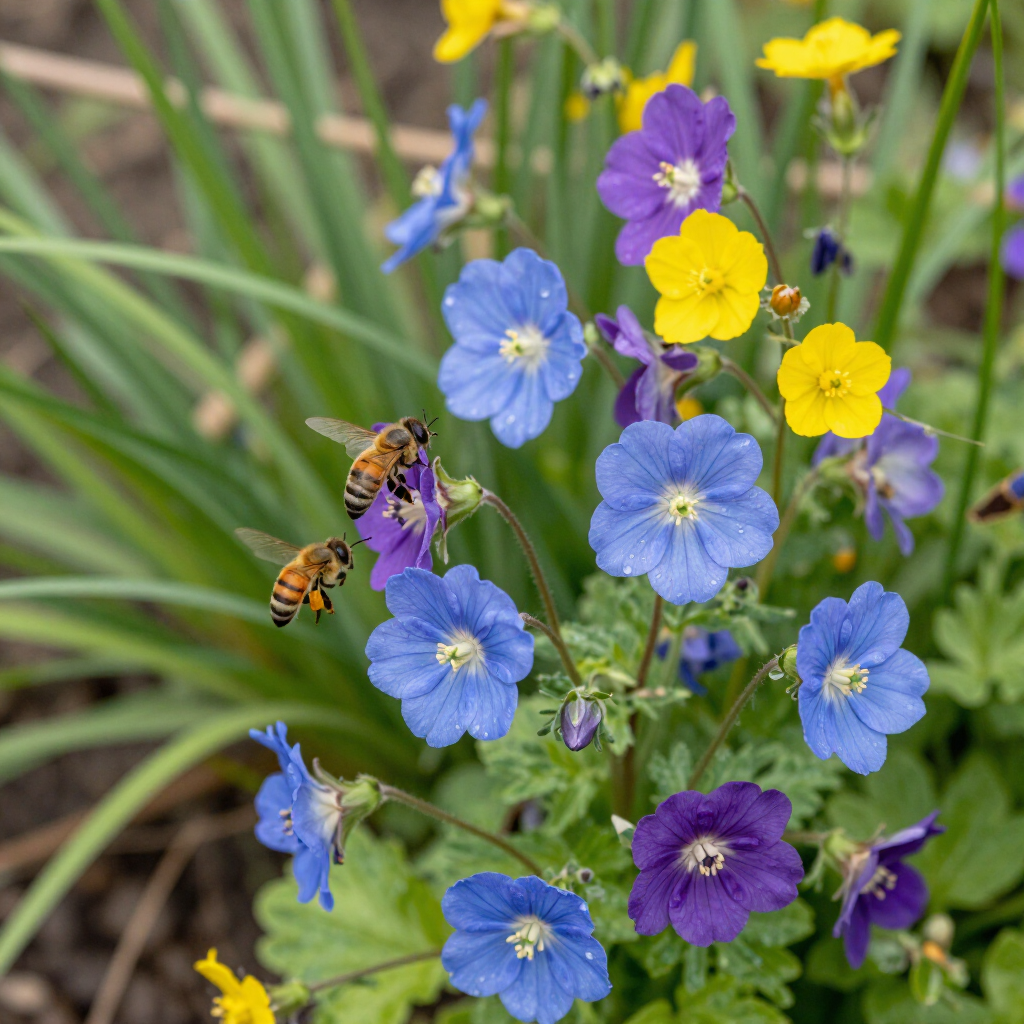
The best rain garden plants tolerate both wet conditions (right after storms) and drier periods (between rain events). Many homeowners also want plantings that look great, support pollinators, and require minimal maintenance once established—perfect goals for sustainable landscape design .
Here are popular, rain-garden-friendly options that are commonly used in cooler climates, including many Canadian landscapes (always confirm what’s best for your specific site conditions):
- Blue Flag Iris ( Iris versicolor ) – great for wetter zones and showy blooms
- Swamp Milkweed ( Asclepias incarnata ) – supports monarchs and handles moist soil
- Cardinal Flower ( Lobelia cardinalis ) – striking red blooms for damp areas
- Joe-Pye Weed ( Eutrochium purpureum ) – tall, pollinator-friendly, thrives with consistent moisture
- Switchgrass ( Panicum virgatum ) – strong roots for infiltration and erosion control
- Little Bluestem ( Schizachyrium scoparium ) – drought-tolerant edges and seasonal color
- Red Osier Dogwood ( Cornus sericea ) – shrub option for structure and winter interest
- Black-Eyed Susan ( Rudbeckia hirta ) – reliable color for the drier outer ring
A simple way to plan planting is to treat the rain garden like three zones: the wet center (handles occasional pooling), the middle slope (moist but drains faster), and the drier outer edge (blends into the rest of your landscaping). Want a rain garden that looks full and professional in its first season? Ask your landscaper about plant spacing, mature sizes, and a mix of blooms across spring–fall.
5. Maintenance and long-term performance
In the first year, maintenance is mostly about establishment: consistent watering during dry spells, light weeding, and checking that inflow areas aren’t clogging with sediment or debris. After plants root in, rain gardens are typically low-maintenance compared to turf in wet areas.
For long-term performance, it’s important that the garden continues to drain properly. If you ever notice the basin holding water longer than 48 hours, or you see new puddling upstream, it may be time for a quick inspection of grading, soil compaction, or inflow routing—especially after harsh winters or heavy storms.
Conclusion
A rain garden is one of the best ways to combine beauty and function when you’re dealing with water drainage issues . By capturing runoff, improving infiltration, and using the right plants, it can reduce puddles, limit erosion, and support a healthier landscape overall. If you’re searching for a landscaper to help with yard drainage , stormwater management , or rain garden installation , a professionally designed rain garden can be a smart, lasting investment.
If you’d like, tell me what problems you’re seeing (standing water, downspout flooding, driveway runoff, soggy lawn), and I can suggest the best rain-garden layout and plant zoning to discuss with your landscaping contractor.
Share This Blog
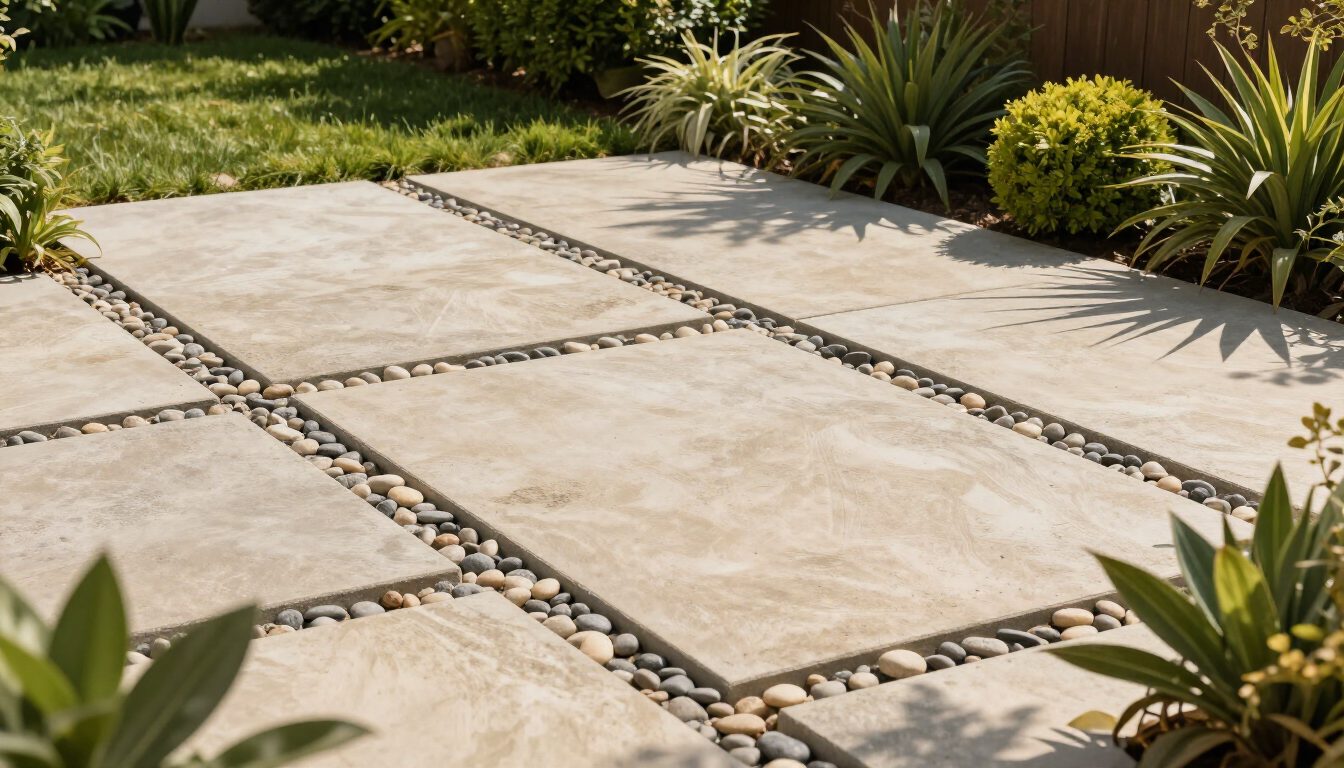
Perfect Backyard Patio with Slabs and Pebbles in Between: A Smart, Stylish Choice for Brampton Homes