Lawn Fertilizer Guide for Brampton & the GTA: When & How to Apply
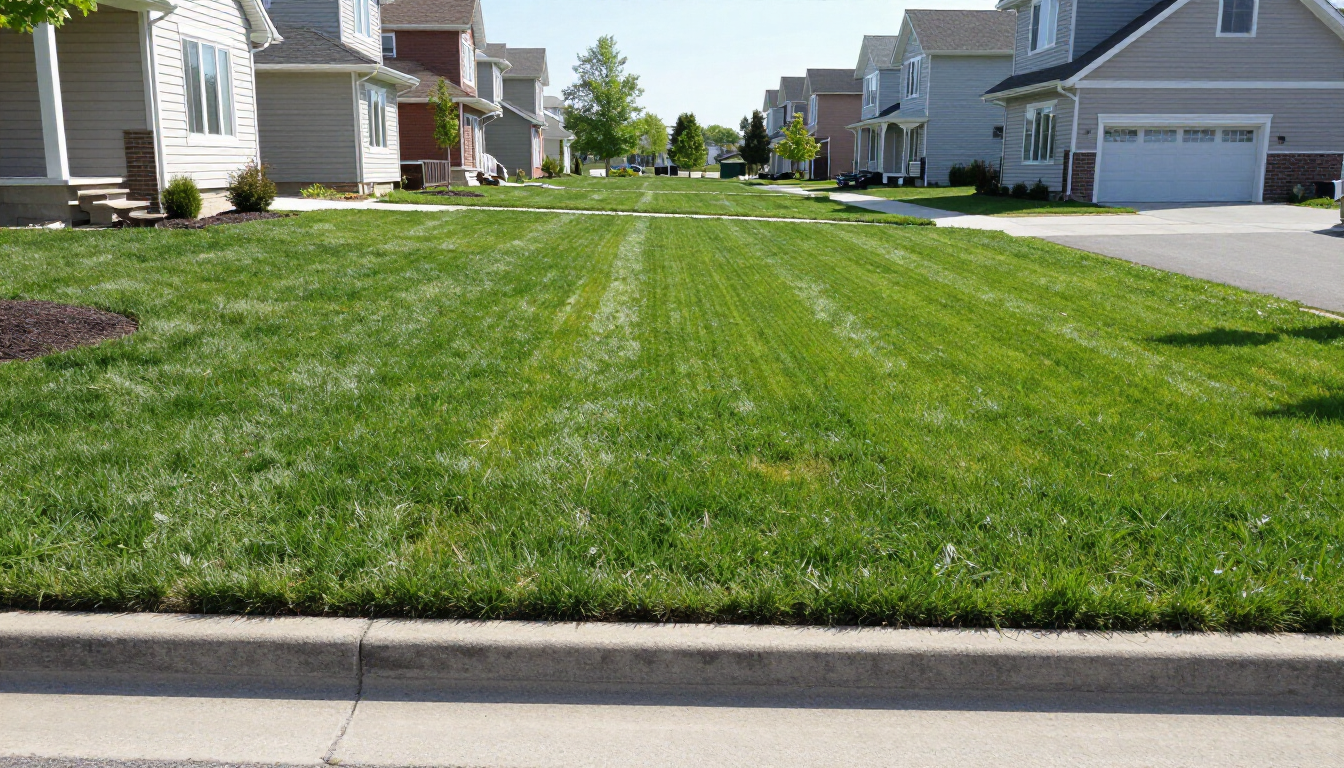
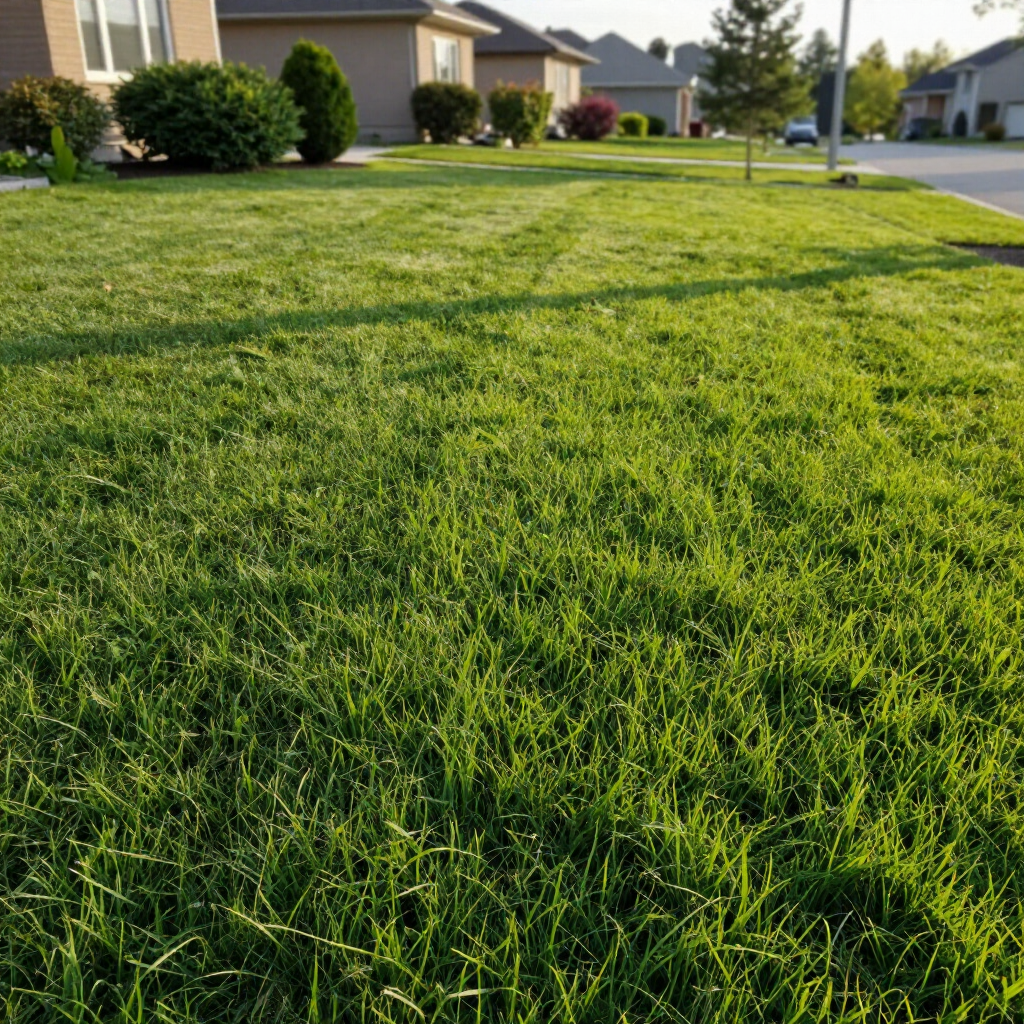
If you’ve been searching “best lawn fertilizer in Brampton” , “when to fertilize lawn in Ontario” , or “how to apply grass fertilizer” , you’re not alone. In Brampton and across the GTA, our cool-season lawns (typically Kentucky bluegrass, fescues, and ryegrass) need the right feeding schedule to stay thick, healthy, and deep green—especially with hot summers, compacted soil, and weed pressure.
1) What lawn fertilizer does (and why GTA lawns need it)
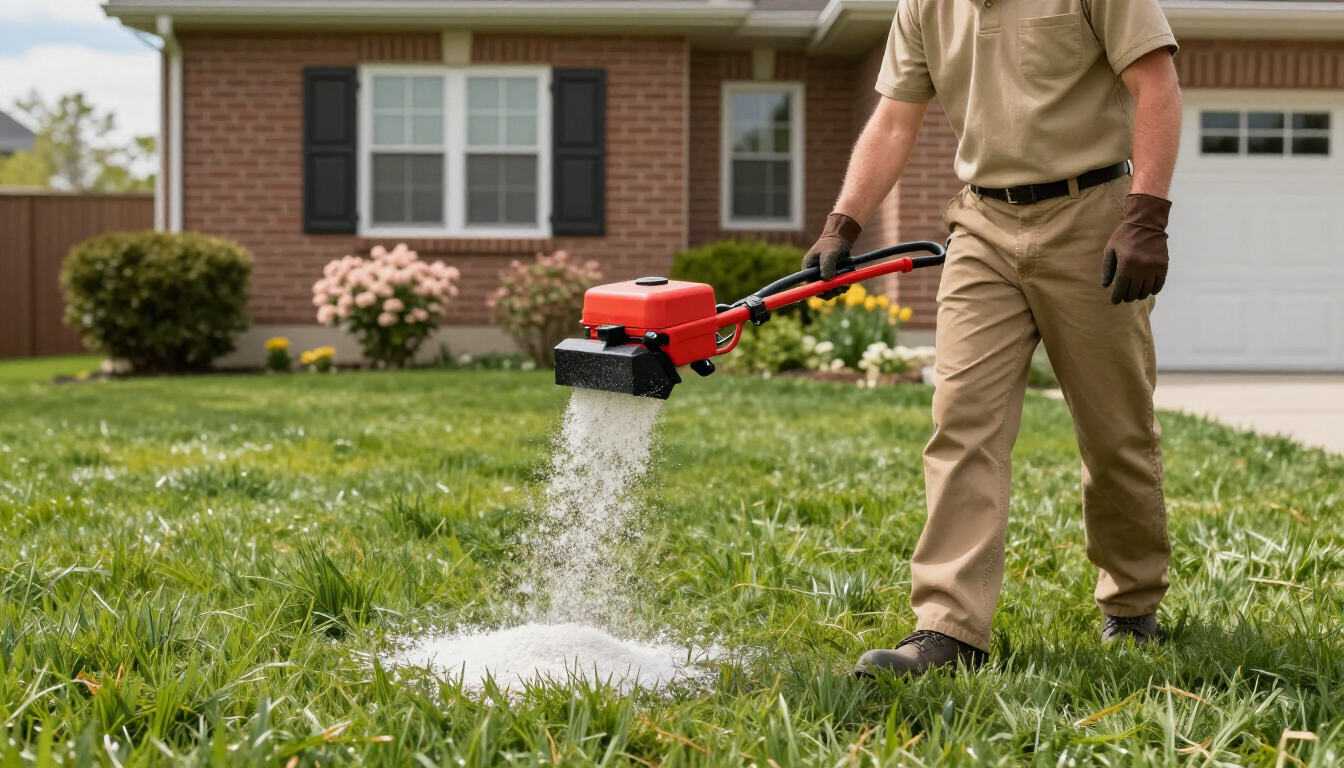
Lawn fertilizer replaces nutrients that get used up by growth, mowing, and weather. A properly fertilized lawn develops stronger roots, better colour, and improved resilience against drought, insects, and thinning.
Most fertilizers list three numbers (for example, 20-5-10 or 24-0-10 ). These represent N-P-K —nitrogen (greening and growth), phosphorus (root support), and potassium (stress tolerance).
- Nitrogen drives greener, thicker grass (the #1 reason most homeowners fertilize).
- Phosphorus is often limited in many Ontario lawn products; it’s mainly helpful for new lawns, sod, or confirmed deficiency.
- Potassium supports stronger turf and better tolerance to heat and cold.
2) Best fertilizer for grass in Brampton & surrounding areas
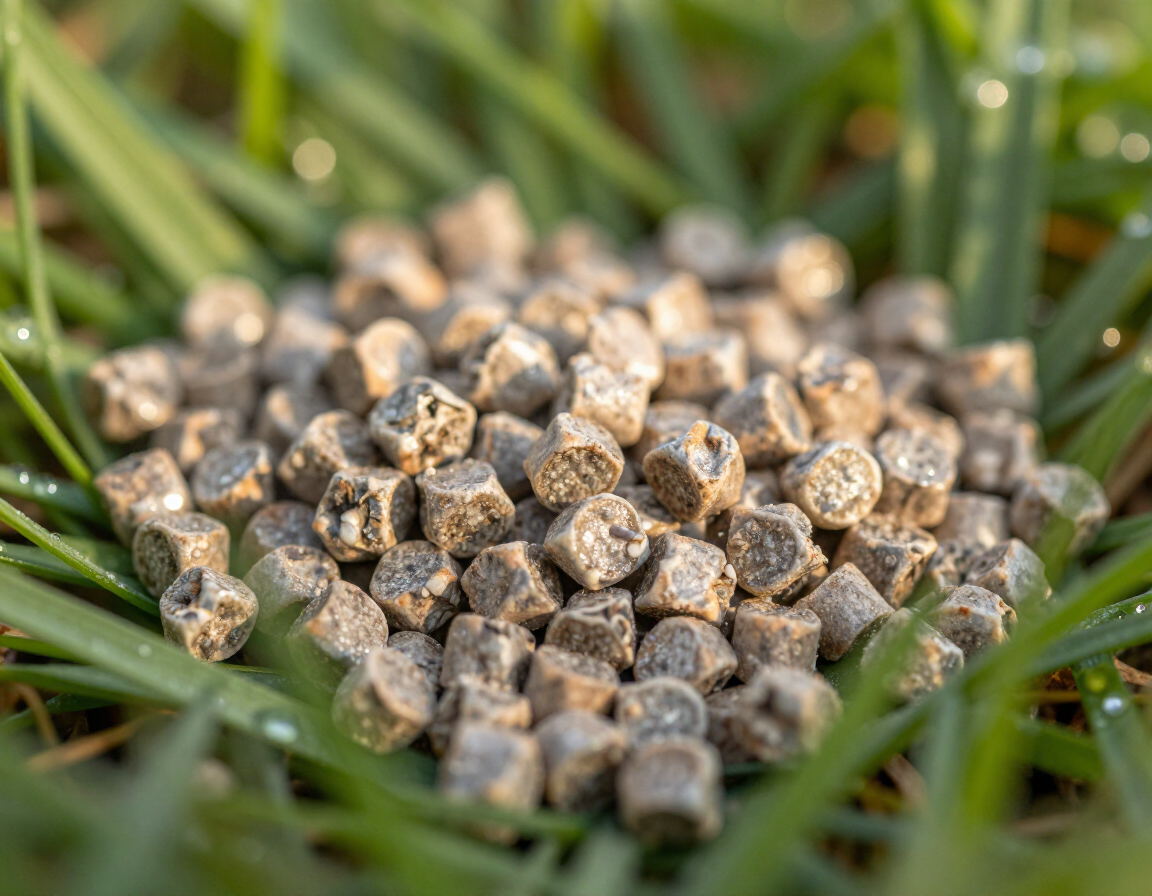
For most established lawns in Brampton, Mississauga, Vaughan, Caledon, Etobicoke, Milton, and Oakville, a slow-release granular lawn fertilizer is a solid choice. Slow-release feeds the lawn steadily and helps reduce the risk of burn compared to quick-release products.
If you’re trying to choose between products, look for these commonly searched features:
- Slow-release lawn fertilizer (steady feeding, fewer growth spikes)
- High nitrogen lawn fertilizer (for colour and density)
- Fall lawn fertilizer (higher potassium for winter hardiness)
- Weed and feed (only if it’s legal/available for your situation and applied correctly—ask before using)
3) When to fertilize your lawn in Ontario (simple Brampton schedule)
The best timing depends on weather, grass type, and how stressed your lawn is. For most GTA lawns, here’s a practical schedule:
- Spring (late April–May): Light to moderate feeding once the lawn is actively growing. This supports recovery from winter.
- Early summer (June): Optional and usually lighter. Over-fertilizing in high heat can stress grass.
- Late summer / early fall (late August–September): One of the most important applications—helps repair summer damage and thicken turf.
- Late fall (October–early November): “Winterizer”-style feeding to support root strength and spring green-up.
Common question: Should you fertilize before or after rain? Ideally, apply when you can water it in (or before a light rain). Avoid heavy downpours that can wash product away.
4) How to apply lawn fertilizer (step-by-step)
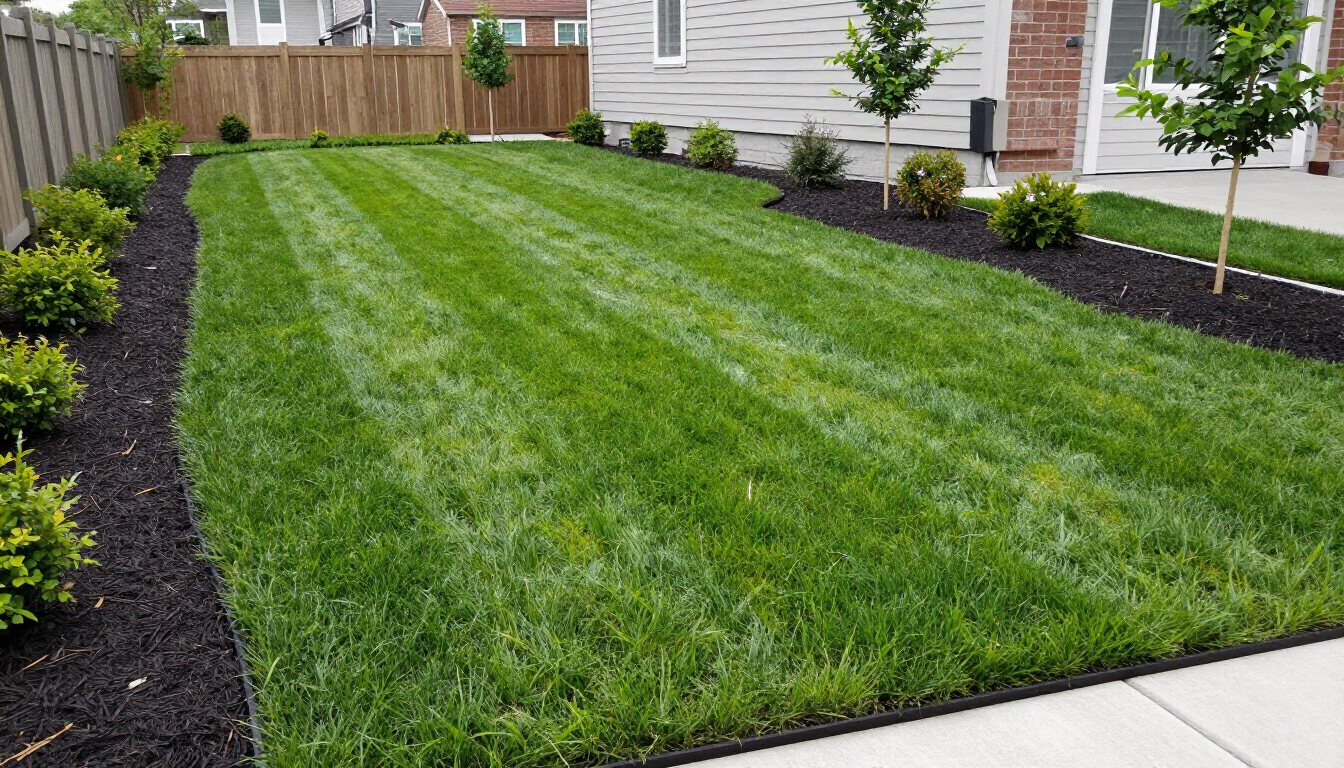
Uneven application is one of the biggest causes of stripes, patchiness, and fertilizer burn. Here’s a safe, proven method:
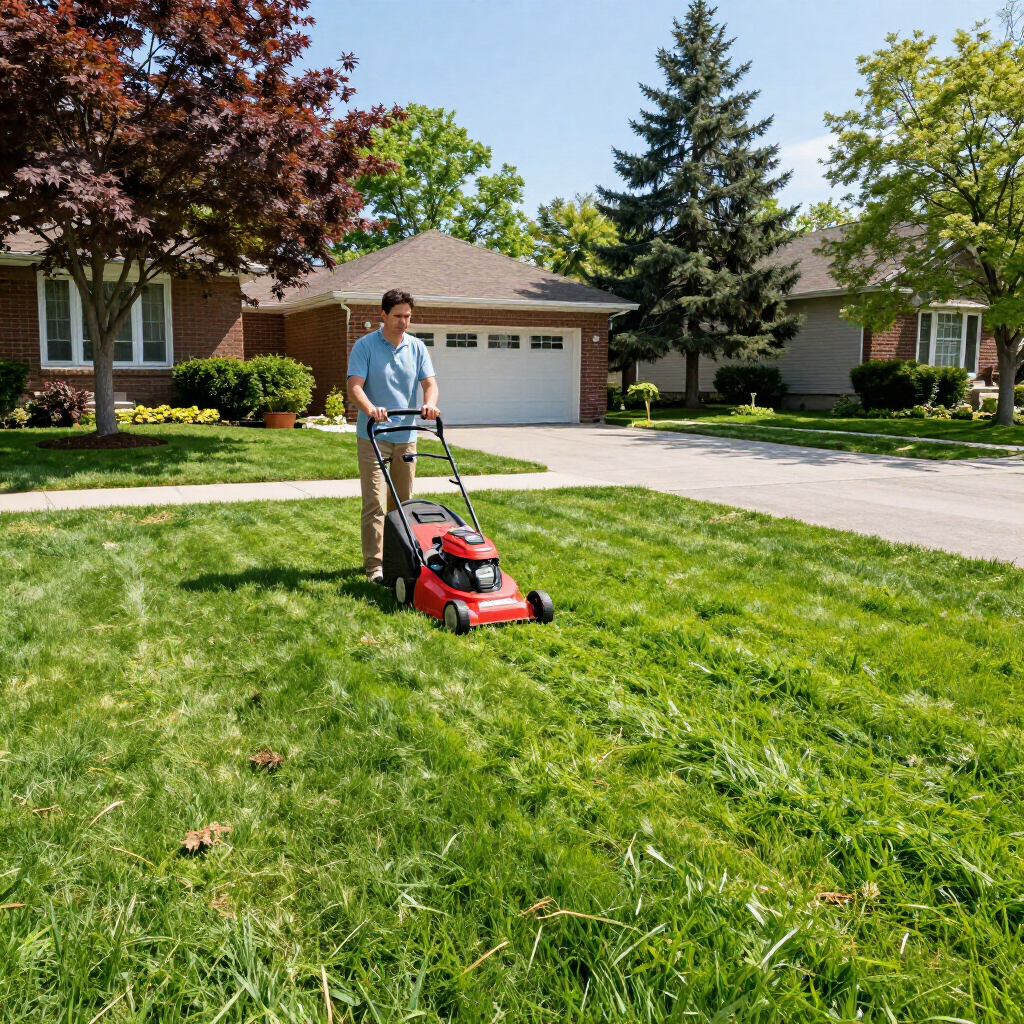
- Mow first (optional): A day or two before fertilizing, mow and remove heavy clippings if needed.
- Check the forecast: Choose a calm day (less wind) and avoid extreme heat.
- Use a spreader: A broadcast spreader is fast for most properties; a drop spreader is more precise near gardens and walkways.
- Measure your lawn: Apply the correct amount for your square footage—more is not better.
- Apply in two directions: Do one pass north–south, then east–west at half rate each time for more even coverage.
- Keep it off hard surfaces: Sweep granules from driveways/sidewalks back onto the grass.
- Water it in: Water thoroughly after application (unless the label says otherwise).
If you’re unsure about spreader settings or product choice, a local team can help. What’s your biggest lawn challenge right now—thin spots, yellowing, weeds, or compacted soil?
5) Tips to keep your grass fresh, green, and stronger all season
- Mow higher: Keep grass around 3 inches. Taller blades shade soil, reduce stress, and help prevent weeds.
- Water deeply, not daily: Aim for about 1 inch per week (including rainfall), preferably early morning.
- Aeration helps fertilizer work better: If your lawn is compacted (common in GTA clay soils), lawn aeration in Brampton can improve nutrient and water penetration.
- Overseed in early fall: A thick lawn crowds out weeds and stays greener longer.
- Don’t over-fertilize in heat: Too much nitrogen during summer stress can backfire.
Quick FAQ
How often should I fertilize my lawn in Brampton?
Most lawns do well with 2–4 applications
per year depending on your goals, irrigation, and soil condition.
Can fertilizer burn my lawn?
Yes—usually from applying too much, applying unevenly, or not watering in. If you ever see dark stripes or yellowing after fertilizing, stop feeding and water deeply.
Need help with lawn care in Brampton & the GTA?
GREENER LAND INC provides lawn and landscaping services across Brampton and all GTA and surrounding areas . If you’d like help choosing the right fertilizer plan, scheduling aeration, or getting your lawn back to thick and green, contact us:
- Phone: 647-766-9906
- Email: greenerlandinc@gmail.com
Popular local searches we support: lawn fertilizer Brampton, lawn care Brampton, grass fertilizer Ontario, when to fertilize lawn Ontario, lawn aeration Brampton, lawn maintenance GTA, landscaping Brampton.
Share This Blog
Perfect Backyard Patio with Slabs and Pebbles in Between: A Smart, Stylish Choice for Brampton Homes