Backyard Drainage Problems: How Weeping Tile Fixes Standing Water
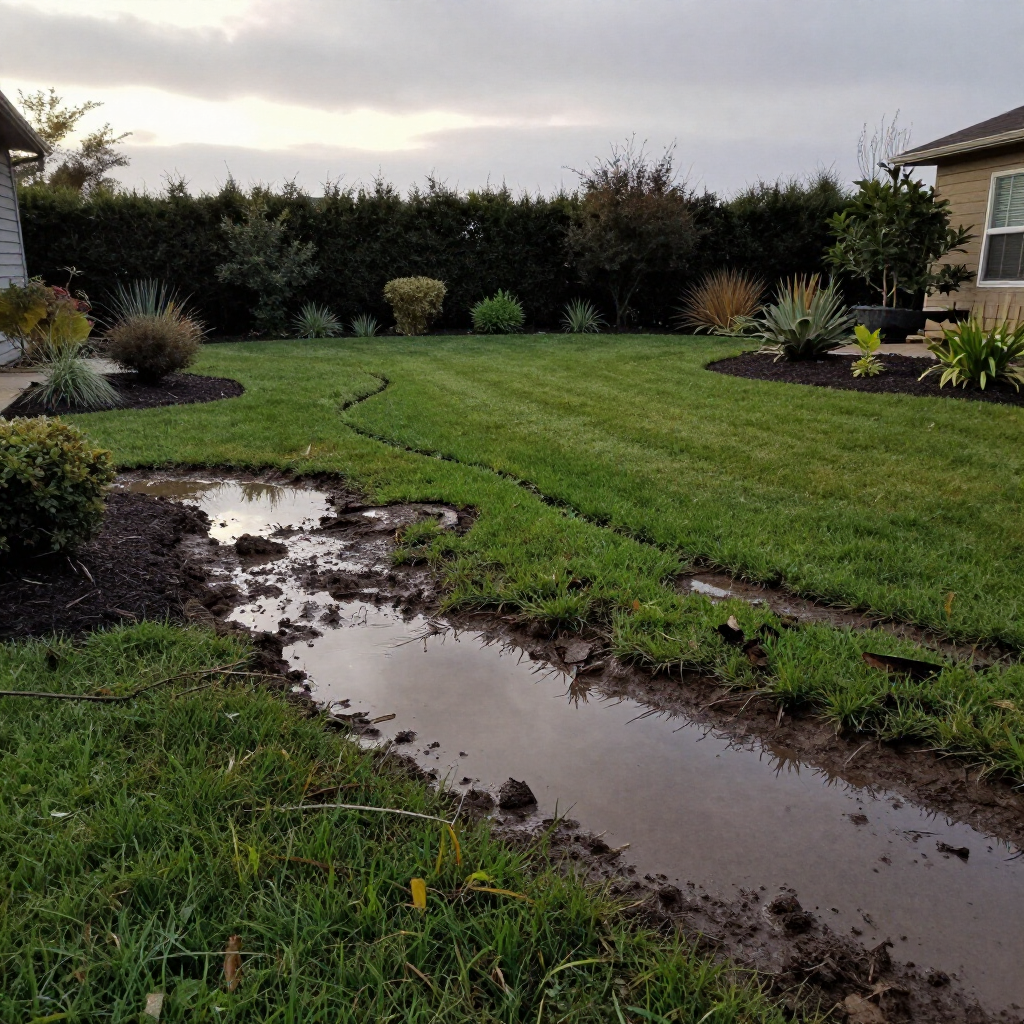
If your backyard turns into a sponge after every rainfall, you’re not alone. Poor yard drainage can turn a beautiful outdoor space into a muddy mess, damage landscaping, and even push water toward your home’s foundation. The good news: in many cases, a properly designed weeping tile (also called a French drain or perimeter drain—depending on how it’s used) is one of the most reliable long-term fixes.
In this guide, we’ll break down why water collects , how to diagnose the source , and what a weeping tile solution looks like when it’s installed correctly. Have you noticed water pooling in the same low spot every time it rains, or soggy grass that never seems to dry out?
1. Common causes of backyard drainage issues
Most drainage problems come down to one basic issue: water has nowhere to go. Your yard may have poor grading (the ground slopes toward the house or toward a low spot), heavy clay soil that drains slowly, or compacted soil from construction and foot traffic that prevents water from soaking in.
Another frequent culprit is downspout discharge . If your eavestrough downspouts dump water near the foundation or into a garden bed, you can end up with saturated soil that migrates into the yard. Over time, this can create persistent wet zones and even contribute to settlement, heaving, or foundation moisture issues.
In some neighborhoods, high groundwater or seasonal snowmelt can overwhelm the soil’s ability to absorb water. This is especially noticeable in spring, when the ground is still partially frozen and water sits on the surface.
Quick check: walk your yard during or right after a rain. Where does the water run? Where does it stop? If you can identify a “collection point,” you’ve already found a big clue.
2. Signs you need more than a quick surface fix
Sometimes a simple re-grade or added topsoil helps—but not always. If you have recurring pooling that returns after every storm, it often means the problem is structural (slope, soil, or groundwater), not cosmetic.
Watch for mossy patches , areas where grass thins out, or sections that feel soft and springy underfoot. These signs usually mean the root zone is staying wet too long, which can lead to fungal issues and poor lawn health.
If water collects near patios, sheds, or fences, it can cause frost movement and premature wear. And if your basement or crawlspace shows dampness around the same time your yard floods, the two problems may be connected.
Question to consider: is the water problem only on the surface, or does the ground stay saturated for days afterward?
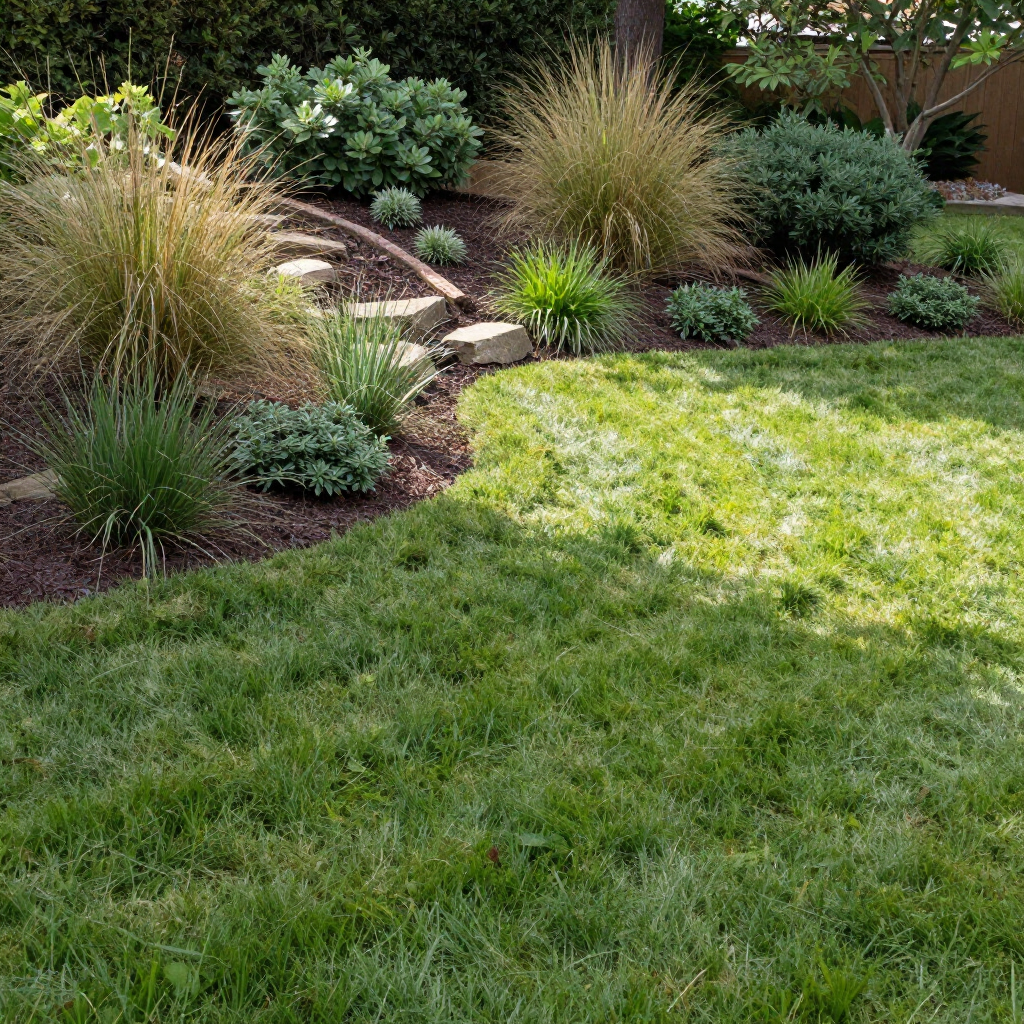
3. What weeping tile is (and how it works)
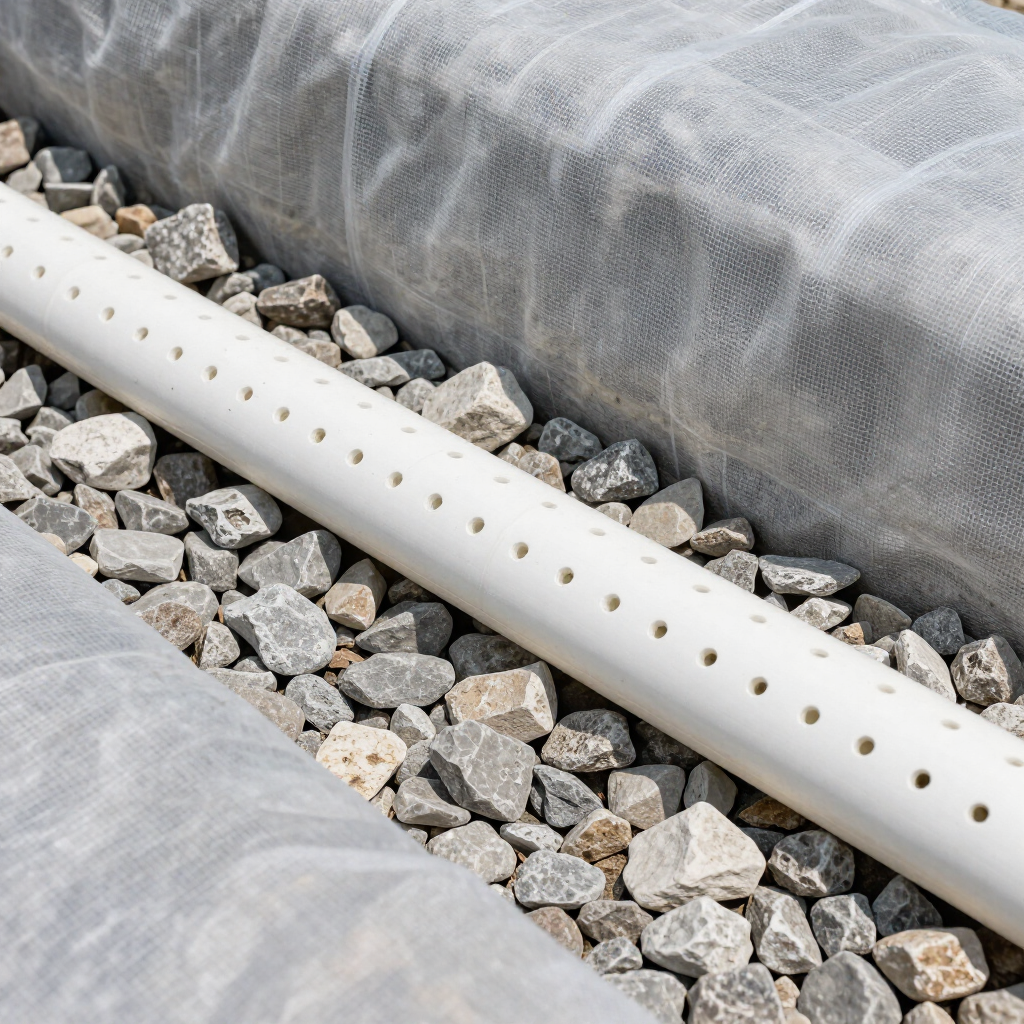
Weeping tile is typically a perforated pipe installed in a trench so it can collect excess water from the surrounding soil. The pipe is surrounded by washed clear stone (gravel) and commonly wrapped with filter fabric to reduce sediment and soil intrusion.
Instead of fighting water at the surface, a weeping tile system gives water a preferred path underground—moving it from saturated areas to a safe discharge point . That discharge might be a storm connection (where allowed), a daylight outlet on a slope, a dry well, or a sump basin depending on the site and local requirements.
When designed correctly, the system does two important things: it reduces standing water and it lowers the amount of water sitting in the soil around problem areas.
It’s not “magic pipe.” If the discharge is wrong, the slope is wrong, or the trench is filled with the wrong material, the system can clog or fail. Installation details matter.
4. A typical backyard weeping tile solution (step-by-step)
Every property is different, but most successful installations follow the same fundamentals. First, the area is evaluated for the water source (surface runoff, downspouts, groundwater) and the best route for a drain line that can maintain consistent slope.
Next, a trench is excavated to the required depth. The trench is lined with filter fabric (when used), then filled partially with washed stone. The perforated pipe is installed with the holes oriented correctly (this can vary by product), and the pipe is sloped so water can move toward the outlet.
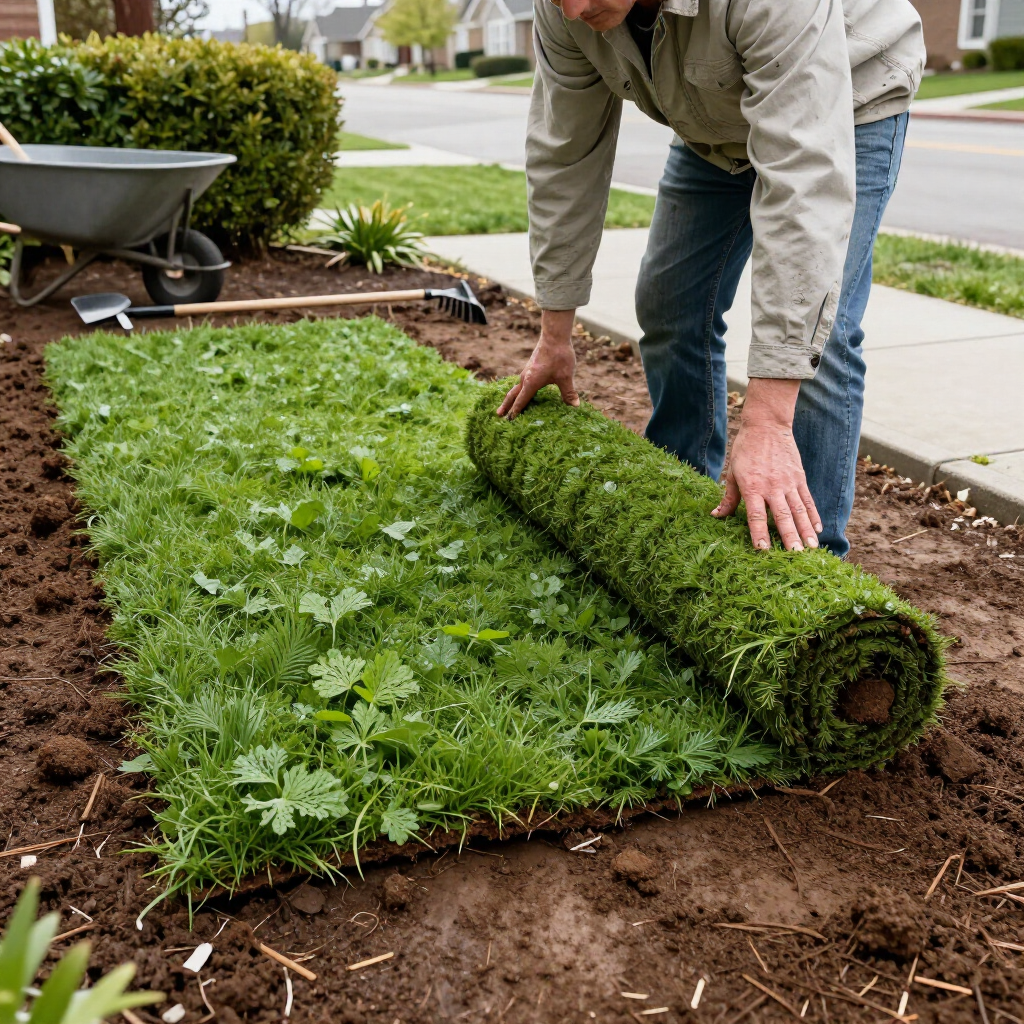
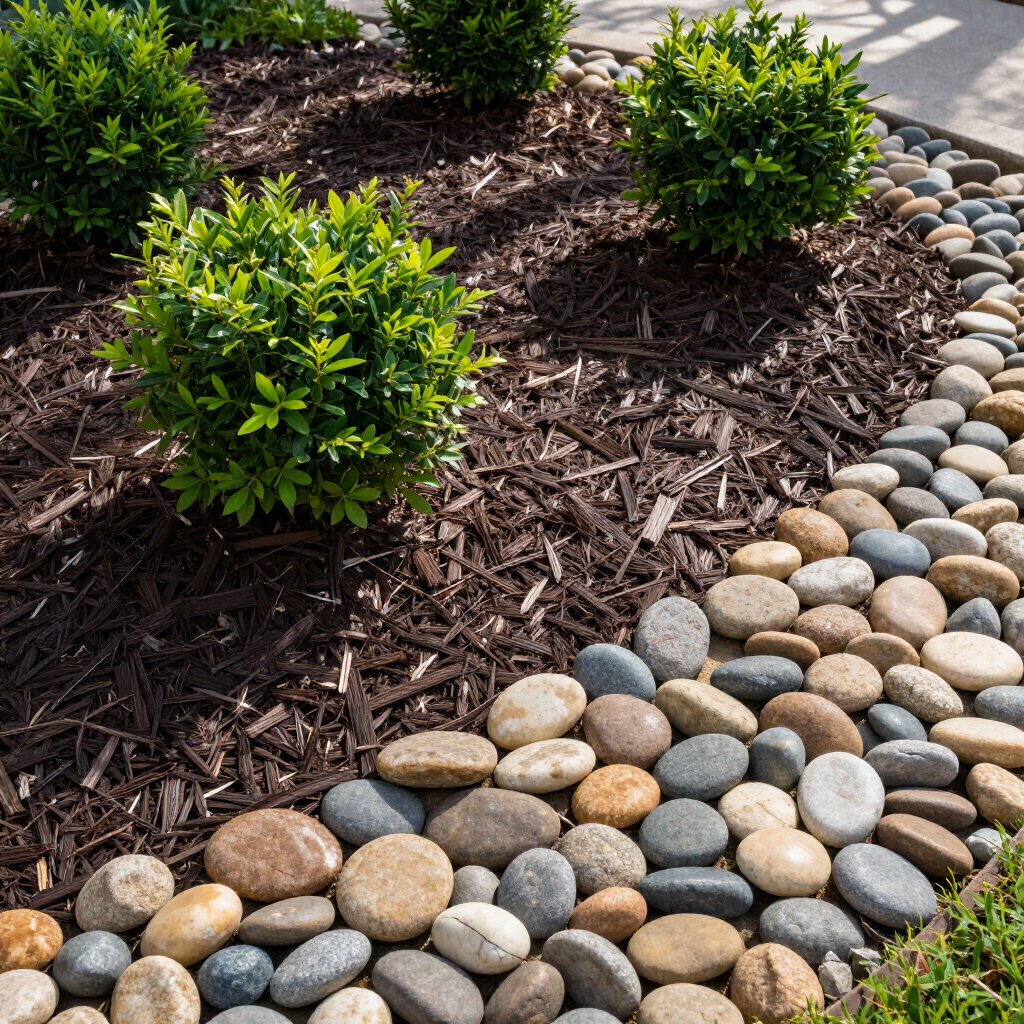
After that, more washed stone is added around and over the pipe. The fabric is wrapped to separate soil from the stone, and the trench is topped with soil and sod or finished with decorative rock depending on the plan.
A key detail is the outlet . A weeping tile needs somewhere to send the water. Without a proper outlet (and a way to keep it clear), water will eventually back up and the yard will return to the same soggy cycle.
5. Mistakes to avoid with weeping tile
The most common mistake is using the wrong backfill. If the trench is filled with native soil or dirty gravel, fine particles can migrate into the pipe and stone, reducing flow over time. Another issue is skipping filter fabric where it’s needed—or using it incorrectly so it traps water instead of separating materials.
Improper slope is another big one. Even a well-built drain can struggle if it’s flat or “bellied” (dips in the run), because water and sediment collect in low points and slow everything down.
Finally, some installations don’t account for downspouts, surface grading, or other sources feeding the problem. A drain line can help, but it works best as part of a complete water-management approach.
Conclusion
Backyard drainage issues usually don’t fix themselves—and quick surface patches often fade after the next heavy rain. A properly designed weeping tile system can be a durable, practical solution that collects excess water and moves it away from problem areas before it ruins your lawn, landscaping, or foundation.
If you’re dealing with recurring pooling, start by identifying where the water is coming from and where it can safely go. Once you have those answers, you can plan a weeping tile layout that actually solves the cause, not just the symptom.
Want help figuring out the best drainage approach for your yard? Share what you’re seeing (where it pools, how long it lasts, and where your downspouts drain), and we can narrow down the right solution.
Share This Blog
Perfect Backyard Patio with Slabs and Pebbles in Between: A Smart, Stylish Choice for Brampton Homes