How to Maintain Perennials All Year Round (A Season-by-Season Guide)
How to Maintain Perennials All Year Round
Perennials can thrive for years, but they look their best when you adjust care with the seasons. Use this guide as a simple yearly routine—so your garden stays healthy, colorful, and low-stress from spring through winter.
Start With the Basics (Any Season)
- Know your plants: Check sunlight needs (full sun/part shade/shade) and hardiness zone.
- Feed the soil first: Healthy soil (not constant fertilizer) is the secret to long-term performance.
- Water deeply, less often: Most perennials prefer a deep soak that reaches roots instead of frequent light watering.
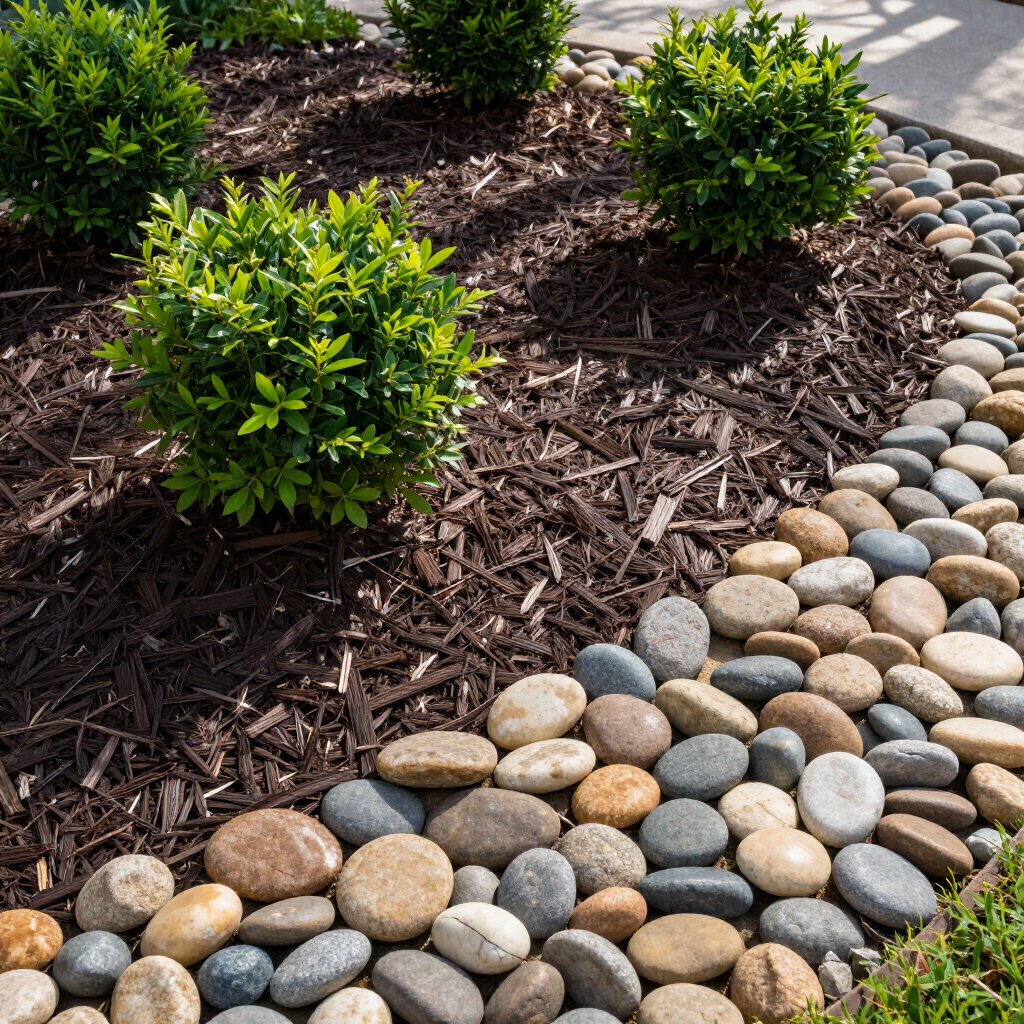
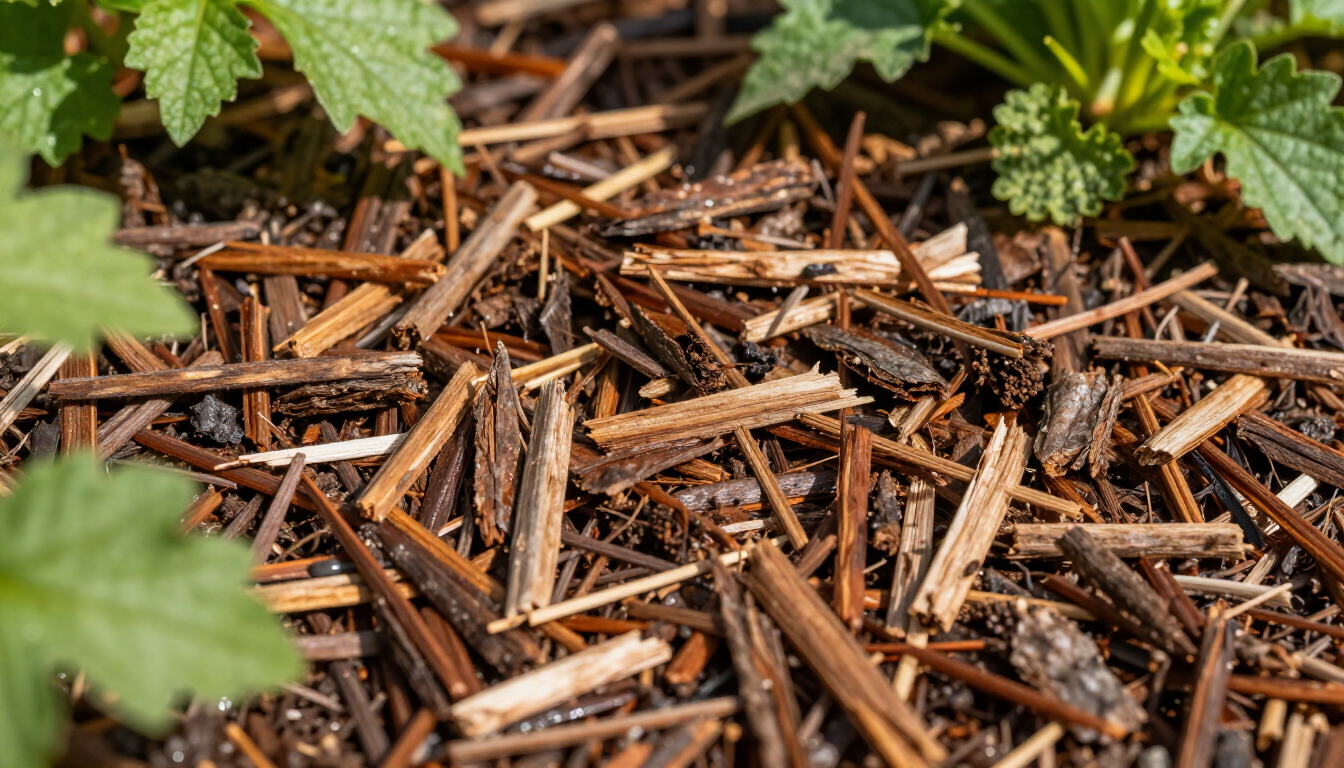
- Mulch wisely: 2–3 inches of mulch reduces weeds and moisture loss, but keep mulch off the crown/stems to prevent rot.
Spring: Clean Up and Set the Stage
Spring care is about removing winter damage and supporting strong new growth.
- Cut back last year’s stems: Remove old growth once you see new shoots (leave a bit of habitat if you support pollinators—then tidy up later).
- Gently rake and check crowns: Make sure crowns aren’t buried under thick mulch or soggy debris.
- Top-dress with compost: Add 1–2 inches around plants to improve soil structure and fertility.
- Divide overcrowded clumps: If a perennial is weak in the center or flowering less, early spring is a great time to divide many types (hosta, daylily, ornamental grasses—varies by plant).
- Stake early: For tall perennials (peonies, delphiniums), stakes are easier to hide when installed before plants flop.
Late Spring–Summer: Watering, Deadheading, and Pest Checks
This is when perennials are actively growing and blooming—small weekly tasks make a big difference.
- Water strategy: Water early in the day. Aim for the soil, not the leaves, to reduce disease.
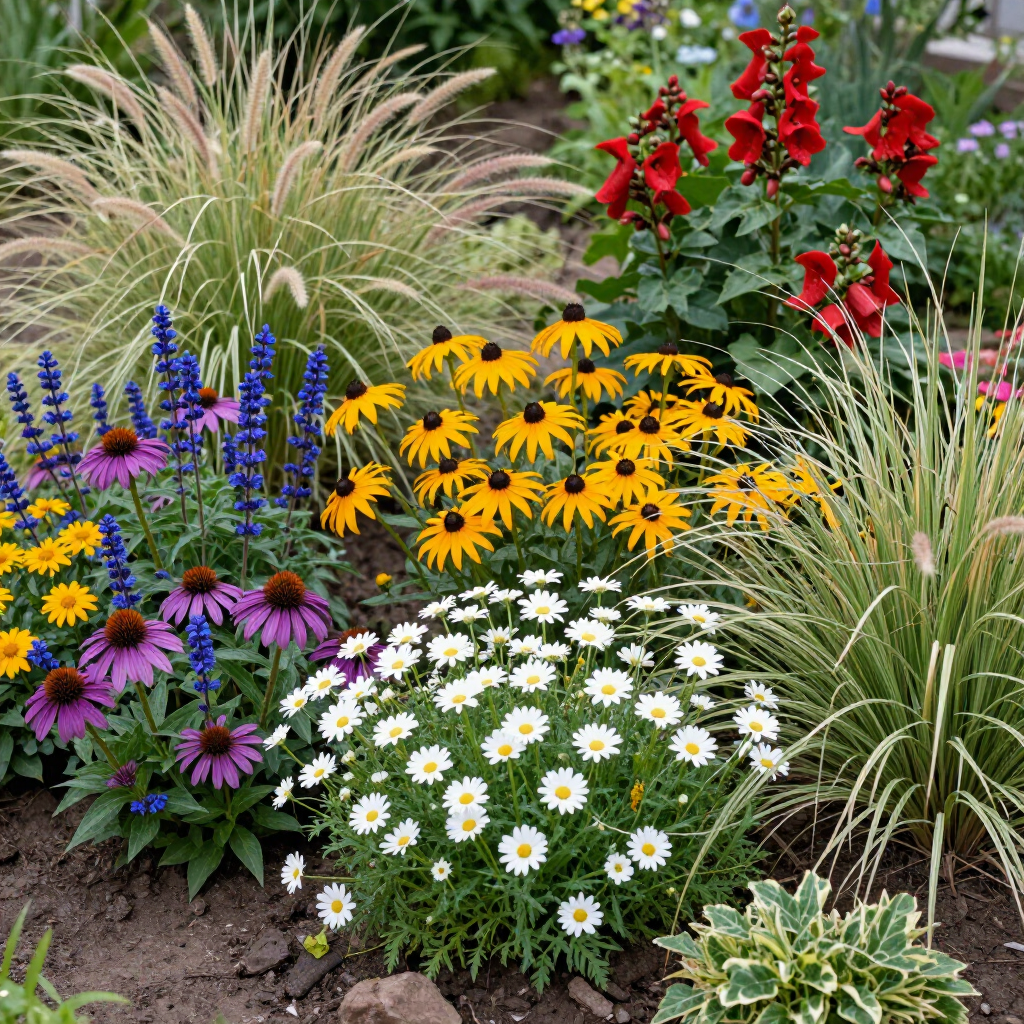
- Deadhead spent blooms: Removing faded flowers can extend blooming and keeps the garden tidy (coneflower, salvia, coreopsis, etc.).
- Pinch or shear for rebloom: Some plants respond well to a light trim after the first flush (catmint, hardy geraniums, salvia).
- Watch for powdery mildew: Improve airflow (space plants, thin stems), water at the base, and avoid over-fertilizing with high nitrogen.
- Scout pests weekly: Check undersides of leaves for aphids, slugs, or chewing damage. Early action is easiest.
Late Summer: Prepare for Fall Strength
Late summer decisions influence how well perennials overwinter.
- Keep watering during dry spells: Drought stress late in the season can reduce next year’s performance.
- Stop heavy feeding: Avoid pushing soft new growth late in the season—especially in colder climates.
- Plan divisions: Identify crowded plants to divide in fall (many perennials divide well when nights cool).
Fall: Divide, Mulch, and Leave the Right Things Standing
Fall is about resilience—helping plants store energy and protecting roots.
- Divide fall-friendly perennials: Many spring bloomers do well with fall division (for example, irises—timing depends on the plant).
- Remove diseased foliage: If plants had fungal issues, clean up and dispose of affected leaves (don’t compost disease-heavy material).
- Leave seed heads when appropriate: Some perennials provide winter interest and bird food (coneflowers, ornamental grasses).
- Mulch after the ground cools: In cold climates, wait until after a few frosts. The goal is temperature stability—not warmth that encourages growth.
Winter: Protect Crowns and Prevent Damage
Most winter problems come from freeze-thaw cycles, excess moisture, and physical damage.
- Protect in exposed sites: Use evergreen boughs or breathable coverings where wind and sun cause winter burn.
- Avoid smothering: Don’t pile wet leaves directly over crowns—use loose mulch and keep airflow.
- Water during warm dry spells (if possible): In milder winters, evergreens and some perennials can dry out.
- Prevent animal damage: If rabbits/deer are an issue, consider barriers or repellents before heavy snow arrives.
A Simple Year-Round Checklist
- Weekly (growing season): Check moisture, remove spent blooms, quick pest/disease scan.
- Monthly: Weed, refresh mulch where it’s thin, trim for shape/rebloom if needed.
- Seasonally: Compost top-dress in spring, divide when crowded, mulch for winter after the ground cools.
When to Call in Help
If you’re seeing repeated dieback, poor flowering, or ongoing disease, it may be a soil, drainage, or sun-exposure issue. A quick assessment can save years of frustration and help your perennials thrive long-term.
Share This Blog

Perfect Backyard Patio with Slabs and Pebbles in Between: A Smart, Stylish Choice for Brampton Homes