How to Keep You Lawn Weed Free After Sodding
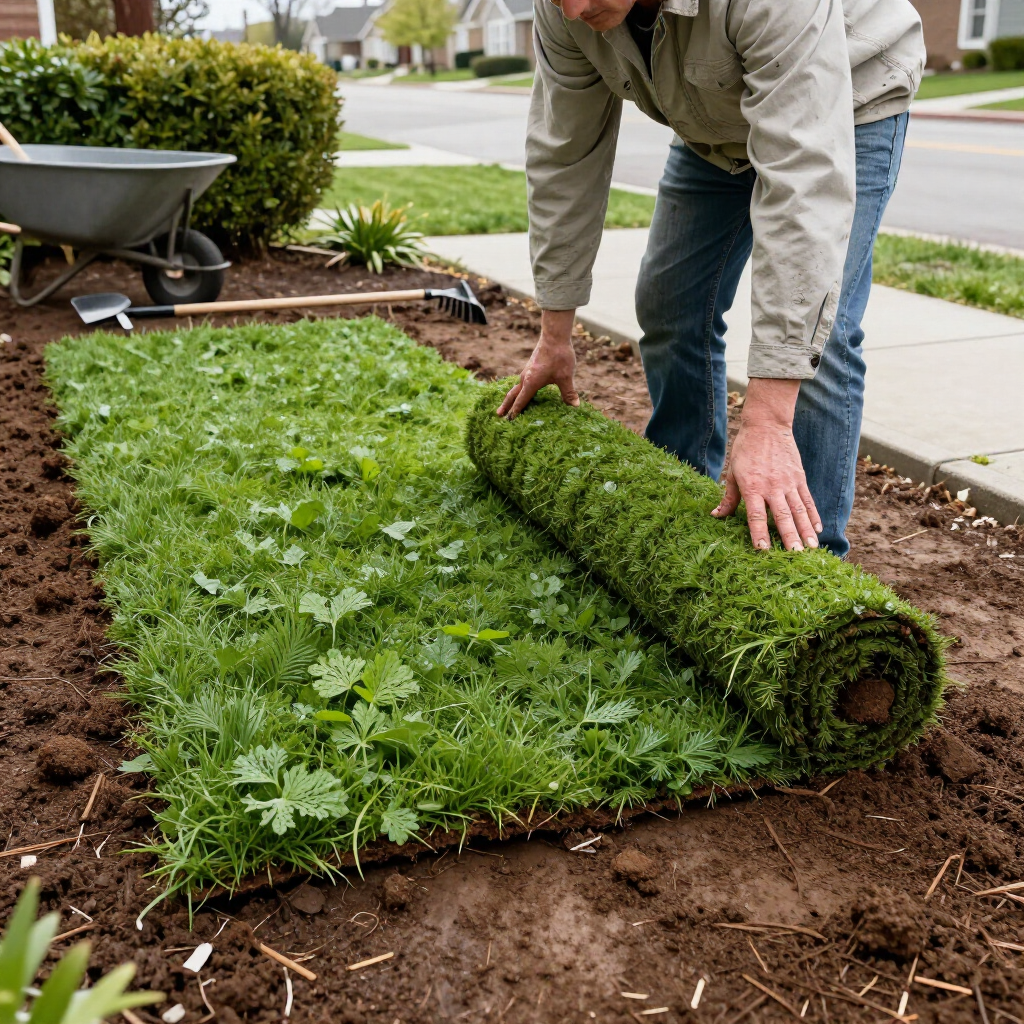
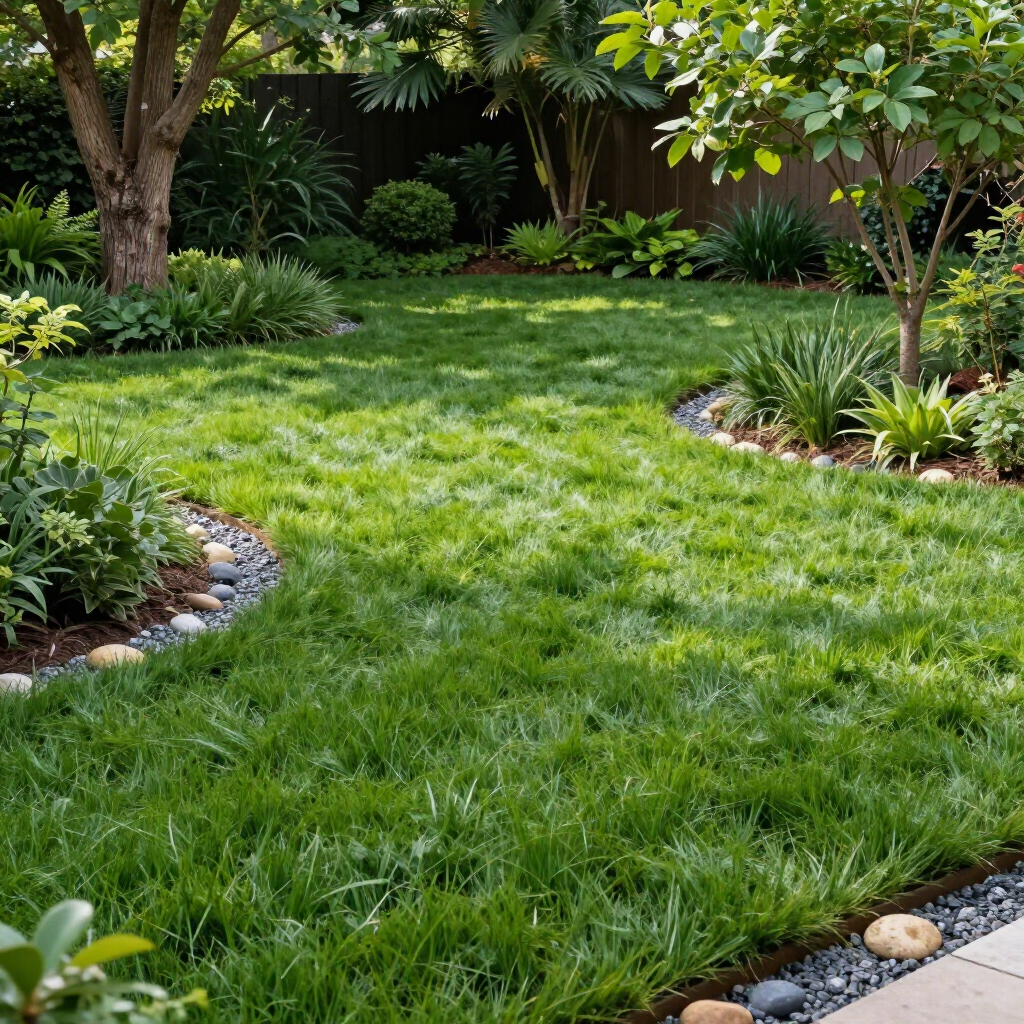
New sod looks amazing—until weeds start trying to move in. If you’ve just completed sod installation in the GTA (Greater Toronto Area) , the first 6–10 weeks are the “make-or-break” window for establishing dense turf that naturally crowds weeds out. The goal is simple: help your new grass root deeply, avoid stressing it, and prevent weed seeds from germinating in the bare seams and edges.
1. Start with the right watering schedule (without overwatering)
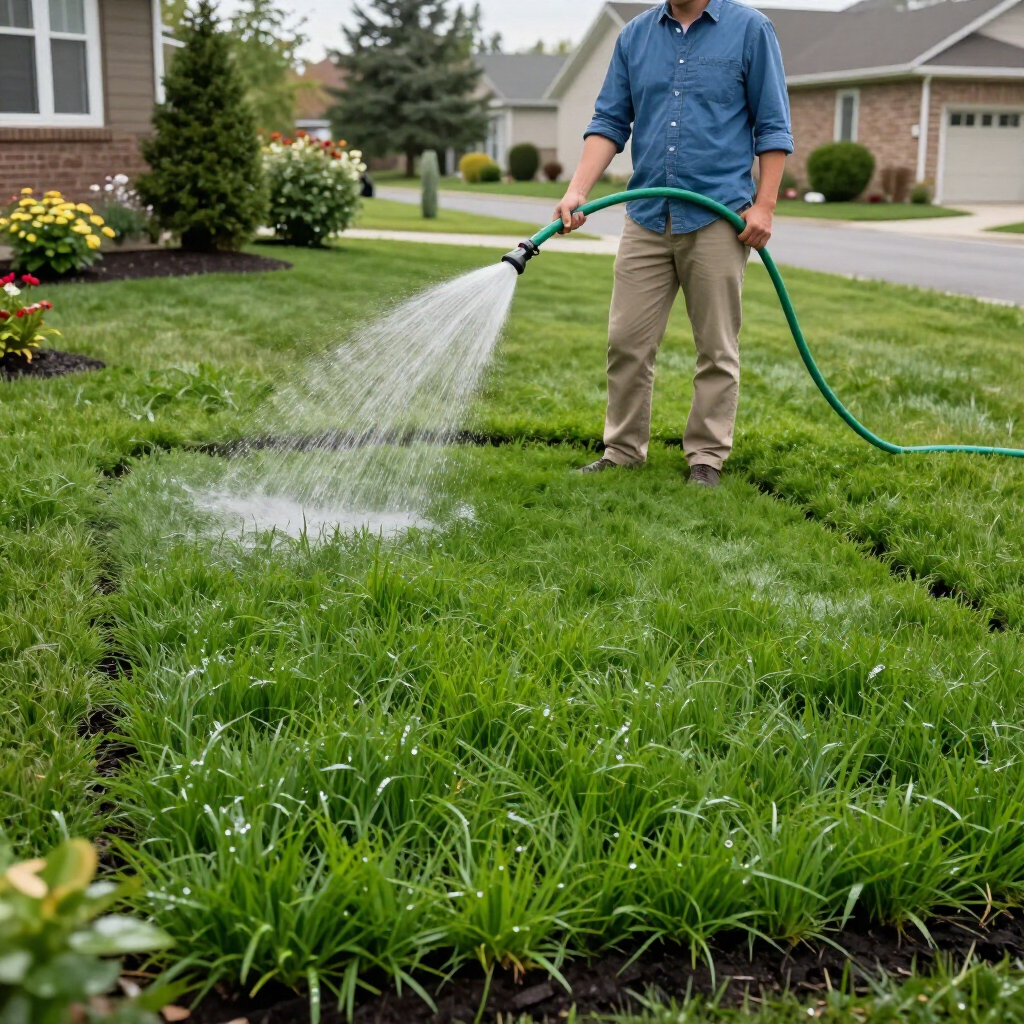
Proper watering is the #1 factor that helps new sod outcompete weeds. In Toronto lawn care conditions—hot, humid stretches followed by sudden storms—watering mistakes are common. Keep the sod consistently moist at the surface for the first 10–14 days, then gradually reduce frequency and increase depth as roots knit into the soil.
- Days 1–7: Water 2–4 short cycles/day (morning + mid-day) to keep the top 1–2 inches moist.
- Days 8–14: Water 1–2 times/day, slightly longer.
- Weeks 3–6: Water 2–3 times/week, deeper, aiming for 15–25 mm (about 1 inch) total per week including rainfall.
Tip for the GTA: If you’re in Mississauga, Brampton, Vaughan, Markham, Richmond Hill, Oakville, or Etobicoke, watch for heavy clay soil. Clay holds moisture longer—overwatering can weaken roots and invite weeds like crabgrass and clover to take advantage of stressed turf.
2. Mow at the right time—and at the right height
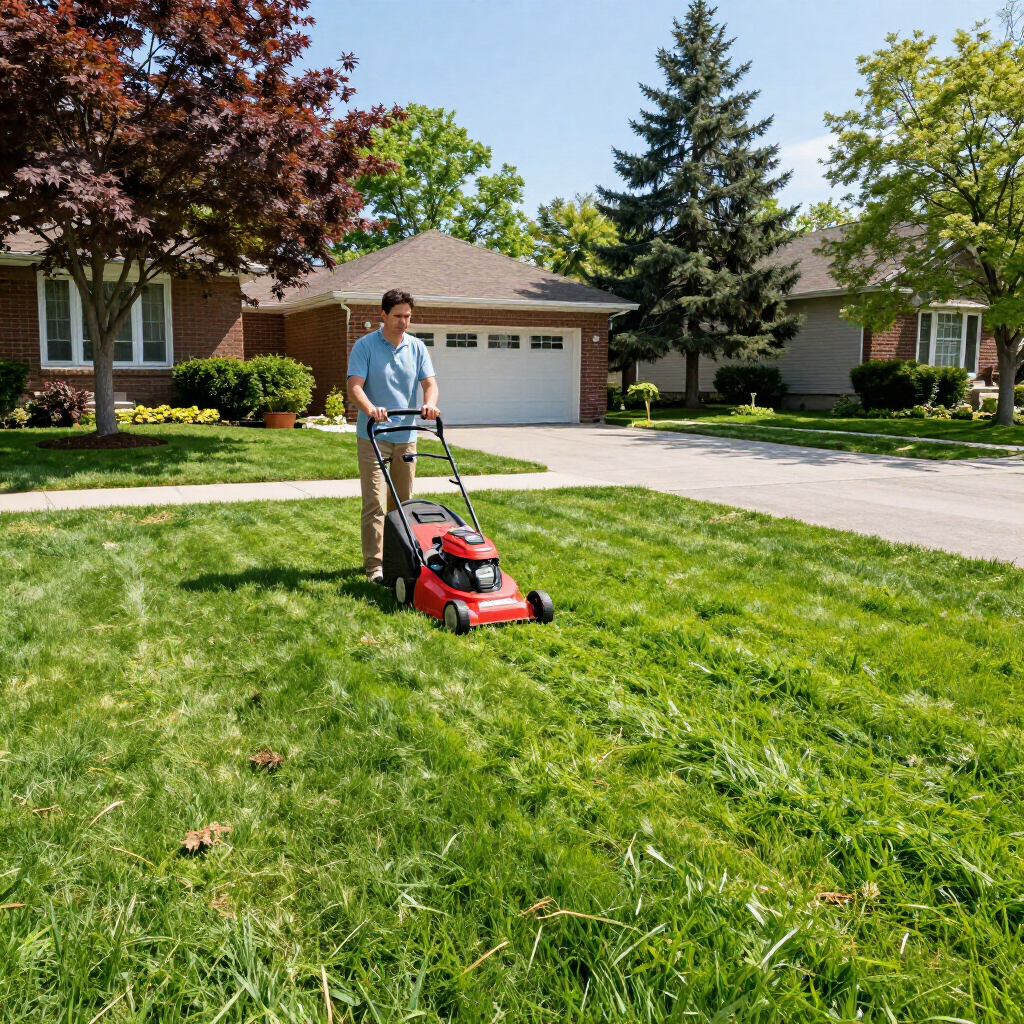
Mowing too early can pull up sod seams and stress new roots. Mowing too late lets weeds gain sunlight and space. A good rule: mow when the sod is firmly rooted (you can’t lift a corner easily) and the grass reaches about 3.5–4 inches.
- Set your mower to 3–3.5 inches for most cool-season sod common in Ontario.
- Never remove more than 1/3 of the blade in one cut.
- Use a sharp blade to avoid tearing (torn grass = stress = openings for weeds).
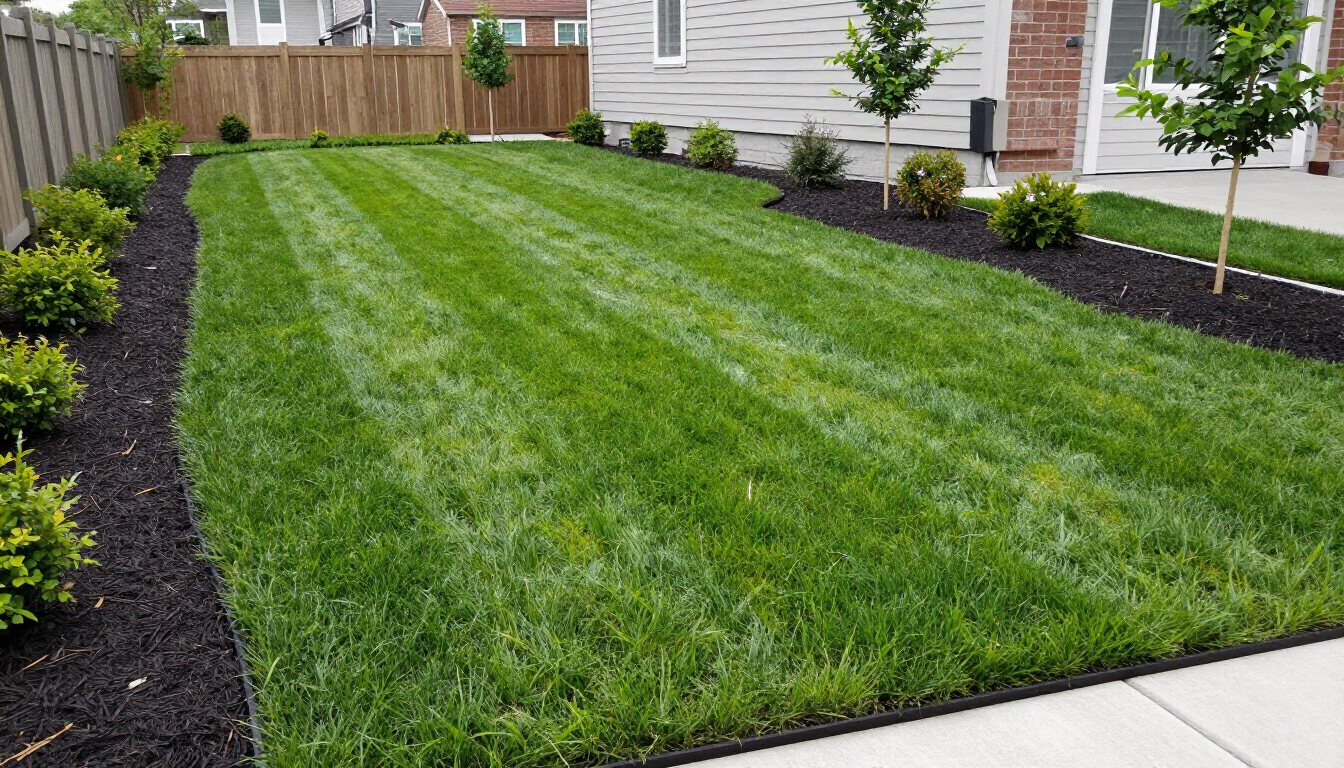
A taller mow height shades the soil surface, which is one of the best natural forms of weed control after sodding.
3. Control traffic and compaction (especially along edges)
Weeds love thin, stressed grass—and nothing stresses new sod like foot traffic and compacted soil. Keep kids, pets, and repeated walking off the lawn for at least 2–3 weeks. Pay extra attention to:
- Property lines and fence runs
- Pathways to gates and sheds
- Driveway edges and boulevard strips
These spots dry out faster and often become the first places you see dandelions or crabgrass. Consistent watering and avoiding wear in these zones helps your sod stay dense.
4. Don’t rush herbicides—use the safe timing for new sod
This is the most important “don’t” after new sod : applying weed killer too soon can damage young grass and slow establishment. In general, wait until the lawn has been mowed at least 2–3 times and is clearly rooted before using most post-emergent herbicides. Always check the label for “new sod” instructions.
If you’re dealing with a few visible weeds during establishment, hand-pulling (gently) is usually safest. Pull after watering or rain so the soil is soft, and press the sod back down afterward.
5. Feed the lawn to thicken it (but avoid heavy nitrogen early)
Healthy, thick turf is the best long-term weed prevention. However, pushing heavy growth too early can lead to shallow roots. For many GTA lawns, a light starter fertilizer at install is common; after that, wait until the sod is established and mowing regularly before applying a balanced fertilizer program.
As a general approach for lawn care in Toronto and the GTA , focus on:
- Moderate fertilization that supports root development
- Seasonal feeding (spring/fall) rather than constant “quick green” products
- Soil health—topdressing with compost can help over time
6. Overseed gaps and repair seams quickly
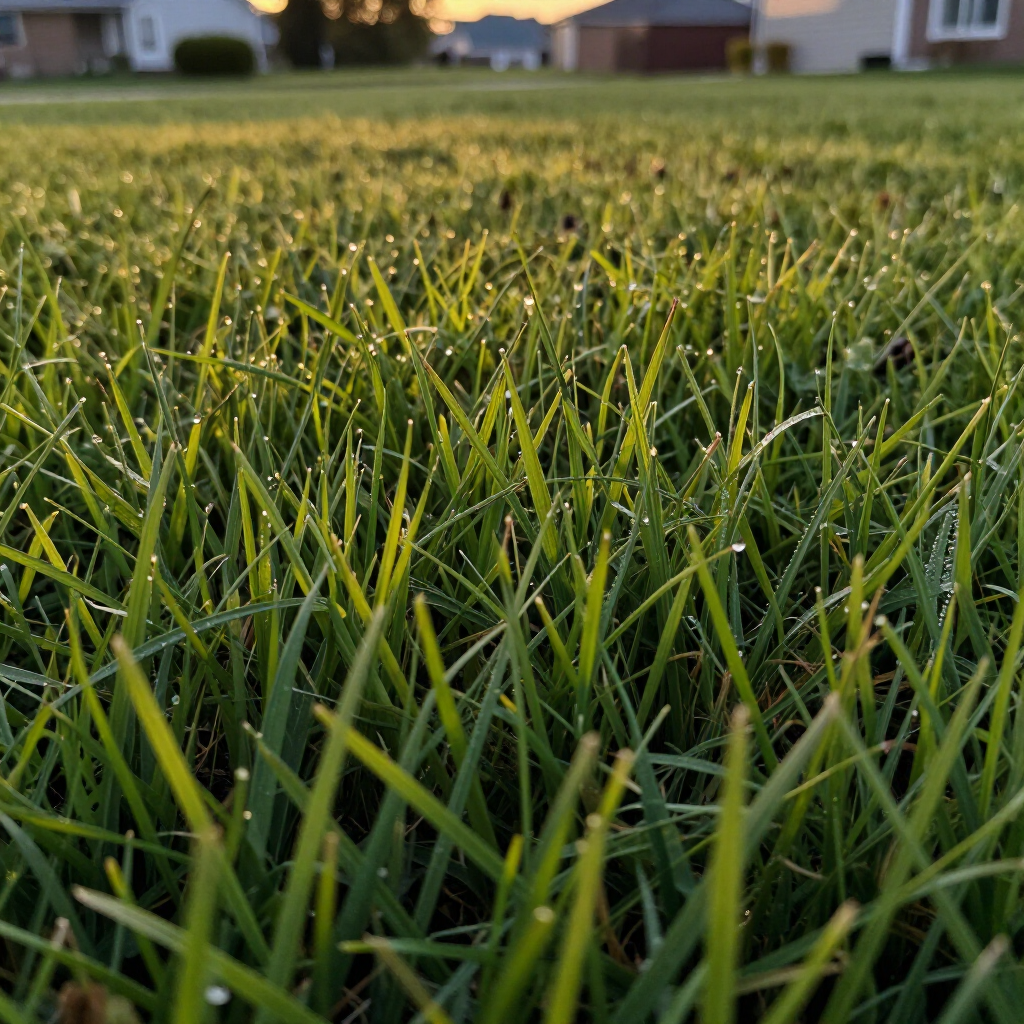
Weeds don’t need much space—just a small opening and sunlight. Inspect your lawn weekly for:
- Seams that opened up
- Edges that dried out
- Low spots where water pools
Fill small gaps with quality topsoil and seed (or small sod patches) so weeds don’t claim the space first. Ask yourself: Where does the lawn look thinner today than it did last week? That’s usually where weeds will show up next.
7. Build a simple GTA weed-prevention routine
Once your sod is established, a consistent routine keeps it weed resistant across Ontario’s changing seasons:
- Water deep (not daily) to encourage deep roots.
- Mow high to shade soil and reduce germination.
- Clean edges —weeds often start in garden beds and cracks and spread into turf.
- Spot treat only when needed, and avoid blanket applications.
If you’re seeing persistent weeds despite good care, it’s often a soil issue (compaction, poor drainage, low fertility). A soil test can point you in the right direction.
Conclusion
Keeping your lawn weed free after sodding comes down to establishing strong roots, reducing stress, and closing any gaps quickly. With the right watering, mowing height, and careful timing on weed control products, new sod in Toronto and the GTA can stay thick and healthy—so weeds struggle to gain a foothold.
If you’d like, tell me which GTA city you’re in (Toronto, Mississauga, Brampton, Vaughan, Markham, Oakville, etc.) and when the sod was installed, and I can tailor a week-by-week care schedule for your conditions.
Share This Blog

Perfect Backyard Patio with Slabs and Pebbles in Between: A Smart, Stylish Choice for Brampton Homes