How Sodding Saves Water: Water‑Efficient Lawn Tips That Work
Sodding can save water —and if you’re trying to build a water-efficient lawn , it’s one of the fastest ways to get dense, healthy turf without months of heavy irrigation. Homeowners often ask: does sod use less water than seed? In many cases, yes—because a mature layer of grass and roots helps the soil hold moisture and reduces runoff right away.
1. Sod reduces runoff and evaporation fast
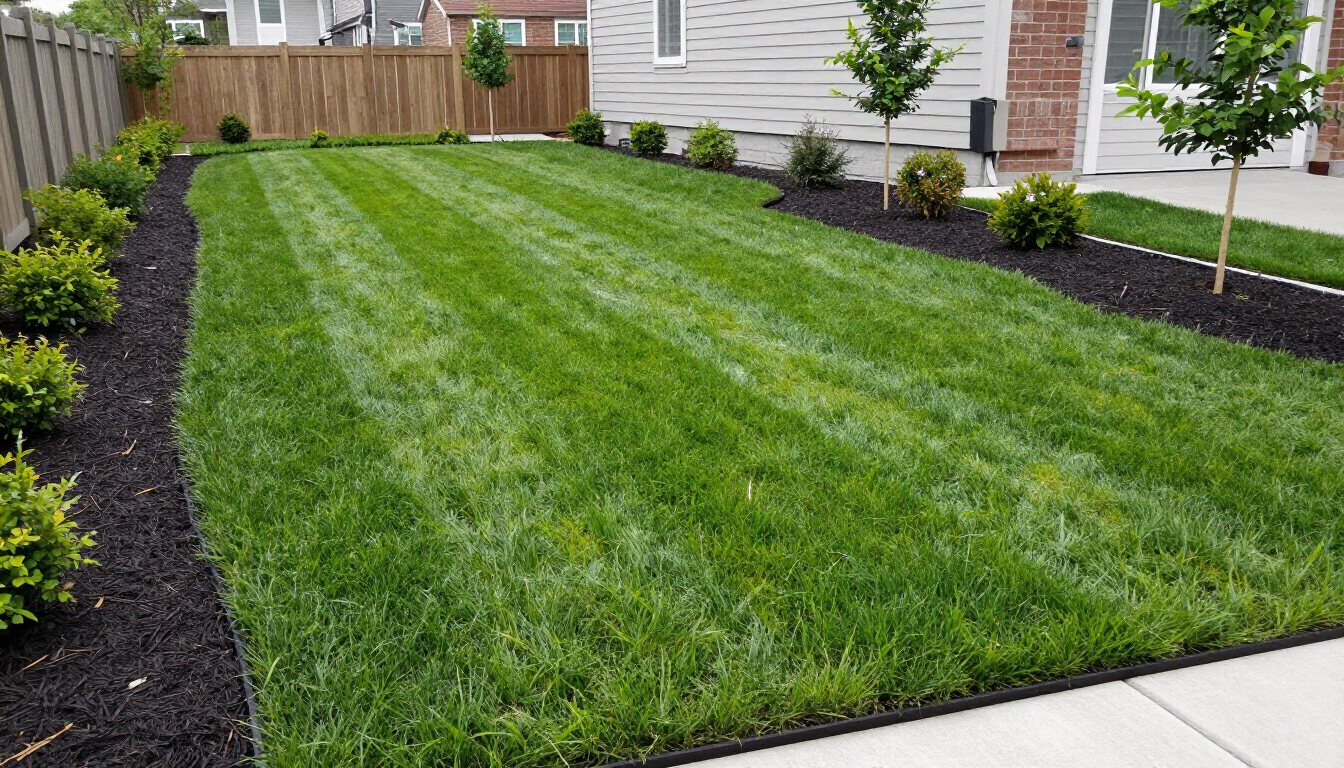
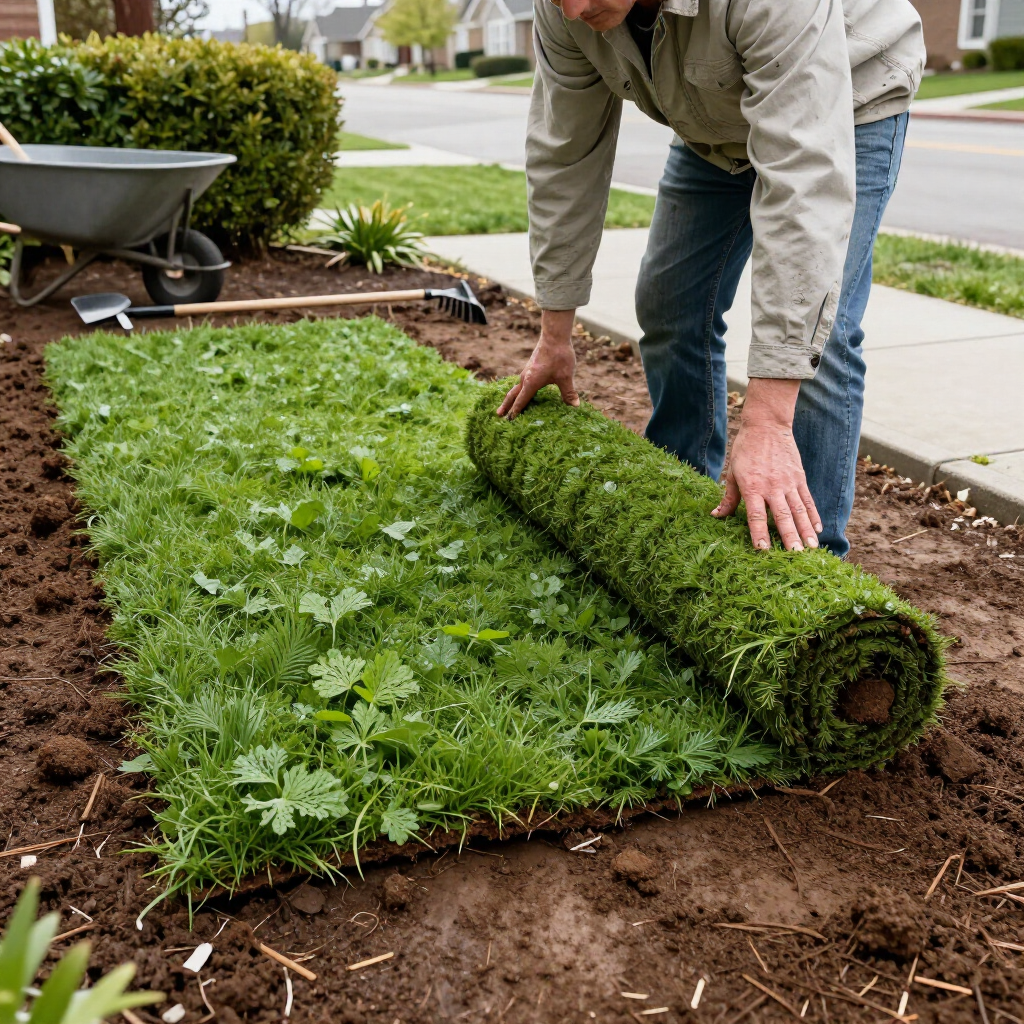
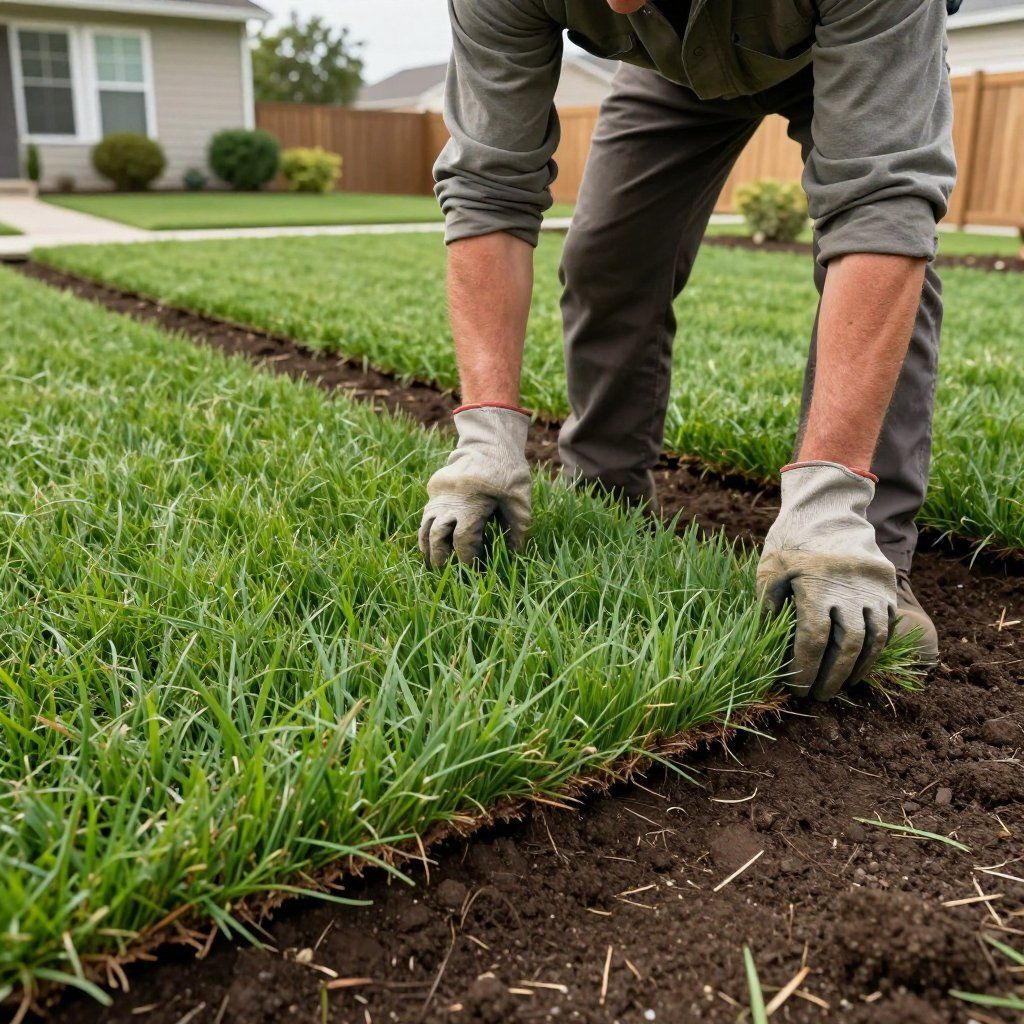
One of the biggest reasons new sod saves water is that it covers bare soil immediately. Bare soil heats up quickly, crusts over, and sheds water during irrigation or rain. With sod, the soil is shaded, temperatures stay lower at the surface, and water has more time to soak in.
A thick, uniform sod layer also slows down water movement across the lawn. That means less water running into the street and more water staying where it belongs—in the root zone. If you’ve ever seen puddling after watering a newly seeded area, you’ve seen the kind of loss sod helps prevent.
Because sod protects the soil surface, you can often reach a stable, efficient watering rhythm sooner. The goal isn’t to water “more”—it’s to water smarter , building a lawn that stays resilient with less frequent irrigation over time.
2. Sod establishes quickly compared to seeding
When people compare sod vs seed water usage , establishment time matters. Seeded lawns can take weeks to germinate and even longer to fill in. During that period, the top layer of soil must stay consistently moist—meaning frequent watering, sometimes multiple times per day in warm weather.
Sod arrives as mature turf. While it still needs consistent watering during the first couple of weeks, it transitions to deeper, less frequent watering sooner than many seeded lawns. Faster coverage also means fewer dry patches that force you to “chase” the lawn with extra irrigation.
Ask yourself: would you rather water bare soil and seedlings for a month (or longer), or water established turf as it roots in? For many properties, sod can be the more predictable path to lawn water conservation .
3. Dense turf helps stop weeds that waste water
Weeds compete for moisture. A thin, newly seeded lawn often leaves open space where weeds can take hold. More weeds can mean more watering, more stress on the lawn, and more time spent trying to correct problems.
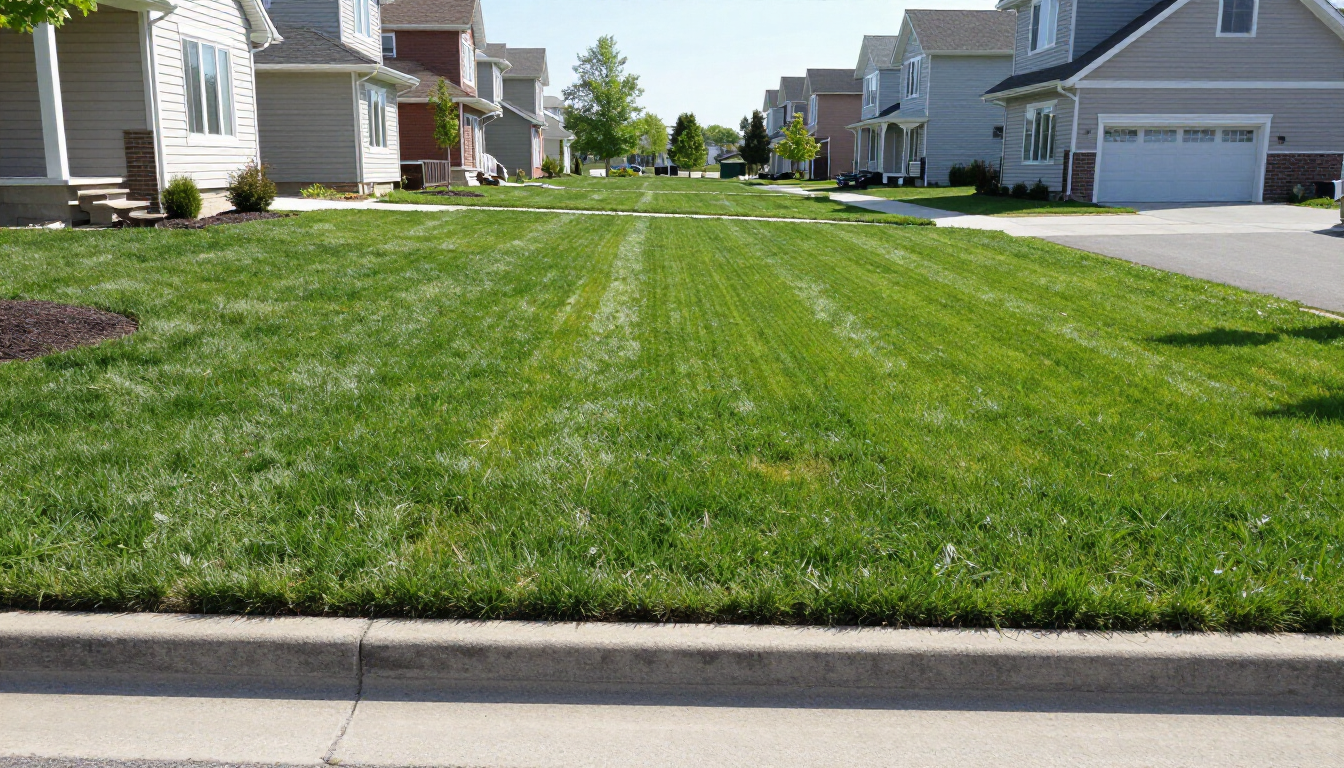
Sod is typically grown to be thick and uniform, which helps crowd out weeds from day one. That density can reduce the need for extra watering to compensate for patchy growth, and it can also reduce the need for corrective treatments that can stress turf.
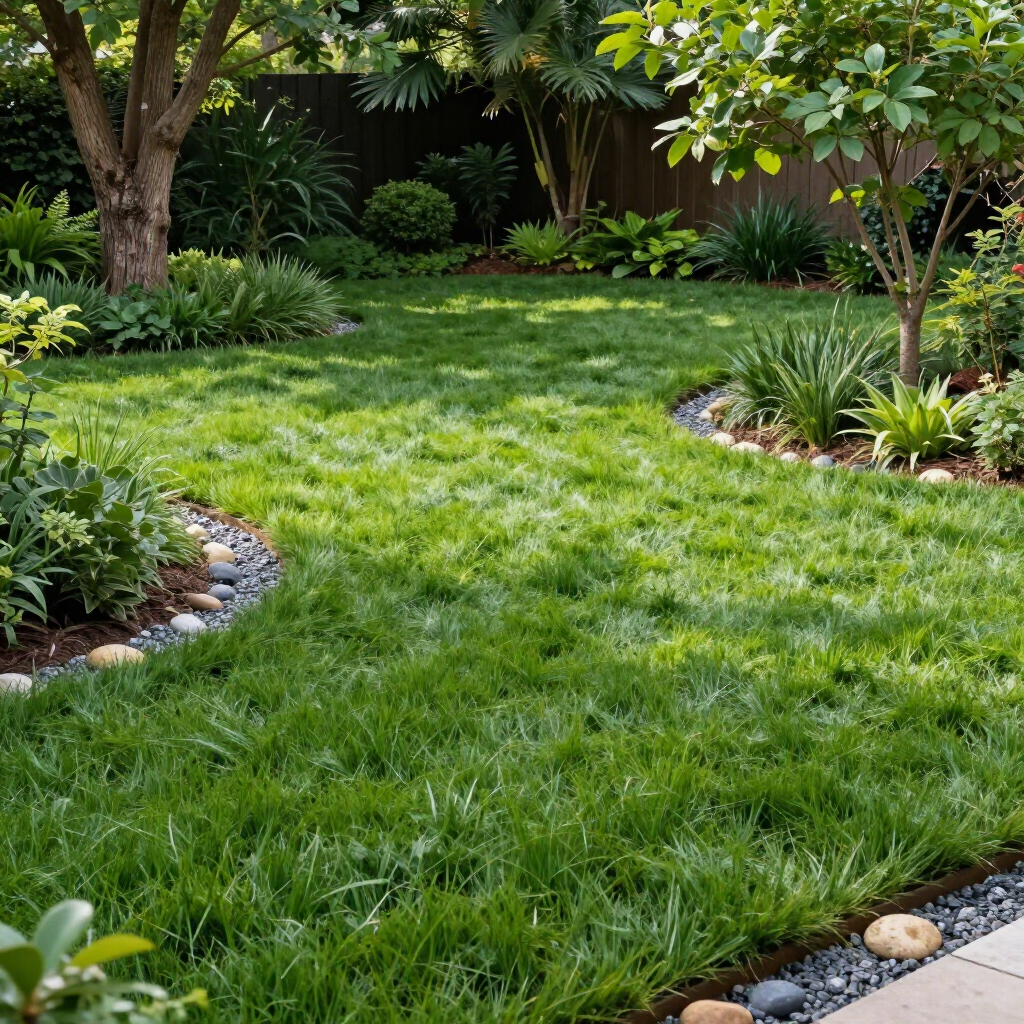
If your goal is a drought-tolerant lawn (or simply a lawn that needs less water), starting with solid coverage is a practical advantage.
4. Water-saving lawn tips after sodding
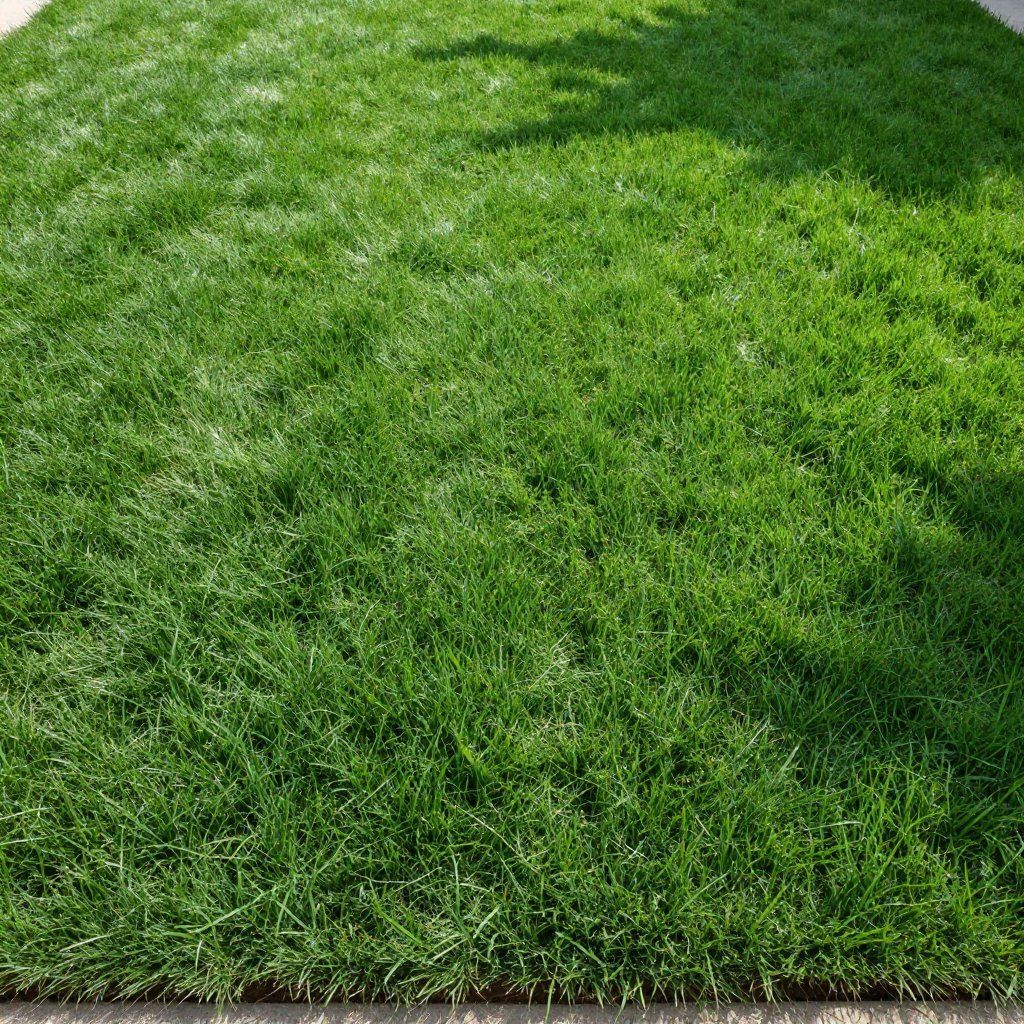
Even though sodding saves water long term, you still need a smart watering plan early on. For the first 10–14 days, water lightly and consistently to keep the sod from drying out while roots knit into the soil. After that, transition toward deeper watering that encourages deeper roots.
To maximize water-efficient lawn care , consider these habits:
- Water early in the morning to reduce evaporation and wind drift.
- Avoid short, frequent watering once established—deep watering builds deeper roots.
- Check sprinkler coverage so you’re not overwatering sidewalks or driveways.
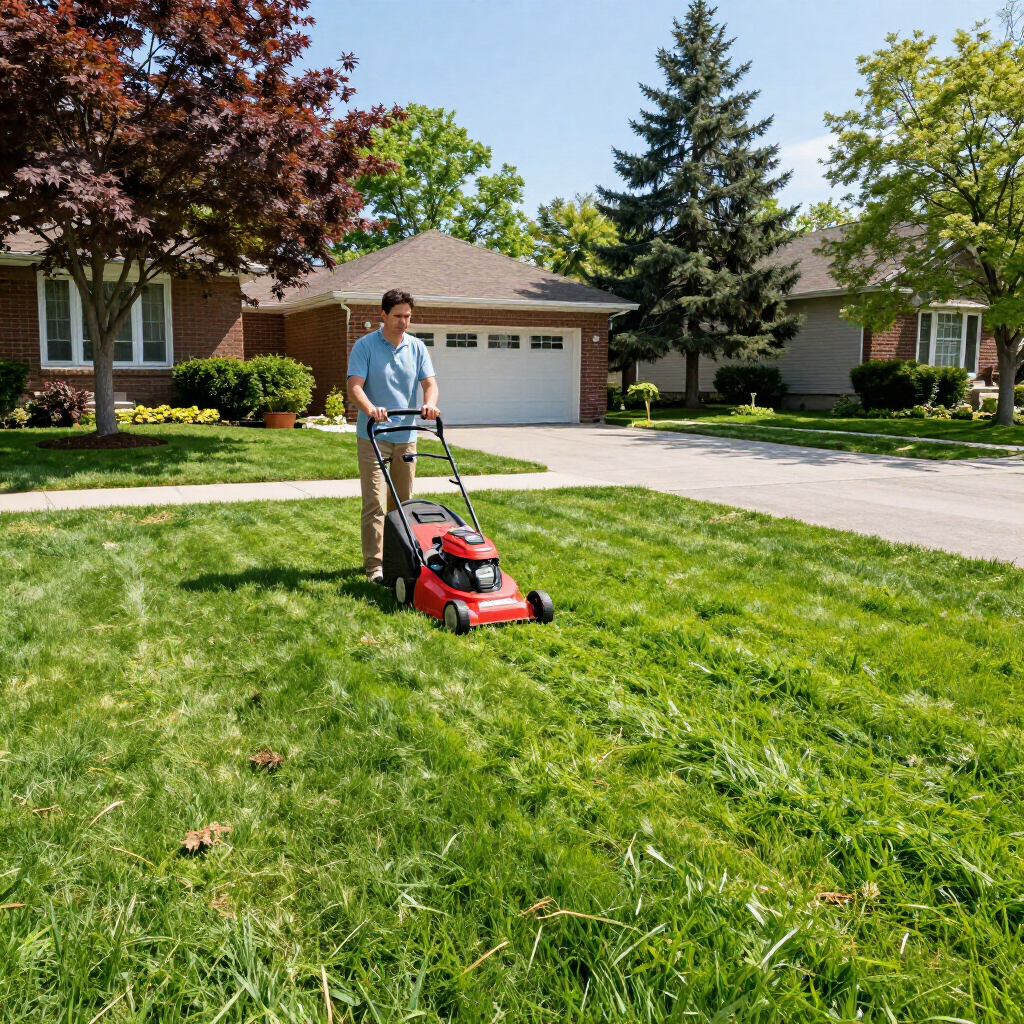
- Mow at the right height (a bit higher for many grasses) to shade soil and hold moisture.
Wondering if your lawn is getting too much water? Look for soggy areas, fungus, or thatch buildup. Too little water shows up as bluish-gray color, footprints that linger, and curling blades. The best plan is to water based on what the lawn and weather are doing, not a fixed schedule.
Conclusion
So, does sod save water? In many real-world lawns, yes—because it reduces runoff, covers soil immediately, establishes faster than seed, and helps create dense turf that holds moisture efficiently. Paired with a smart irrigation plan, sodding can be a strong step toward conserving water without giving up a healthy, green lawn.
If you want help choosing the right turf type and dialing in a water-wise watering schedule for your property, reach out—getting the install right and the first few weeks of care right is where the biggest savings begin.
Share This Blog
Perfect Backyard Patio with Slabs and Pebbles in Between: A Smart, Stylish Choice for Brampton Homes