Preparing Your Lawn for Winter: Essential Steps for a Healthy Spring
When autumn leaves start to fall and temperatures drop, it’s time to think about protecting your lawn for the months ahead. Preparing your grass before winter sets in is the secret to a lush, resilient yard when spring arrives. If you want to avoid bare patches, weeds, or soggy ground after the thaw, a few simple steps in late fall will make all the difference. In this guide, you’ll find proven techniques to safeguard your lawn and set the stage for healthy regrowth.
1. Clear Debris and Manage Leaves Early
Letting leaves pile up can smother your lawn and promote disease. Start by raking or mulching fallen leaves regularly—don’t leave thick, wet layers to sit throughout winter. Mulched leaves can be left in thin layers to decompose and nourish the soil, but too much leaf cover blocks sunlight and restricts air flow. Clean up twigs, branches, and garden debris as well, since these can create damp spots that attract pests and fungus.

Have you noticed how quickly leaves can cover your yard after a windy day? Consistent fall maintenance prevents spring surprises and gives grass the airflow it needs to stay healthy.
2. Mow, Aerate, and Feed Your Lawn Before Frost
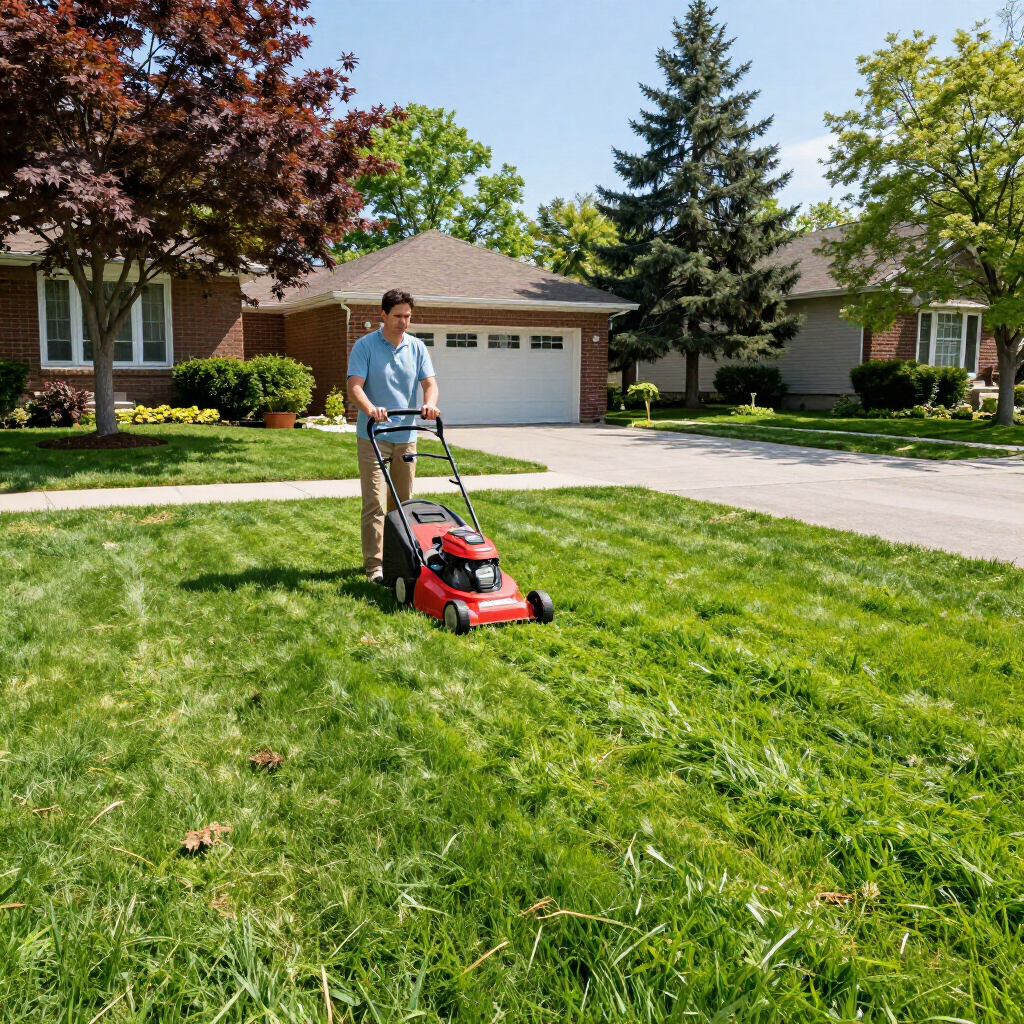
Before the first deep freeze, lower your mower blade for the final cut of the season. Shorter grass (about 2 inches tall) helps prevent matting and fungal growth. Don’t cut it too short, which can stress the roots and reduce winter hardiness. Aerating your lawn loosens compacted soil, improves water drainage, and boosts root health. Rent or borrow an aerator for best results on larger lawns.
Apply a winterizing fertilizer high in potassium and phosphorus in late fall. This blend supports strong roots and prepares the grass to survive cold temperatures. Have you tried aerating your lawn before winter? What kind of differences did you see compared to previous years?
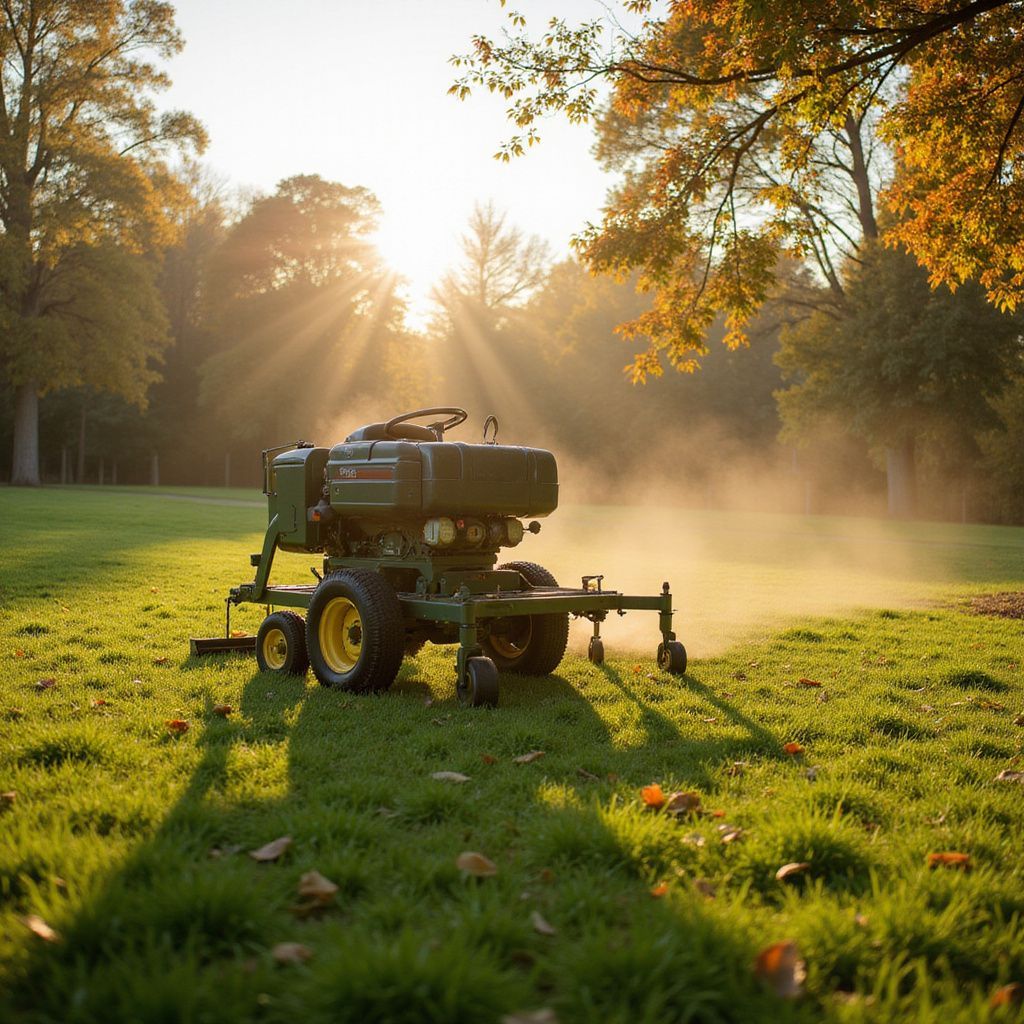
3. Protect Problem Areas and Plan for Spring
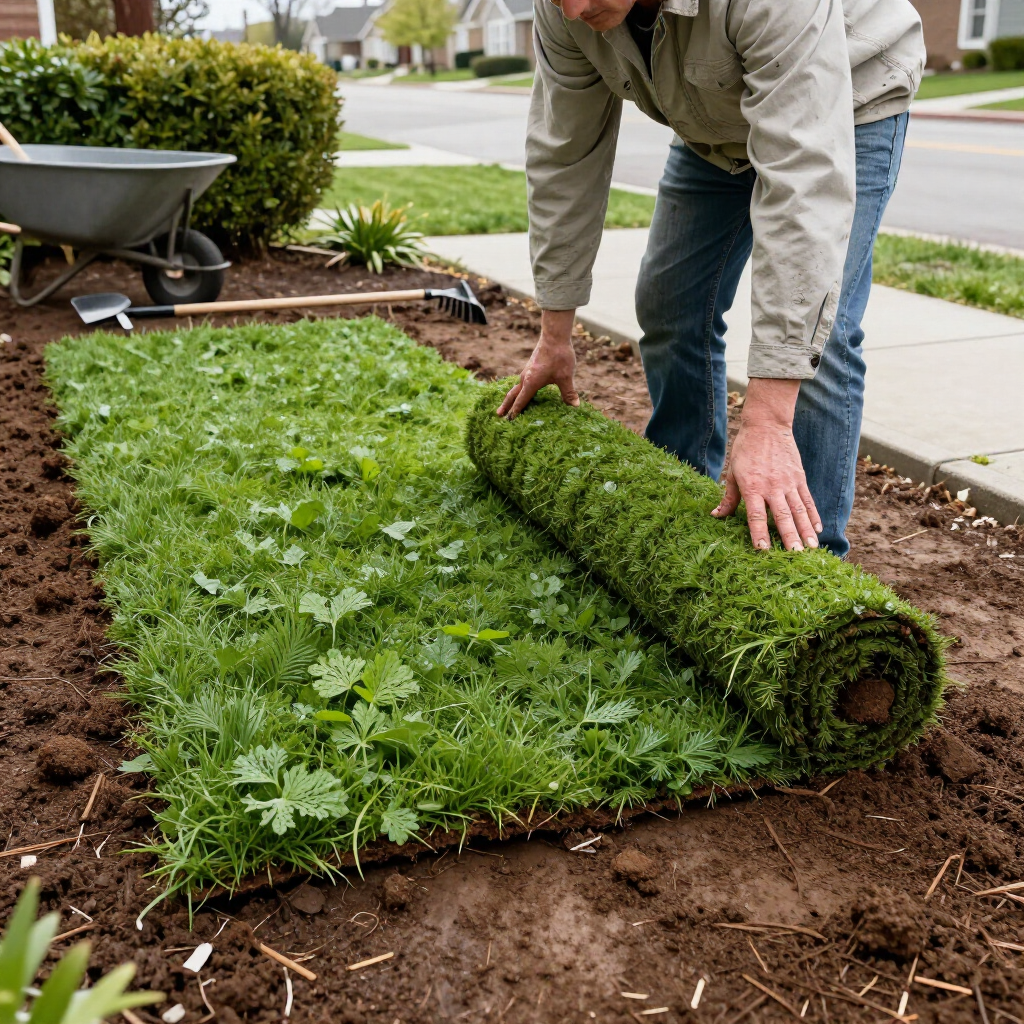
Now is a good time to fix any trouble spots you noticed during summer. Overseed bare patches with cool-season grass seed to encourage filling in before winter. Avoid walking too much on the lawn after frost or snow—compacted soil makes it harder for new grass to grow in spring.
For added protection, gently rake mulch or straw over reseeded patches. Consider marking walkways to prevent accidental foot traffic over vulnerable areas when snow covers the ground. Keep an eye out for pooling water or areas that freeze solid—these spots may need drainage adjustment in the future to prevent long-term damage.
Conclusion
Preparing your lawn for winter isn’t complicated, but a little attention now leads to a vibrant, green yard as soon as temperatures rise. Clear debris, mow carefully, aerate, fertilize, and protect trouble spots, and you’ll set the stage for healthy spring growth. Is there a particular winter lawn care challenge you’re facing this year? Share your questions or tips in the comments, and let’s get your yard ready for the coming season!
Share This Blog

Perfect Backyard Patio with Slabs and Pebbles in Between: A Smart, Stylish Choice for Brampton Homes