Planting the Perfect Native Ontario Flower Bed
Creating a vibrant and sustainable flower bed in Ontario is an exciting endeavor, especially when you choose native plants that naturally thrive in the local climate. Native flower beds not only elevate the beauty of your garden but also support biodiversity and ecological health. At Greener Land, we're committed to helping you design and plant the perfect native Ontario flower bed that flourishes year-round. Dive into this guide to discover the best native plants for your garden and tips for creating a beautiful, low-maintenance landscape.
Why Choose Native Plants for Your Flower Bed?
1. Adaptability and Resilience
Native plants are naturally adapted to Ontario’s climate, soil, and seasonal changes. This makes them more resilient to local pests and diseases, reducing the need for chemical interventions and allowing your garden to flourish naturally.
2. Supporting Local Wildlife
Native flower beds provide essential habitats and food sources for local wildlife, including pollinators like bees, butterflies, and birds. By planting native species, you contribute to a healthy, thriving ecosystem.
3. Low Maintenance
Once established, native plants require less water and care, making them a practical choice for busy homeowners who want a stunning garden without the constant upkeep.
Choosing the Right Native Plants for Your Flower Bed
1. Black-Eyed Susan (Rudbeckia hirta)
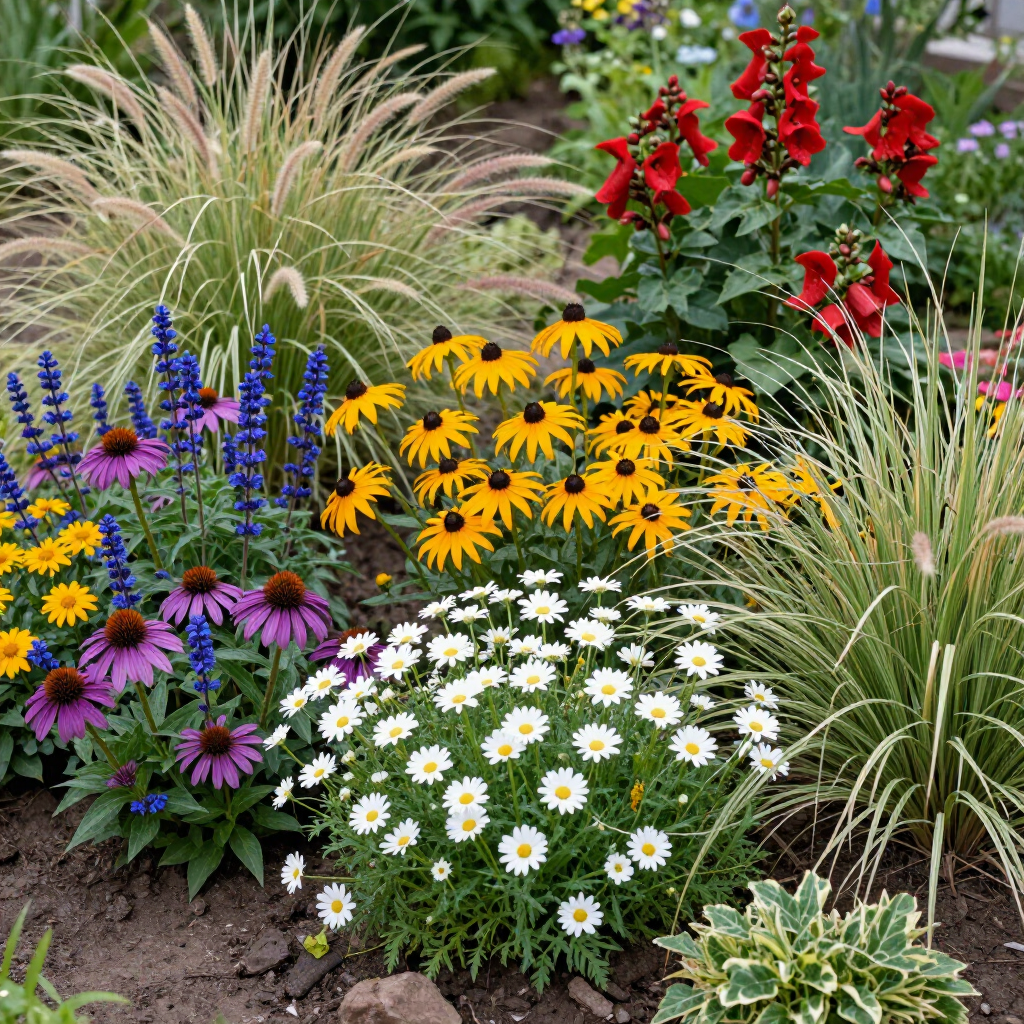
Known for their bright yellow petals and dark centers, Black-Eyed Susans are a staple in Ontario gardens. These hardy perennials bloom from mid-summer to fall and attract a variety of pollinators.
2. Wild Bergamot (Monarda fistulosa)
Wild Bergamot, or Bee Balm, is a fragrant plant with lavender blooms that draw bees and butterflies. It thrives in sunny spots and adds a splash of color to your flower bed throughout the summer.
3. Columbine (Aquilegia canadensis)
Offering delicate red and yellow blooms in the spring, Columbine is a native plant that adapts to various light conditions. It’s perfect for adding early-season interest to your garden.
4. Purple Coneflower (Echinacea purpurea)
A popular choice for pollinator gardens, Purple Coneflower produces large, vibrant purple flowers that last from summer to fall. This hardy plant is also known for its medicinal properties.
5. Canada Anemone (Anemone canadensis)
Ideal for moist, shaded areas, Canada Anemone delivers a carpet of white blooms in late spring. It’s an excellent ground cover that adds elegance and fills in challenging spots in your garden.
Designing Your Native Flower Bed
1. Assess Your Space
Before planting, evaluate your garden area. Consider light exposure, soil type, and drainage. Group plants according to their sunlight and water needs to create harmonious groupings.
2. Layering for Visual Interest
Create a layered design by placing taller plants like Purple Coneflowers and Wild Bergamot at the back and shorter species like Black-Eyed Susans and Canada Anemone at the front. This approach adds depth and texture to your flower bed.
3. Seasonal Blooms
Choose a mix of plants that bloom at different times to ensure continuous color throughout the growing season. This not only keeps your garden visually appealing but also provides continuous support for pollinators.
4. Maintenance and Mulching
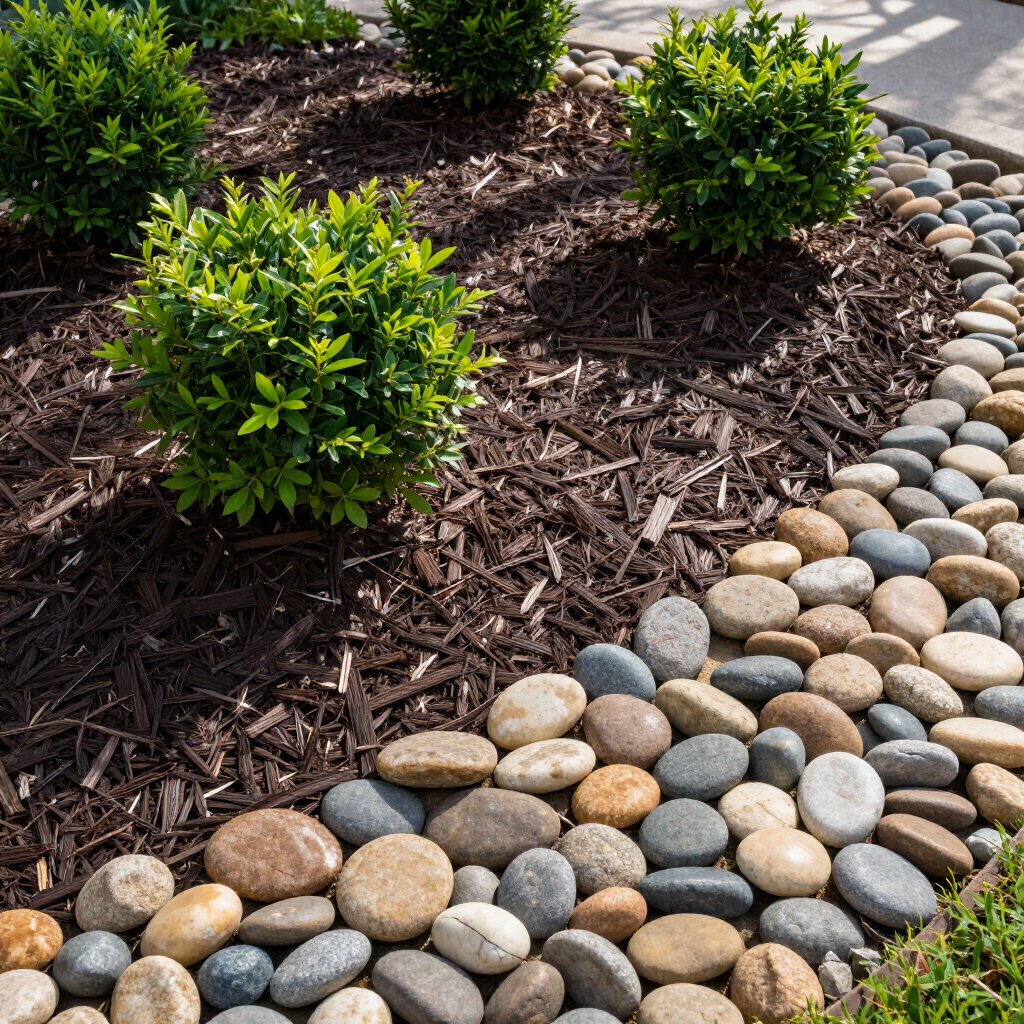
Apply a layer of organic mulch to retain moisture, reduce weeds, and improve soil health. Periodic deadheading and pruning will promote new growth and extend blooming periods.
Implementation and Care Tips
1. Soil Preparation
Improve your soil by adding organic matter like compost. Ensure it’s well-drained to support a wide variety of native plants.
2. Planting Techniques
Plant in the spring or fall when temperatures are mild, ensuring each plant is at the depth it prefers. Water thoroughly after planting to settle the soil.
3. Watering Practices
While native plants are drought-tolerant, newly established gardens require consistent watering until plants are well-rooted. Water deeply but infrequently to encourage strong root development.
Planting the perfect native Ontario flower bed is an enriching journey that enhances your property's aesthetic appeal and ecological value. By selecting native plants, you're investing in a sustainable landscape that thrives with minimal intervention and supports local biodiversity. At Greener Land, we are passionate about helping you create a stunning native flower bed that reflects your style and respects the environment.
Ready to transform your garden with a native Ontario flower bed? Contact Greener Land today to schedule a consultation with our expert team. Together, we'll design and plant a beautiful, sustainable garden that brings nature's beauty to your doorstep. Visit our website or email us at greenerlandinc@gmail.com to start your eco-friendly landscaping journey. Let’s cultivate a greener, more vibrant environment for future generations.
Share This Blog
Perfect Backyard Patio with Slabs and Pebbles in Between: A Smart, Stylish Choice for Brampton Homes